
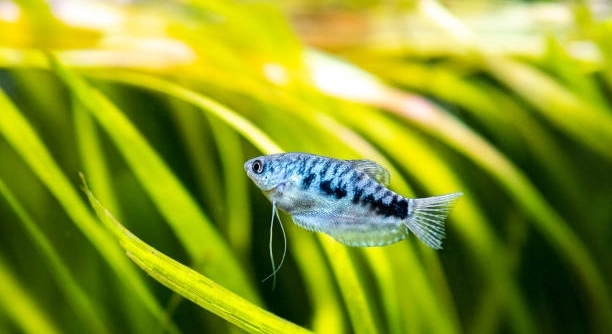
Gouramis are popular aquarium fish known for their calm behavior and interesting interactions with their environment. When their tank layout changes, their responses can vary depending on how drastic the rearrangement is. Understanding their reactions helps create a better home for these fish.
Gouramis typically show stress and territorial behaviors when their tanks are rearranged abruptly. They may explore new territories cautiously or display increased aggression to reestablish dominance. Gradual changes and familiar hiding spots help reduce their stress and support normal behavior.
Knowing how gouramis react to tank changes is essential for maintaining a healthy aquarium environment. This article will explain their responses and offer practical advice for smooth transitions.
How Gouramis React Immediately After Tank Rearrangement
When gouramis experience a sudden change in their tank, they often become unsettled. The first reaction is usually increased swimming activity as they explore the new layout. This behavior is their way of trying to understand the new environment. At the same time, you may notice some hiding or less movement as they process the change. Gouramis rely on stable surroundings to feel safe, so unexpected changes can lead to stress. This stress may show through color fading or occasional quick darting. It is important to give them time to adapt without adding further disturbances. Slowly, they will start to claim new territories or rearranged hiding spots as their own. Over time, their normal calm behavior usually returns if the changes are not too drastic. Keeping consistent lighting and water conditions during this period also supports their adjustment.
This adjustment phase can last from a few hours to several days, depending on the gourami and the extent of the rearrangement.
Patience during this time is essential, as pushing the gouramis too soon into interaction or feeding can increase stress and delay settling.
Strategies to Minimize Stress When Rearranging Gourami Tanks
One effective method to reduce stress is to make gradual changes instead of all at once. For example, rearrange decorations or plants in stages, allowing the fish to get used to each new setup before continuing. Keeping some familiar objects in place helps gouramis maintain a sense of security. Another useful approach is to provide plenty of hiding spaces, like caves or dense plants, so gouramis can retreat when feeling anxious. During and after rearrangement, avoid tapping on the glass or sudden movements around the tank. Keeping feeding times consistent also helps create a routine the fish can rely on despite changes. If possible, rearrange the tank during a quiet time when household activity is low. By combining these strategies, you help your gouramis adjust more smoothly to their new environment, keeping their stress low and promoting healthy behavior.
Stress can be reduced significantly by slow changes and maintaining familiar elements in the tank.
Allowing gouramis to explore safely and retreat to hiding spots supports their emotional well-being.
Signs That Gouramis Are Adjusting to New Tank Layouts
Gouramis show several signs when they begin to accept a rearranged tank. They start exploring calmly, return to regular swimming patterns, and use hiding spots more naturally. Their colors brighten as stress fades, and they resume normal feeding habits.
Once gouramis settle, their behavior becomes predictable again. They swim confidently through the tank, often patrolling territories they claim as their own. Aggression decreases, replaced by gentle interactions if multiple gouramis are present. Bright colors indicate better health and lower stress levels. You may notice them resting more and reacting less to sudden movements around the tank. Feeding becomes enthusiastic, which shows comfort in their environment. Regular activity patterns return, including interactions with plants or tank decorations they prefer. These changes suggest that gouramis have adapted to their new surroundings.
It’s important to watch for these signs so you can know when your gouramis feel secure again. This lets you maintain their habitat appropriately and avoid unnecessary changes that might cause fresh stress. Each gourami may take a slightly different time to adjust, so patience remains key.
Feeding Behavior Changes During Tank Rearrangement
Stress from rearranging the tank can cause gouramis to eat less or stop feeding temporarily. This reaction is common and usually short-lived if the environment is stable otherwise. Feeding patterns return once the fish feel more comfortable.
During the adjustment period, offering smaller meals more frequently can encourage gouramis to eat. Use familiar foods and avoid introducing new diet items until feeding stabilizes. Observe their interest carefully; reduced appetite is normal but prolonged refusal to eat requires checking water conditions and stress factors. Feeding at the same time each day helps establish routine and comfort.
Once the gouramis settle, their appetite typically improves, and feeding returns to normal or even increases. Maintaining a calm environment during feeding supports this recovery. Overfeeding should be avoided as it can harm water quality, which would add stress. By paying attention to these feeding behavior changes, you help your gouramis remain healthy throughout tank rearrangements.
Environmental Factors That Influence Gourami Adjustment
Water quality plays a major role in how well gouramis adapt after tank changes. Stable parameters ease stress and support quicker adjustment.
Lighting and noise levels also affect their comfort. Keeping these consistent helps gouramis feel secure in their rearranged environment.
Importance of Hiding Spots in a Rearranged Tank
Hiding spots are crucial during and after rearranging a gourami tank. They offer a safe place for the fish to retreat when feeling uncertain or stressed. Dense plants, caves, or decorations create these refuges, helping gouramis regain confidence and feel protected from perceived threats.
When to Consider Reverting Tank Changes
If gouramis show prolonged signs of stress or aggression, it may be necessary to undo some rearrangements. Returning some elements to their original position can restore a sense of familiarity. Monitoring their behavior closely after changes helps decide if this step is needed to maintain their well-being.
FAQ
How long does it take for gouramis to adjust after rearranging their tank?
Adjustment times vary depending on the individual fish and how big the change is. Generally, gouramis start showing signs of settling within a few days but can take up to two weeks to fully adapt. Gradual rearrangements help shorten this period.
Why do gouramis hide more after rearranging the tank?
Hiding is a natural response to stress and uncertainty. When their environment changes, gouramis seek safe spots to feel protected. This behavior decreases as they become comfortable with the new setup. Providing plenty of hiding places speeds up this process.
Is it normal for gouramis to become aggressive after tank changes?
Yes, increased aggression can occur as gouramis reestablish territories and social order. This behavior usually reduces once the fish adjust. Keeping enough space and hiding areas helps minimize conflict during this time.
Should I feed my gouramis differently after rearranging the tank?
Feeding smaller amounts more often is recommended until gouramis regain their appetite. Stick to their regular diet and avoid introducing new foods. Maintaining a feeding schedule helps create stability amid the changes.
Can water quality affect how gouramis respond to tank rearrangement?
Absolutely. Poor water quality adds stress and delays adjustment. Ensure parameters like temperature, pH, and ammonia levels stay stable before and after rearranging. Regular testing supports their health during transitions.
What if my gouramis don’t seem to adjust at all?
If stress signs persist beyond two weeks, reevaluate the tank environment. Check for water issues, overcrowding, or excessive noise. Consider reversing some changes to restore familiarity and reduce stress.
Are there ways to prepare gouramis before rearranging the tank?
Yes. Gradual introduction of new decorations outside the tank or rearranging in small steps helps. Minimizing sudden changes and maintaining consistent lighting and feeding routines also supports a smoother transition.
How do I know if my gouramis are stressed from tank changes?
Look for fading colors, erratic swimming, hiding excessively, or loss of appetite. These signs indicate stress. Providing quiet surroundings and hiding places aids recovery.
Can rearranging the tank improve gourami behavior?
Sometimes, yes. Rearranging can reduce boredom and stimulate natural exploration. It may also decrease aggression if new territories are better defined. However, changes should be gentle to avoid overwhelming the fish.
Is it better to rearrange the tank gradually or all at once?
Gradual rearrangement is better. It allows gouramis to adapt step by step, reducing stress. All-at-once changes can cause shock and prolonged adjustment periods. Taking time benefits their overall well-being.
Final Thoughts
Rearranging a gourami tank can be a helpful way to refresh their environment, but it requires careful attention to how the fish respond. Gouramis are sensitive to changes and may show stress through behaviors like hiding, color fading, or reduced appetite. Understanding these reactions helps you provide the right care during the transition. Being patient and gentle with the rearrangement process allows the fish to feel safe and gradually accept their new surroundings.
Keeping water quality stable is one of the most important factors during any change. Even minor fluctuations in temperature, pH, or ammonia levels can add to the stress caused by the new tank layout. Maintaining familiar feeding schedules and providing plenty of hiding spots are also key steps. These practices create a sense of normalcy that gouramis rely on, helping them settle more quickly. Small, slow changes are usually more effective than big, sudden ones.
In the end, every gourami is unique, and their adjustment times will vary. Watching their behavior closely lets you know when to make changes or offer extra care. If stress signs last too long, consider returning parts of the tank to their original setup. By balancing the need for a fresh environment with the fish’s comfort, you support their health and happiness. Keeping these points in mind helps make any rearrangement a positive experience for both the gouramis and their owner.

Hello,
If you enjoy the content that we create, please consider saying a "Thank You!" by leaving a tip.
Every little bit helps us continue crafting quality advice that supports the health, happiness, and well-being of pets around the world, for pets of all shapes, sizes, and species.
We really appreciate the kindness and support that you show us!