
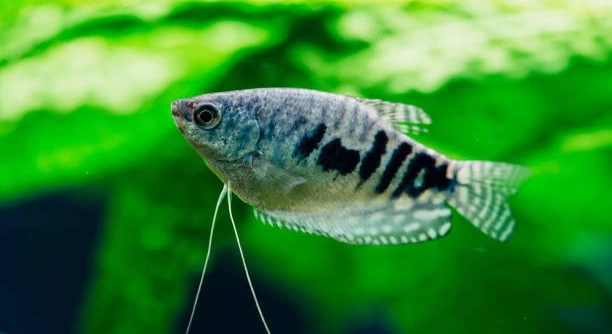
Gouramis are known for their vibrant colors and unique behaviors, especially during mating season. Observing these fish can reveal distinct signs when they begin claiming a mate. Recognizing these behaviors helps understand their social interactions better.
Gouramis display specific behaviors to claim a mate, such as building bubble nests, increased territorial aggression, and vibrant color changes. These actions serve reproductive and protective purposes, ensuring successful mating and guarding the chosen partner from rivals.
Identifying these signs will improve your ability to care for gouramis and support their natural instincts in a home aquarium setting. Understanding their behavior fosters a healthier environment for these fascinating fish.
Bubble Nest Building
Bubble nest building is one of the clearest signs a male gourami is ready to claim a mate. The male creates a cluster of bubbles on the water surface by blowing air bubbles coated with saliva. This nest acts as a safe place for the eggs after spawning. The size and density of the nest can indicate how serious the male is about attracting a female. He may spend hours carefully maintaining and adding to the nest. This behavior often starts shortly before courtship and continues until the eggs hatch. Watching a male gourami build a bubble nest is an interesting display of natural instinct and care for offspring. The nest also provides shelter for fry during their most vulnerable early days.
This nesting behavior is mainly seen in male gouramis and is a reliable signal of mating readiness.
Maintaining stable water conditions supports bubble nest building. Fluctuations in temperature or water quality can interrupt the process. Providing plenty of floating plants can give the male better anchor points for the nest. Avoid strong water currents, as these can break the bubbles apart. Observation during this time will also help identify other mating behaviors. Ensuring a calm environment allows the male to focus on nest building and increases the chances of successful breeding.
Color Changes
Male gouramis often display brighter and more intense colors when trying to attract a mate. This change can include deepening of blues, reds, or oranges depending on the species. The vibrant colors serve as a visual signal to females and other males in the area. It can also indicate the health and vitality of the male. These color changes usually occur alongside other mating behaviors like nest building or chasing rivals. Not all gouramis show the same degree of color change, but it is a common trait among many types.
Bright colors help males stand out in the tank and assert dominance during breeding season.
Color changes are linked to hormonal shifts triggered by reproductive instincts. Stress or poor water conditions can dull colors, reducing their effectiveness in attracting mates. Providing a balanced diet rich in nutrients supports vibrant coloration. Avoid overcrowding, as competition and stress can suppress these natural signals. Monitoring color intensity alongside other behaviors gives a clearer picture of a male’s mating status. Maintaining a healthy environment maximizes the expression of these visual cues. This enhances the chances of pairing and successful spawning.
Territorial Behavior
Male gouramis become noticeably territorial when claiming a mate. They patrol and defend a specific area in the tank, chasing away other males or fish that come too close. This behavior helps secure the space needed for nesting and mating.
Territorial displays can include flaring fins, rapid swimming, and sometimes gentle biting. The male focuses on protecting his bubble nest and the chosen female. This territoriality ensures minimal disturbance during the breeding process. It also signals to other males to stay away, reducing conflicts.
Territorial behavior can sometimes cause stress among tank mates if space is limited. Providing enough room and hiding spots can reduce aggression. Observing these interactions helps manage the tank’s social dynamics effectively, ensuring all fish remain healthy.
Chasing and Courtship Movements
Chasing is a common behavior during courtship. The male actively follows the female around the tank, often with quick darting movements. This is part of his effort to encourage her to the bubble nest.
Courtship movements also include gentle nudges and circling the female. These actions help the male demonstrate his interest and readiness to mate. The female’s response varies, sometimes showing acceptance by staying close or rejection by swimming away. Understanding these cues helps monitor the breeding process.
These behaviors can become more frequent and intense during peak mating periods. Keeping the tank environment calm supports natural interactions. Excessive stress or disturbance may disrupt courtship and delay spawning. Observing these movements provides insight into the gouramis’ reproductive cycle. It also helps identify the best time to separate fry or provide additional care after spawning.
Fin Flaring
Fin flaring is a clear sign a gourami is asserting dominance during mating. The male spreads his fins wide to appear larger and more impressive. This display is meant to attract the female and warn off rivals.
This behavior often accompanies other mating signs such as chasing or nest building. Fin flaring highlights the male’s strength and readiness to protect his territory.
Increased Activity
During mating periods, gouramis become noticeably more active. They swim energetically around the tank, frequently moving between different areas. This heightened activity supports nest building, territorial defense, and courtship displays.
Increased movement can sometimes be mistaken for stress but is normal during this phase. Monitoring activity levels helps identify breeding readiness and overall health.
Guarding Behavior
Male gouramis guard their nests and mates closely. After spawning, the male stays near the bubble nest to protect the eggs from threats. This guarding continues until the fry hatch and become free-swimming.
This protective instinct ensures higher survival rates for the offspring. The male’s focus on guarding is a strong indicator of mating success.
How can I tell if my gourami is ready to mate?
A male gourami ready to mate will show several behaviors. He will build a bubble nest on the water surface and maintain it carefully. You may notice brighter colors and increased activity. Territorial behavior like chasing other fish and flaring fins is common. These signs together indicate mating readiness, especially if a female is nearby.
What is the purpose of the bubble nest?
The bubble nest serves as a protective area for the eggs and later the fry. The male creates the nest by blowing bubbles coated with saliva, which helps them stick together. This floating nest keeps the eggs near the surface, providing oxygen and shelter from predators or tank disturbances until the fry hatch.
Do female gouramis show any mating behavior?
Female gouramis are usually less aggressive during mating. They may follow the male around the tank and stay close to the bubble nest once spawning begins. Their movements often indicate acceptance or rejection of the male’s courtship. Unlike males, females do not build nests or defend territory.
How long does the mating process last?
The active mating phase, including nest building and courtship, can last several days. After spawning, the male continues to guard the nest until the eggs hatch, usually within 24 to 36 hours. The male may guard the fry for several more days until they become free-swimming and less vulnerable.
Can I keep multiple male gouramis together during breeding?
It is not recommended to keep multiple males in a confined tank during breeding. Territorial disputes and aggressive behavior increase significantly, stressing the fish and reducing breeding success. Providing ample space or separating males can help avoid these issues and protect the bubble nest.
What tank conditions support successful breeding?
Stable water temperature between 78–82°F (25–28°C) encourages breeding. Clean, well-filtered water with low current is ideal since strong currents can damage bubble nests. Floating plants or tank covers provide secure places for nest attachment. A balanced diet rich in protein also promotes health and breeding readiness.
How should I care for the fry after hatching?
Once the fry become free-swimming, they need small, frequent feedings such as infusoria or specialized fry food. Keeping the water clean is crucial, so gentle filtration and regular water changes are necessary. Separating the fry from adult fish prevents accidental predation.
What signs indicate unsuccessful breeding?
If the bubble nest breaks down or the male loses interest in maintaining it, this could signal stress or poor tank conditions. Eggs that turn white or disappear quickly might be infertile or eaten by other fish. Lack of courtship behaviors or aggression from tank mates can also interfere with successful breeding.
Final thoughts on gouramis claiming a mate focus on understanding their natural behaviors and creating an environment that supports these instincts. Recognizing signs like bubble nest building, color changes, and territorial actions helps identify when a male gourami is ready to mate. Each of these behaviors plays an important role in the breeding process and reflects the fish’s health and comfort level in the tank. Observing these actions without interference allows the gouramis to express their instincts naturally.
Providing the right tank conditions is essential for successful mating. Stable water temperature, clean water, and minimal disturbances contribute to an environment where gouramis feel safe to perform their mating rituals. Adding floating plants or other surfaces for bubble nests encourages nest building and offers protection for the eggs. Space is also important; overcrowding can increase stress and reduce the chances of successful breeding. Careful management of these factors improves not only the mating process but also the overall well-being of the fish.
After mating, attention shifts to protecting and caring for the eggs and fry. Male gouramis play a key role in guarding the bubble nest until the eggs hatch and the fry grow strong enough to swim freely. Ensuring the fry have proper nutrition and clean water supports healthy development. Knowing the typical behaviors of gouramis during mating and early breeding stages helps fishkeepers provide better care and anticipate the needs of their aquatic pets. Observing these natural patterns leads to a more rewarding experience in keeping and breeding gouramis.

Hello,
If you enjoy the content that we create, please consider saying a "Thank You!" by leaving a tip.
Every little bit helps us continue crafting quality advice that supports the health, happiness, and well-being of pets around the world, for pets of all shapes, sizes, and species.
We really appreciate the kindness and support that you show us!