
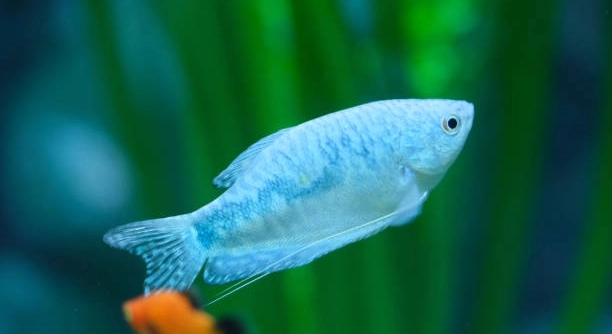
Gouramis are popular freshwater fish known for their vibrant colors and calm nature. Many fish enthusiasts enjoy keeping them in home aquariums for their beauty and peaceful behavior. Training fish is an emerging interest among hobbyists wanting more interaction with their pets.
Gouramis can be trained using clicker training methods, though it requires patience and consistency. The process involves associating a clicking sound with food rewards, encouraging specific behaviors over time. Success depends on the individual fish’s temperament and the trainer’s dedication.
Exploring clicker training with gouramis opens new ways to engage with these aquatic pets. This article will guide you through the steps and considerations for effective training.
Understanding Clicker Training for Fish
Clicker training is a method based on positive reinforcement. It uses a distinct sound—a click—to mark a desired behavior, followed immediately by a reward, usually food. Fish learn to associate the click with a treat, encouraging them to repeat the action. This approach has been widely used with mammals and birds, and it can be adapted for fish like gouramis. The key is timing: the click must occur exactly when the fish performs the target behavior, so it understands what is being rewarded. With regular sessions, the fish begins to recognize the click and responds more reliably. Training sessions should be short and consistent to avoid stressing the fish. It’s important to use small, easily digestible treats to keep the fish motivated without overfeeding. Gouramis, known for their curiosity and intelligence among fish, often respond well to this form of interaction when handled patiently.
Clicker training requires regular practice and patience to see consistent results. Repetition is essential.
This method strengthens the bond between the keeper and the fish while providing mental stimulation for the gourami. Over time, trainers may teach the fish simple behaviors like following a finger, swimming through hoops, or coming to a specific spot. These trained behaviors enhance aquarium interaction and make maintenance easier. For example, a trained gourami may come to feed on command, reducing feeding waste and encouraging a healthier routine. Overall, clicker training is a practical and rewarding way to engage with gouramis beyond standard aquarium care.
Tips for Successful Gourami Clicker Training
Start with a quiet environment free from distractions. Use a consistent click sound.
Patience is critical. Some gouramis may take weeks to learn basic commands, so short, daily sessions work best. Avoid forcing the fish, as stress hinders learning. Observe the fish’s mood and energy level, and end sessions before it loses interest. Using small portions of favorite foods, such as bloodworms or brine shrimp, keeps motivation high. Make sure the clicker is loud enough to be heard clearly underwater. Consistency in timing the click and reward helps the fish connect the behavior to the positive outcome.
Tracking progress can help adjust techniques and improve results. Keeping training sessions brief and enjoyable supports long-term success with gouramis.
Common Challenges in Gourami Clicker Training
Fish have short attention spans, making training sessions easily disrupted. Gouramis may ignore the click or food if distracted. Environmental factors like tank noise or other fish can interfere. Patience and observation are needed to overcome these issues.
One challenge is timing the click precisely as the fish performs the behavior. Missing this moment can confuse the gourami, slowing progress. Another difficulty is keeping the fish motivated without overfeeding, which risks health problems. Adjusting treat size and frequency helps maintain interest. Stress can also hinder learning; if the fish appears restless or hides, it’s best to pause training until it calms down.
Another common issue is inconsistent responses from the gourami. Sometimes the fish performs the behavior but ignores the click or treat. This inconsistency requires more repetition and shorter sessions to reinforce the link. Trainers should be flexible and patient, adapting to the fish’s mood and energy to improve results.
Equipment Needed for Effective Training
A simple clicker and small, healthy treats are essential. Use a waterproof clicker or a device producing a clear, consistent sound. Choose treats like bloodworms or finely crushed flakes to reward the gourami without overfeeding.
A quiet environment minimizes distractions during training sessions. Using a small tank or a training container can help focus the fish. A timer or stopwatch ensures sessions remain brief, around five minutes, to prevent stress. Keeping a log of training progress supports consistent improvement. Simple tools create a better learning atmosphere and boost training success.
Ideal Training Environment
A calm, quiet tank helps gouramis focus during training. Avoid sudden movements or loud noises nearby.
Consistent lighting and minimal distractions improve the fish’s ability to associate the click with the reward. Clear water also supports better visibility for both trainer and fish.
Signs Your Gourami is Ready to Train
When a gourami shows interest in food and approaches the trainer, it is ready for clicker training. Consistent feeding behavior signals motivation.
Look for natural curiosity and responsiveness to sounds. These signs indicate the fish is alert and open to learning new behaviors.
Setting Realistic Expectations
Training gouramis takes time; rapid progress is uncommon. Each fish learns at its own pace.
Daily, short sessions yield better results than long, infrequent training. Patience and gentle repetition are essential for success.
Avoiding Common Mistakes
Do not overfeed during training; this can harm the fish. Maintain small treat portions.
FAQ
Can all types of gourami be clicker trained?
Most gourami species can respond to clicker training, but success varies by individual fish. Larger gouramis, like the pearl gourami or kissing gourami, often show better learning abilities. Smaller or shy species may take longer or require more gentle approaches.
Each fish has a unique temperament that affects its response to training. Some gouramis are naturally more curious and motivated by food, which helps them learn faster. Others may be less responsive, requiring more patience and shorter sessions. Observing your gourami’s behavior and adjusting techniques is important for effective training.
In general, gouramis are among the more trainable freshwater fish, but trainers should manage expectations based on species and personality.
How often should training sessions be held?
Short, frequent sessions work best for gouramis. Ideally, train five to seven days a week, with each session lasting about five minutes.
Daily practice keeps the fish engaged without causing stress or boredom. Longer sessions can tire the fish and reduce interest. Consistency helps reinforce the behavior and strengthens the association between the click and the reward.
If the fish shows signs of stress or disinterest, it’s better to pause and resume later. Maintaining a positive, stress-free environment is crucial for training success.
What kind of treats work best for gouramis?
Small, protein-rich treats like bloodworms, brine shrimp, and daphnia are excellent choices. These are easy to digest and highly motivating.
Avoid overfeeding with flakes or pellets during training to keep the fish interested in the treats. Crushing flakes into tiny pieces can help if live or frozen foods are not available.
Fresh or frozen treats should be thawed and rinsed to avoid polluting the tank. Use only small amounts to prevent water quality issues and maintain the fish’s health.
What if my gourami doesn’t respond to the clicker?
If your gourami ignores the click, check the timing of the click relative to its behavior. The click must happen exactly when the desired action occurs.
Also, ensure the sound is audible underwater. Some clickers may need to be louder or replaced with a different device producing a clearer tone.
Try different rewards to find what motivates your gourami most. Patience is key; it can take days or weeks before the fish connects the sound with the treat. Avoid forcing the fish, as this can cause stress and resistance.
Can clicker training improve my gourami’s health?
Training provides mental stimulation, which reduces boredom and stress in aquarium fish. Mentally active fish tend to be healthier and more resilient.
Encouraging movement during training sessions helps maintain physical fitness. Feeding on command can prevent overfeeding and improve diet control.
However, clicker training should complement, not replace, proper tank maintenance, diet, and water quality management for overall health.
Is it necessary to use a clicker, or can other signals work?
A clicker is effective because it produces a consistent, sharp sound that fish can learn to recognize. However, other consistent sounds or visual signals can also be used.
The important part is to use the same signal every time immediately followed by a reward. Some trainers use tapping on the tank or a specific light flash.
Using an inconsistent or variable signal may confuse the fish and slow progress. Consistency and timing are more important than the type of signal.
How long does it take to train a gourami?
Training duration varies widely depending on the fish’s temperament, the behavior being taught, and the trainer’s consistency. Basic behaviors can take from several days to a few weeks.
More complex tricks require longer periods and more repetitions. Regular, short training sessions tend to produce the best results.
Expect gradual progress and celebrate small improvements. Rushing the process often leads to frustration for both trainer and fish.
Can clicker training reduce aggressive behavior in gouramis?
Clicker training itself does not directly change aggression but may help by providing mental stimulation and increasing positive interaction with the keeper.
Engaging the fish in training sessions can reduce boredom-related aggression. However, environmental factors like tank size, tank mates, and water conditions have a bigger impact on behavior.
Proper tank management combined with training can support calmer, more balanced gouramis.
What if my gourami forgets the behavior?
Like all animals, gouramis can forget trained behaviors if not practiced regularly. To maintain learned behaviors, continue occasional training sessions after the initial learning phase.
If a fish seems to forget, resume more frequent training to reinforce the behavior. Maintaining consistency over time helps keep the behavior reliable.
Occasional refresher sessions prevent loss of training and keep the fish mentally engaged.
Are there any risks to clicker training gouramis?
When done properly, clicker training poses minimal risk. The main concerns are overfeeding and stress from overly long sessions.
Keeping training sessions short and treats small helps avoid health issues. Watching the fish for signs of stress ensures the process remains positive.
Training should always prioritize the fish’s well-being and be stopped if negative reactions occur.
Final thoughts on clicker training gouramis highlight the importance of patience and consistency. This method requires time, effort, and careful observation. Gouramis can learn to associate the click sound with a reward, but the process is gradual. Not all fish will respond the same way, so adapting your approach to the individual gourami’s behavior and mood is essential. Training sessions should remain short and frequent to maintain the fish’s interest and avoid causing stress. Overfeeding must be avoided by using small treats to keep the fish motivated and healthy.
Clicker training offers more than just fun tricks; it also provides mental stimulation for the gourami. Fish kept in simple, unchanging environments can become bored, which might affect their health and behavior. Introducing training can help enrich their daily life and encourage natural curiosity. However, clicker training should not replace proper tank care, diet, and water quality management. These remain the foundation of a healthy, thriving gourami. The training process is best viewed as a supplement that enhances the fish’s overall well-being.
Ultimately, success in clicker training gouramis depends on clear communication and positive reinforcement. The sound of the click must consistently signal a reward, helping the fish learn desired behaviors. While results vary, regular practice can build a stronger bond between keeper and fish. This method promotes a calm, attentive fish that enjoys interaction. It is important to set realistic expectations and be prepared for gradual progress. With careful effort, clicker training can be a rewarding experience for both the gourami and the trainer.

Hello,
If you enjoy the content that we create, please consider saying a "Thank You!" by leaving a tip.
Every little bit helps us continue crafting quality advice that supports the health, happiness, and well-being of pets around the world, for pets of all shapes, sizes, and species.
We really appreciate the kindness and support that you show us!