
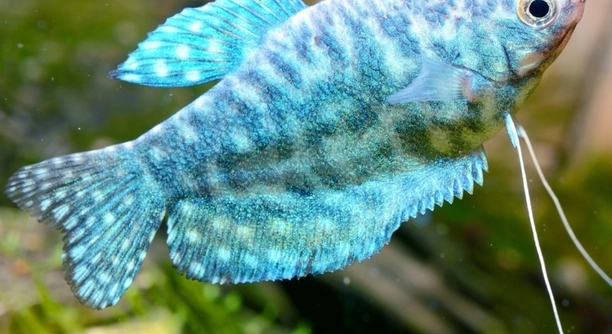
Gouramis are popular freshwater fish kept in home aquariums. Sometimes, they swim in place, which can catch the attention of fishkeepers. Understanding why they behave this way can help ensure their health and comfort in the tank.
Gouramis swimming in place usually indicate stress, discomfort, or environmental issues. These can include poor water quality, lack of space, illness, or the need for stimulation. Identifying the exact cause is important for maintaining their well-being.
Knowing these reasons can help you create a better environment for your gourami. It’s important to pay attention to their behavior to keep them healthy and happy over time.
Stress and Anxiety in Gouramis
When gouramis swim in place, stress is often a key factor. Changes in the tank, such as new fish, loud noises, or sudden movements, can make them uneasy. Stress affects their natural behavior and health. In crowded tanks, gouramis might feel threatened or compete for space, leading to this motionless swimming. Stress can also lower their immune system, making them more vulnerable to illness. It’s important to create a calm environment and avoid sudden disruptions. Consistent water conditions and regular feeding schedules help reduce stress. Observing your gourami’s behavior daily can alert you to any changes that may need attention. Stress isn’t always obvious, but swimming in place is a subtle sign. Keeping the tank peaceful and stable encourages more natural and relaxed activity from your fish.
Fish need a quiet, stable environment to feel secure. Reducing stress improves their overall health and activity levels.
Recognizing stress early can prevent further problems. Adjusting the tank setup, reducing overcrowding, and avoiding loud noises often helps. Using plants or decorations for hiding spots gives gouramis places to retreat. A stress-free fish is more likely to swim actively and show its natural colors. Your attention to their environment plays a big role in their well-being. Monitoring water temperature and quality also supports a low-stress habitat. Small changes in routine or tank conditions can have a big impact on how your gouramis behave.
Water Quality Issues
Poor water quality is one of the most common reasons gouramis swim in place. If the water contains high levels of ammonia, nitrites, or nitrates, it can irritate their gills and cause discomfort. Dirty water can reduce oxygen levels, making it hard for them to breathe. Even if the water looks clean, chemical imbalances might still exist. Regular testing and water changes are essential. Gouramis are sensitive to fluctuations in pH and temperature, so keeping these stable is critical. Neglecting water maintenance can lead to long-term health issues, including swimming difficulties. Ensuring a clean tank with proper filtration helps keep your gouramis active and healthy.
Testing water regularly prevents toxic build-up that harms fish. Clean, balanced water encourages natural swimming behavior.
Maintaining water quality requires consistent effort. Frequent partial water changes remove harmful chemicals and waste. Using a reliable filter keeps the environment stable. Be mindful of overfeeding, which can pollute the water quickly. Avoid sudden temperature shifts by keeping the tank away from drafts or direct sunlight. Using water conditioners can remove chlorine and other harmful substances. All these steps create a comfortable habitat, reducing stress and supporting proper movement. When water quality is good, gouramis swim more confidently and interact with their surroundings. Proper water care is the foundation of a healthy aquarium and happy fish.
Lack of Stimulation
Gouramis need mental and physical stimulation to stay active. Without enough interaction or enrichment, they may swim in place out of boredom or frustration.
A bare or overly simple tank can cause gouramis to lose interest in exploring. Adding plants, decorations, and hiding spots provides variety and encourages natural behaviors like foraging and exploring. Interaction with other compatible fish can also help keep them engaged. Stimulation is important for their mental health, just like with any pet. If their environment is dull, swimming in place might be a sign they need more activity or challenge.
Changing the tank layout occasionally can renew their curiosity. Feeding varied foods also adds excitement. Keeping gouramis stimulated promotes healthier, more lively fish who display their true colors and natural behavior.
Illness or Injury
If gouramis swim in place and seem lethargic or off-balance, illness or injury might be involved. This behavior can signal internal issues or damage affecting movement. Early signs of illness include loss of appetite, faded colors, or clamped fins. Swim bladder problems, parasites, or infections can all cause swimming difficulties. Observing your fish closely helps catch health issues before they worsen.
Injuries from sharp objects, aggressive tank mates, or rough handling may cause pain and restrict movement. Isolating the affected gourami and maintaining excellent water quality supports healing. Consulting a vet or experienced aquarist can provide proper treatment advice. Early intervention improves recovery chances and prevents more serious complications.
Keeping the tank clean and monitoring fish behavior regularly helps detect health problems early. Timely care is essential for your gouramis’ well-being and comfort.
Poor Tank Conditions
Poor tank conditions can make gouramis uncomfortable, leading to unusual behavior like swimming in place. Overcrowding, insufficient filtration, or incorrect tank size all contribute to this issue. Gouramis need enough room to swim freely and clean, well-oxygenated water to thrive.
Regular maintenance and proper stocking levels help prevent poor conditions. A cramped or dirty tank causes stress and limits natural movement, so keeping the environment healthy is key to active fish.
Temperature Fluctuations
Gouramis are sensitive to changes in water temperature. Sudden drops or spikes can cause them to become sluggish or swim in place as they try to adjust. Maintaining a stable temperature between 74-82°F (23-28°C) is ideal.
Using a reliable heater and thermometer helps keep the water consistent. Avoid placing the tank near windows, vents, or heaters to prevent temperature swings. Stable temperatures support your gouramis’ health and encourage normal swimming behavior.
Lack of Oxygen
Oxygen levels in the water affect how well gouramis can breathe. Low oxygen can cause them to hover in one spot, often near the surface where oxygen is higher. Poor aeration or overstocking reduces available oxygen.
Adding air stones or improving filtration can increase oxygen. Good water circulation ensures your gouramis stay active and comfortable.
Territorial Behavior
Gouramis can be territorial, especially males. Swimming in place might be a way to guard their space or display dominance. This behavior is more common when tank mates are nearby or space is limited.
Why does my gourami swim in place for a long time?
Swimming in place for extended periods usually points to stress, illness, or environmental problems. Gouramis might feel unsafe or uncomfortable due to water quality, temperature, or tank setup. Sometimes, boredom or lack of stimulation causes this behavior. Observing other signs like changes in appetite or color can help determine if it’s health-related. Checking water parameters and tank conditions is a good first step to fix the problem.
Is swimming in place a sign of sickness in gouramis?
Yes, it can be. When gouramis are sick, they often swim slowly or stay still to conserve energy. Swim bladder issues, infections, or parasites may cause balance problems, making them hover in one spot. Other symptoms include clamped fins, faded colors, or labored breathing. If you notice these signs, isolating the fish and improving water quality is important. Seeking advice from an aquatic specialist may be necessary for proper treatment.
Can poor water quality cause this behavior?
Absolutely. Poor water quality stresses gouramis and affects their gills, making swimming difficult. High ammonia, nitrite, or nitrate levels irritate the fish and reduce oxygen availability. Dirty tanks with buildup of waste create an unhealthy environment. Regular water testing and partial water changes help keep water parameters safe and stable, encouraging healthy, active swimming.
How often should I change my gourami’s tank water?
A good rule is to change 20-30% of the water weekly. This helps remove toxins and replenish minerals, keeping the environment clean. Overfeeding or overcrowding can require more frequent changes. Use a water conditioner to remove chlorine from tap water. Consistent maintenance supports your gouramis’ health and reduces strange behaviors like swimming in place.
Could temperature affect how my gourami swims?
Yes, temperature plays a big role. Gouramis prefer water between 74°F and 82°F (23°C to 28°C). If the water is too cold or too warm, their metabolism slows or speeds up, causing unusual movements. Sudden temperature changes also cause stress and discomfort. Using a reliable heater and thermometer ensures a steady environment, promoting normal swimming.
What tank setup helps prevent swimming in place?
A spacious tank with plenty of hiding spots and plants encourages natural behavior. Gouramis like calm water, so avoid strong currents. A proper filter and aeration system keep water clean and oxygen-rich. Avoid overcrowding to reduce stress and territorial disputes. Regularly changing tank layout can provide stimulation and reduce boredom.
Can tank mates cause my gourami to swim in place?
Yes, aggressive or overly active fish can intimidate gouramis, causing them to freeze or hover in place. Territorial conflicts also lead to this behavior, especially among males. Choosing peaceful, compatible tank mates and providing enough space can reduce stress and encourage healthy movement.
Is it normal for gouramis to rest while swimming in place?
Sometimes. Gouramis may pause to rest or observe their environment. However, if this behavior is frequent and long-lasting, it could signal discomfort or health issues. Watching for other symptoms helps decide if action is needed.
How can I help a gourami that swims in place due to boredom?
Introduce plants, decorations, or floating objects for enrichment. Changing the tank’s setup occasionally keeps things interesting. Offering varied food and safe companions can provide mental and physical stimulation. A stimulated gourami is more likely to swim actively and appear healthy.
When should I consult a vet or expert about my gourami’s swimming?
If your gourami shows continuous swimming in place along with signs like loss of appetite, color changes, fin damage, or labored breathing, it’s time to seek professional help. Early diagnosis and treatment improve recovery chances and prevent worsening health. Regular tank maintenance and close observation can often prevent these issues from becoming serious.
Understanding why your gourami might swim in place is important for keeping it healthy. This behavior often signals something in the environment or the fish’s health that needs attention. Whether it’s stress, poor water quality, boredom, or illness, each reason requires careful observation and action. Paying attention to small changes in behavior can help prevent bigger problems before they develop.
Creating a stable and comfortable home for your gourami is key. Maintaining clean water, stable temperature, and proper tank size will make a big difference in how your fish behaves. Adding plants and decorations also helps keep them mentally active. Providing a peaceful environment with compatible tank mates reduces stress and supports natural behavior. Simple steps like regular water testing and feeding the right food can improve your gourami’s quality of life.
Remember, swimming in place is a signal, not just a habit. It shows that something might be wrong or missing in their environment. By addressing these needs, you give your gourami a better chance to thrive and show its natural behavior. Taking time to understand and care for your fish will lead to a happier and healthier aquarium overall.

Hello,
If you enjoy the content that we create, please consider saying a "Thank You!" by leaving a tip.
Every little bit helps us continue crafting quality advice that supports the health, happiness, and well-being of pets around the world, for pets of all shapes, sizes, and species.
We really appreciate the kindness and support that you show us!