
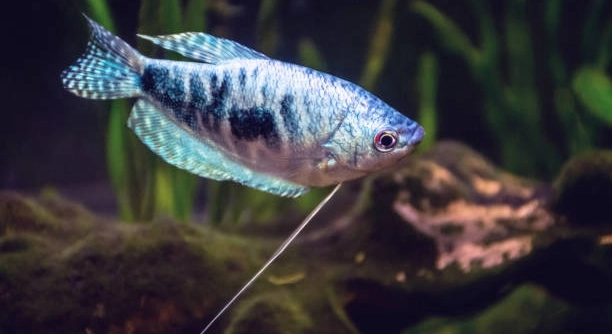
Do your gouramis sometimes dart away or hide when the light comes on in their tank, leaving you feeling confused?
Gouramis might avoid light due to stress, poor tank conditions, or natural behavior influenced by their environment. Bright lights can trigger discomfort, especially if the tank lacks hiding spots or has inconsistent lighting routines.
Light plays an important role in how gouramis behave. Knowing why they react this way can help you adjust their setup and improve their comfort.
1. Bright Light Can Stress Them Out
Gouramis are used to calm, shaded waters in the wild, often surrounded by plants and soft, diffused light. When they’re exposed to sudden or intense lighting, it can feel unnatural and overwhelming. This stress may lead them to hide behind decorations or in corners of the tank. Constant stress from lighting can even affect their appetite and health over time. Sudden changes, such as switching on a bright light in a dark room, can startle them. It’s best to use a dimmer or soft lighting that mimics natural sunrise and sunset cycles. Gradual transitions between light and dark help gouramis feel safe and relaxed. Adding floating plants or shaded areas in the tank gives them a choice to avoid direct exposure when they need it. By respecting their sensitivity to light, you create a safer and more natural space where your gouramis can thrive comfortably.
Lighting too strong or harsh will often make gouramis skittish and withdrawn.
Creating a balance between light and shadow encourages natural behavior. Gouramis need time to adapt, and a steady routine helps. They feel safer when their tank lighting mimics conditions similar to their natural habitats. Floating plants also offer good coverage.
2. Lack of Hiding Spots
Without enough hiding spaces, gouramis may avoid light to protect themselves. Even if they’re healthy, being too exposed can make them feel unsafe. A tank that feels open or bare can trigger this reaction.
Adding plants, caves, or decorations that break up the space helps gouramis feel more secure. It’s not just about decoration—it gives them a real sense of safety. When they have the option to retreat, they’re more likely to behave naturally, even under moderate lighting. Floating plants are especially helpful because they provide shade without blocking visibility completely. When gouramis can move between lit and shaded areas, they’re more active and relaxed. Without cover, they might constantly seek darker corners, which limits their movement and affects their quality of life. Try rearranging your setup to offer both cover and open swimming space. It’s a small change that can make a big difference in how they respond to light in the tank.
3. Sudden Light Changes Shock Them
Abrupt changes in lighting can startle gouramis and make them retreat. When a room is dark and a bright light switches on instantly, it can feel intense and unnatural. This kind of change often causes quick hiding or erratic swimming.
Gradual light changes are better for them. Using a dimmer or timer that slowly increases brightness helps gouramis adjust more calmly. Sudden bursts of light can trigger fear-based behavior, especially if the tank lacks shaded spots. Many fish owners notice their gouramis acting nervous or hiding more often when lights are turned on too quickly. Some may even skip feeding times if they feel too exposed. A consistent light schedule also helps reduce their anxiety. It’s helpful to turn on the room lights first before the tank light, which gives them time to adjust. Making lighting more predictable keeps their stress levels low and their behavior more stable.
This is especially important if you tend to turn the aquarium light on before feeding them. The shock of the light can make them avoid food altogether or stay hidden long after the lights are on. For sensitive fish like gouramis, small routine changes in lighting can have a big effect on behavior.
4. Light Reflects Off the Glass
Reflections on the tank walls can confuse or scare gouramis. When strong lighting hits the glass, it can create mirror-like surfaces. This can make them think there’s another fish nearby, causing them to hide or act aggressively.
Reducing reflections helps them feel safer. Try adjusting the tank lighting angle or reducing light in the room. Backgrounds or plants along the tank walls can also break up reflections. When the tank feels calmer visually, gouramis are more likely to swim freely and stay relaxed.
5. Poor Water Conditions Feel Worse in Bright Light
Bad water quality often makes fish feel uncomfortable, but bright light can make that discomfort worse. In clean, well-maintained tanks, light doesn’t bother them as much. However, in tanks with high waste, ammonia, or fluctuating pH, light may increase their stress. They might avoid open or lit areas more often. Keeping the water clean, checking parameters often, and doing regular water changes all help. When the water feels healthy and stable, your gouramis are more likely to enjoy normal lighting again.
6. They Are Naturally More Active at Certain Times
Gouramis don’t always stay active all day. Some are more relaxed during the day and active in the morning or evening. If your lighting doesn’t match their rhythm, they may stay hidden.
FAQ
Why does my gourami hide as soon as I turn on the tank light?
Sudden light can startle your gourami, especially if the tank was dark beforehand. Gouramis are sensitive to bright, unexpected changes. They often feel exposed when light appears too quickly and will instinctively look for shelter. Try turning on a room light first or using a dimmer to ease the transition. This small adjustment often makes a big difference in how your gourami reacts. Consistency helps reduce their anxiety and encourages more natural swimming patterns throughout the day.
Is it normal for gouramis to avoid light completely?
It’s not ideal but can happen when something in their environment feels off. If your gourami constantly hides from the light, it could be due to stress, poor water conditions, or lack of proper hiding places. Wild gouramis prefer filtered, indirect light and will behave similarly in tanks. If the tank lighting is too harsh or the setup is too open, they’ll seek darker spots. Adding floating plants or adjusting the light schedule can help bring them out.
Can light impact my gourami’s health?
Yes, overexposure to bright or improper lighting can lead to stress. Stress weakens their immune system, making them more prone to illness. Bright light also affects sleep cycles, especially without a clear day-night routine. A poorly lit tank—too dark or too bright—can interfere with their feeding, behavior, and activity levels. Aim for about 8–10 hours of moderate light daily. Using a timer helps maintain this balance. If you notice odd behavior or changes in appetite, checking your lighting setup is a smart first step.
Do gouramis need complete darkness at night?
Yes, just like most freshwater fish, gouramis need darkness to rest. A consistent day and night cycle helps them regulate their behavior. Leaving lights on overnight can confuse them and cause fatigue over time. Total darkness allows their body clock to function properly. If you need a little light in the room at night, keep it dim and away from the tank. A simple schedule of lights on during the day and off at night keeps things predictable and calm for them.
What kind of lighting is best for gouramis?
Soft, indirect lighting is ideal. LED lights with adjustable brightness or a gentle, natural spectrum work best. Avoid lights that are too bright or give off a harsh white glare. Floating plants can soften the effect and give your gourami shaded spots to choose from. Make sure your tank light mimics sunrise and sunset if possible. Too much blue or white light can make them feel exposed. A light that provides warmth without intensity is more comfortable and reduces stress.
Will my gourami ever get used to bright lights?
Some may adjust over time, especially if the change is slow and their tank setup supports them. However, most will still prefer soft or filtered light. If the tank is well-decorated with hiding spaces, they might explore more even under brighter lighting. Avoid rushing the adjustment. Let them adapt gradually, especially if you’re switching to a new bulb or moving the tank to a different room. Give them time, and don’t force them out of hiding with sudden changes.
Can other tank mates make gouramis more light-sensitive?
Yes, if your gourami shares a tank with more aggressive or active fish, it may hide more, especially in lit areas. They can feel vulnerable and choose to stay in the darker parts of the tank to avoid stress or confrontation. Also, if tank mates stir up debris or create a lot of movement, the light may reflect more harshly off particles, making the environment feel even more chaotic. Keeping compatible, calm fish in the tank helps gouramis feel more confident.
How can I tell if my lighting is bothering my gourami?
Look for signs like sudden hiding, loss of appetite, erratic swimming, or staying in shaded corners most of the day. If this behavior started after a change in lighting, it’s likely the cause. Try reducing the brightness, adjusting the light angle, or adding floating plants. Also, check your light’s duration—too long under even moderate light can cause discomfort. Small tweaks can lead to big improvements. Watch how your gourami responds over a few days after changes, and adjust as needed.
Final Thoughts
Gouramis are peaceful, gentle fish that do best in calm, stable environments. Light plays a big role in how they feel and behave. When lighting is too bright, sudden, or lasts too long, it can cause stress and make them hide. If your gourami is avoiding the light, it doesn’t always mean something is seriously wrong. Most of the time, the issue can be fixed by adjusting the lighting setup or checking their tank conditions. Giving them places to hide, using floating plants, and keeping a soft light schedule can all make them feel safer. These small changes can lead to big improvements in how your gourami behaves throughout the day.
Observing your gourami regularly helps you understand what they’re comfortable with. If they swim freely, eat well, and show interest in their surroundings, then they’re probably feeling safe. If they stay in one spot or hide most of the day, it’s worth checking their environment. Look at the lighting, tank layout, and water quality. Try to create a space that feels close to their natural home. This includes a good balance of open water and shaded hiding spots. You don’t need anything fancy—just some live or artificial plants, a consistent light timer, and regular maintenance. A steady routine makes a big difference for sensitive fish like gouramis.
Every gourami is a little different. Some are bolder and more active, while others prefer to stay in covered areas. If you’re patient and give them a peaceful setup, they’ll start to show more natural behavior over time. Avoid rushing changes, and always observe how your fish respond after any adjustment. Light should support their routine, not disturb it. A well-lit tank that includes darker zones allows them to choose what makes them feel comfortable. In the end, understanding your gourami’s needs and making small thoughtful adjustments will help create a tank where they feel calm, safe, and more active in the open.

Hello,
If you enjoy the content that we create, please consider saying a "Thank You!" by leaving a tip.
Every little bit helps us continue crafting quality advice that supports the health, happiness, and well-being of pets around the world, for pets of all shapes, sizes, and species.
We really appreciate the kindness and support that you show us!