
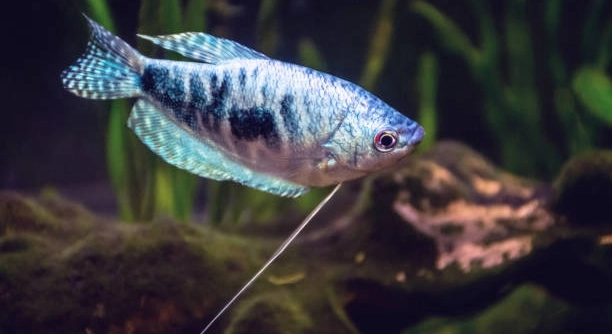
Are your gourami fish active around feeding times, or do they follow a strict routine? Many fish owners notice certain behaviors that suggest their pets might recognize feeding schedules. Observing these patterns can reveal interesting insights about gouramis.
Gouramis can indeed become aware of feeding schedules through consistent timing and environmental cues. Their behavior often adapts to routine feeding, showing anticipation before mealtime. This learned response is a result of their natural ability to associate specific cues with food availability.
Understanding how gouramis respond to feeding times helps improve care and ensures they remain healthy and content in their environment. This knowledge can make feeding more rewarding for both fish and owners alike.
How Gouramis Learn Feeding Times
Gouramis are smart fish that can pick up on feeding schedules over time. When food is offered at the same time each day, they start to recognize the pattern. This happens because their brain links certain signs—like the sound of a lid opening or movement near the tank—with mealtime. You might notice your gourami swimming excitedly or gathering near the surface just before feeding. These fish use routine and environmental clues to adjust their behavior. They don’t have clocks like humans, but they rely on repetition and their sense of time to predict when food will come. This learning helps them feel secure because they know when to expect nourishment. It also shows that feeding consistency plays an important role in their well-being.
Feeding schedules give gouramis a clear structure, which reduces stress and encourages natural behavior.
Knowing how gouramis anticipate feeding helps you build a stronger bond and care for them better. By offering food at regular times, you support their natural rhythms and overall health. When fish expect food, they stay more active and engaged. This awareness also makes it easier to spot changes in their appetite or health early on. If a gourami stops responding to feeding cues, it could signal a problem worth checking. Setting a regular feeding time is simple but effective for keeping gouramis happy and balanced in your tank.
The Importance of Routine for Gourami Health
Gouramis thrive on a steady routine that includes feeding times.
A consistent feeding schedule keeps gouramis’ digestive systems working well and prevents overfeeding. When food is given regularly, they eat just enough and don’t get stressed waiting or competing for food. Sudden changes in feeding can upset their digestion or cause them to become anxious. Over time, this can lead to health issues like bloating or poor nutrition. A routine helps gouramis maintain energy levels and reduces aggressive behaviors related to food. Keeping to a schedule also helps you monitor their eating habits better. Regular feeding times encourage healthier fish and a calmer aquarium environment.
Signs Gouramis Recognize Feeding Times
Gouramis show clear signs when they expect to be fed. They often swim to the surface or gather near the feeding spot just before mealtime. Their movements become more active, and they watch closely for any sign that food is coming.
These behaviors come from their ability to learn patterns. When food is offered at the same time every day, gouramis start associating certain sounds or actions with feeding. They remember these cues and prepare themselves, showing excitement or anticipation. This is similar to how other animals respond to regular routines, helping them feel safe and less stressed.
By observing these signs, you can tell when your gouramis are aware of their feeding schedule. This knowledge helps you understand their habits and improve how you care for them daily.
Feeding Consistency and Behavior
Maintaining a consistent feeding time helps reduce stress and aggression among gouramis. When they know when to expect food, they behave calmer and show less competition during feeding. Inconsistent feeding can cause confusion and lead to frustration, making gouramis more likely to act out or hide.
Regular feeding also supports their natural activity levels. Gouramis are more likely to swim actively and explore their tank when they have a stable routine. This keeps them healthier and mentally stimulated. It also makes the aquarium environment more peaceful overall, benefiting all tank inhabitants.
Impact of Feeding Time on Gourami Mood
Feeding at the same time daily helps gouramis stay calm and relaxed. They feel secure when their routine is predictable.
When gouramis expect food regularly, their mood improves. They become less anxious and more sociable, which benefits the whole tank.
How Light and Environment Affect Feeding
Light cues play a big role in gouramis’ feeding habits. Gouramis often link the start of the day or changes in light with feeding time. Bright or dim lighting can signal mealtime, reinforcing their routine.
Setting a consistent light schedule helps gouramis stay on track with feeding. Changing lighting suddenly may confuse them and disrupt their eating behavior. A stable environment, including light, temperature, and tank setup, supports their natural rhythms and feeding awareness.
Tips to Establish a Feeding Routine
Use a timer or alarm to feed gouramis at the same time each day. Consistency is key.
Avoid overfeeding by sticking to planned portions. Regular timing keeps gouramis healthy and happy.
FAQ
Do gouramis really remember feeding times?
Yes, gouramis can remember feeding times when those times are consistent. Their brains associate certain environmental signals like sounds or light changes with food arrival. Over days or weeks, they learn to expect feeding around the same time. This memory isn’t like human memory but more about conditioned responses. That means they get ready for food when they notice cues linked to feeding, such as tank activity or your approach.
How can I tell if my gourami knows the feeding schedule?
Look for signs like swimming near the surface or gathering by the feeding area just before food is given. They might become more active or follow your movements closely when it’s near their usual feeding time. These behaviors show anticipation. If your gourami ignores feeding cues or doesn’t react, it might mean the schedule is inconsistent or the fish isn’t feeling well.
Is it okay to feed gouramis at different times each day?
Feeding at irregular times can confuse gouramis and cause stress. They do better with a predictable routine because it reduces anxiety and supports healthy digestion. If you must change feeding times occasionally, try to keep the new time consistent afterward. Sudden, random feeding can make them restless or overly aggressive during mealtime.
How often should I feed my gouramis?
Generally, feeding twice a day is enough for adult gouramis. Young fish may need more frequent meals. Give only what they can eat in about two minutes to avoid overfeeding. Uneaten food can pollute the water and harm your fish. Keeping portions small but regular helps maintain their health and tank cleanliness.
Can gouramis get stressed if feeding times are skipped?
Yes, skipping feeding times occasionally can stress gouramis, especially if it happens often. They rely on routine, so missing meals can cause them to become anxious or less active. If you need to miss a feeding, try to minimize how often this happens and watch for changes in behavior.
What if my gouramis don’t seem to care about feeding time?
Sometimes gouramis may not react strongly to feeding cues. This could be due to illness, tank conditions, or diet issues. Make sure the water is clean, the temperature is right, and the food is suitable. If problems continue, consider consulting a fish expert or vet to check for health concerns.
Does feeding time affect gourami breeding behavior?
Yes, a regular feeding schedule can encourage breeding by keeping gouramis healthy and reducing stress. When fish feel secure and well-nourished, they are more likely to display natural behaviors, including spawning. Irregular feeding or poor nutrition can reduce the chances of successful breeding.
Can lighting changes affect gouramis’ feeding habits?
Lighting is important. Gouramis often link feeding with light changes like morning brightness or room lighting. Consistent light schedules support their feeding routine. Sudden or drastic light changes can disrupt their behavior and make feeding times confusing. Keeping a regular light cycle benefits their overall well-being.
Is it better to feed gouramis live food or flakes?
Both live food and flakes can work well. Live food like brine shrimp or bloodworms can stimulate natural hunting behavior, while flakes are convenient and nutritious. Variety is best to ensure balanced nutrition. Feeding at regular times is more important than the type of food to build their feeding awareness.
How do I create a good feeding routine for my gouramis?
Choose two feeding times that fit your schedule and stick to them every day. Use an alarm or timer to remind yourself. Offer small portions each time and avoid overfeeding. Observe your gouramis’ reactions and adjust if needed. Consistency and attention to their behavior are the keys to a successful feeding routine.
Gouramis are quite capable of learning and remembering feeding schedules when these are consistent and predictable. Their ability to associate certain cues—like the sound of food being prepared or changes in light—with mealtime shows that they rely on routine to feel comfortable and secure. This behavior is natural and helps them stay calm and active in their environment. Regular feeding times not only support their health but also reduce stress, making it easier to care for them. Understanding how gouramis respond to feeding schedules is a useful part of keeping them happy in your tank.
Keeping a steady routine benefits gouramis in many ways. When they know when to expect food, they become more engaged and show anticipation, which is a sign of mental stimulation. This reduces aggressive behavior linked to competition for food and helps maintain a peaceful aquarium. A regular feeding schedule also supports proper digestion by preventing overeating or missed meals, both of which can cause health problems. Gouramis’ mood improves with routine, and they generally become more sociable and active. This makes watching and interacting with them more enjoyable.
If you want to provide the best care, focus on consistency in feeding times and the environment. Use tools like timers or alarms to keep track of mealtimes, and offer appropriate portions to avoid leftover food that harms water quality. Pay attention to lighting and tank conditions, as these also affect their feeding habits. Watching for signs of recognition and response to feeding cues can help you spot when something may be wrong. Overall, establishing a predictable feeding routine is simple but important, making a big difference in your gouramis’ well-being and the overall health of your aquarium.

Hello,
If you enjoy the content that we create, please consider saying a "Thank You!" by leaving a tip.
Every little bit helps us continue crafting quality advice that supports the health, happiness, and well-being of pets around the world, for pets of all shapes, sizes, and species.
We really appreciate the kindness and support that you show us!