
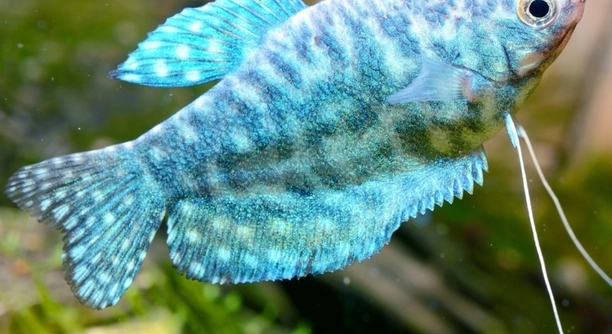
Gouramis are popular freshwater fish known for their unique behaviors and vibrant colors. Sometimes, these fish show restless movements that can concern their owners. Understanding what causes this behavior is important for maintaining a healthy aquarium environment.
Restlessness in gouramis is often caused by environmental stressors such as poor water quality, incorrect temperature, overcrowding, or lack of hiding spaces. Additionally, illness or aggression from tank mates can trigger increased activity and agitation.
Identifying the causes of restlessness can improve your gourami’s well-being and prevent potential health problems in your aquarium.
Common Environmental Causes of Restlessness
Gouramis often react to changes in their environment with restless behavior. Poor water quality is a major factor; high levels of ammonia, nitrites, or nitrates stress the fish and make them more active or agitated. Water temperature outside their ideal range (around 75-82°F) can also cause discomfort. Overcrowding is another issue, as too many fish in one tank lead to competition and stress. Lack of hiding places or plants can make gouramis feel exposed and unsafe, prompting more movement to find shelter. Sudden changes, such as water replacements or new tank mates, may also unsettle them. Monitoring water parameters and maintaining a stable, clean habitat helps keep gouramis calm and healthy.
Regular water testing and appropriate filtration are essential to prevent water quality problems. Adjusting the tank environment to suit gouramis’ needs reduces restlessness and promotes natural behavior.
Providing proper conditions supports their well-being and prevents unnecessary stress-induced activity.
Impact of Tank Mates on Behavior
Tank mates can influence gouramis’ activity levels and stress.
Aggressive or territorial fish nearby cause gouramis to be more restless. Peaceful, compatible species reduce tension and encourage calm behavior.
Illness and Its Role in Gourami Restlessness
Illness can cause significant changes in a gourami’s behavior. Infections, parasites, or injuries may result in increased movement, erratic swimming, or hiding. Early signs include lethargy, discoloration, or loss of appetite, but restlessness can also be a symptom of discomfort. Identifying health issues early requires careful observation and sometimes testing water or consulting a veterinarian. Treating illness promptly helps restore normal behavior and prevents worsening conditions. Sometimes, restlessness signals internal problems that require medical attention.
Maintaining good hygiene, avoiding overcrowding, and quarantining new fish helps prevent disease. A stable environment combined with proper care lowers the risk of illness-induced agitation. Recognizing these signs ensures timely intervention and better health outcomes.
Adjusting Tank Conditions
Small changes in tank conditions can reduce gourami restlessness. Regular water changes keep the environment clean and comfortable. Adjusting temperature gradually avoids shock. Adding plants and hiding spots provides security, lowering stress.
Consistent lighting cycles help gouramis maintain a natural rhythm. Sudden changes in light or noise can increase activity. Avoid tapping the glass or sudden movements around the tank. These disturbances can make gouramis nervous and restless.
Proper feeding also plays a role. Overfeeding leads to poor water quality, while underfeeding causes hunger-driven activity. Feed small amounts twice a day, and remove uneaten food promptly. Monitoring these details improves the tank environment and keeps gouramis calm.
Observing Behavior for Early Warning Signs
Observing gouramis closely reveals early signs of distress. Changes in swimming patterns, hiding more often, or increased aggression indicate problems. Noting these behaviors helps catch issues before they worsen.
Tracking behavior daily provides insight into their well-being. Record any sudden changes or repetitive movements. These observations can guide adjustments in care or signal health concerns. Early detection of stress or illness is crucial for effective treatment. Maintaining a stable, clean tank and a balanced diet supports healthy behavior and reduces restlessness over time.
Feeding Habits and Activity
Feeding schedules directly affect gourami activity levels. Consistent feeding times create routine and reduce restlessness. Overfeeding can lead to hyperactivity and poor water conditions, while underfeeding causes increased searching behavior.
High-quality food with proper nutrients supports calm and healthy gouramis. Varying diet prevents boredom and promotes natural behavior.
Tank Size and Space Considerations
Adequate tank size is crucial for gouramis to feel comfortable. Crowded spaces lead to stress and excessive movement. A minimum of 20 gallons is recommended for a single gourami, with more space needed for multiple fish or other species.
Proper spacing reduces competition and aggression, promoting calmer behavior. Including plants and decorations helps break up the area, creating boundaries that support peaceful interactions.
Stress Reduction Techniques
Reducing stress improves gourami behavior and health. Minimizing sudden noise and movements around the tank creates a peaceful environment. Maintaining stable water parameters avoids shocks that cause agitation.
Creating hiding spots gives gouramis a secure place to retreat, lowering anxiety and restlessness.
FAQ
Why is my gourami constantly swimming and never resting?
Restless swimming usually signals stress or discomfort. It can result from poor water quality, incorrect temperature, or overcrowding. When gouramis do not have enough hiding spots or feel threatened by tank mates, they stay active, searching for safety. Checking and adjusting tank conditions often helps reduce this behavior.
How can I tell if my gourami is stressed?
Signs of stress include rapid gill movement, erratic swimming, hiding frequently, or loss of appetite. Restlessness often accompanies these symptoms. Stress weakens the immune system, making fish prone to illness, so early detection and correction of environmental issues are important for their health.
What water parameters are ideal for gouramis?
Gouramis thrive in water temperatures between 75°F and 82°F. The pH should be neutral to slightly acidic, around 6.0 to 7.5. Ammonia and nitrite levels must be zero, with nitrates kept under 20 ppm. Regular water testing ensures these levels remain stable.
Can tank mates cause gouramis to be restless?
Yes, aggressive or overly active tank mates cause stress and restlessness in gouramis. Peaceful fish are better companions. Avoid housing gouramis with large or territorial species that may intimidate or attack them. Proper tank mate selection reduces tension.
How often should I clean the tank to keep my gourami calm?
Regular cleaning is essential. Partial water changes of 20-30% weekly remove waste and toxins. Cleaning the substrate and filter media as needed prevents buildup. A clean tank keeps water quality high, reducing stress and restlessness.
What types of food should I feed my gourami?
High-quality flakes, pellets, and frozen or live foods like brine shrimp and bloodworms are ideal. Variety helps meet nutritional needs and keeps feeding interesting. Avoid overfeeding, as leftover food degrades water quality and causes stress.
Is restlessness always a sign of illness?
Not always. Restlessness often results from environmental factors, but it can also indicate disease or parasites. Look for other signs like discoloration, spots, or lethargy. If illness is suspected, isolate the fish and seek treatment promptly.
How do I create hiding spots for my gourami?
Use live or artificial plants, caves, and decorations to provide shelter. Dense foliage or small structures help gouramis feel secure and reduce anxiety. Arrange these features to allow easy access and escape routes.
Can lighting affect my gourami’s activity?
Yes. Sudden or intense lighting can cause stress and erratic behavior. Maintain a consistent light schedule, ideally 8-10 hours per day, and avoid bright, direct light. Using dimmers or shaded areas in the tank can help create a comfortable environment.
What should I do if my gourami shows signs of illness?
Observe the fish closely and test water quality. Quarantine the affected fish if possible. Consult with an aquatic veterinarian or fish specialist for accurate diagnosis and treatment. Early action improves the chances of recovery.
How much space does a gourami need to stay calm?
A single gourami requires at least 20 gallons of water. Larger tanks are needed for multiple gouramis or mixed-species tanks. More space reduces stress and territorial disputes, promoting peaceful behavior.
Can stress cause long-term health issues in gouramis?
Yes. Chronic stress weakens the immune system, making gouramis more vulnerable to infections and reducing lifespan. Keeping a stable environment and meeting their needs prevents long-term health problems.
What are signs of aggression between gouramis?
Chasing, fin nipping, and hiding are common signs. Territorial disputes increase restlessness and injury risk. Separating aggressive individuals or rearranging the tank can reduce conflicts.
How do I properly acclimate a new gourami to my tank?
Float the sealed bag in the tank for 15-20 minutes to equalize temperature. Gradually add small amounts of tank water to the bag over 30 minutes. Then release the fish gently. Slow acclimation reduces stress and shock.
Are there any natural remedies to calm restless gouramis?
Adding Indian almond leaves or using aquarium stress-reducing products can help. These natural additives improve water quality and create a calming environment. Always follow product instructions carefully.
How important is routine in caring for gouramis?
Routine is vital. Consistent feeding, cleaning, and monitoring help gouramis adapt and stay calm. Sudden changes in environment or care cause stress and increase restlessness. Maintaining a predictable schedule supports their well-being.
Final Thoughts
Gouramis are sensitive fish that respond strongly to their environment. Restlessness is often a sign that something in their habitat needs attention. Factors such as water quality, tank size, and the presence of appropriate hiding spots play major roles in how comfortable they feel. When these conditions are not ideal, gouramis become more active and stressed. Simple adjustments in care can make a significant difference in calming them down and improving their overall health.
Maintaining stable water conditions is one of the most effective ways to reduce gourami restlessness. Regular water changes, proper filtration, and monitoring of temperature and pH levels keep the tank environment healthy. Overfeeding or irregular feeding schedules also contribute to increased activity and discomfort. Offering a balanced diet in appropriate amounts helps prevent water pollution and keeps gouramis satisfied. Tank mates and decorations should be chosen carefully to avoid conflicts and provide security. All these steps work together to create a peaceful habitat.
Patience and observation are key in managing gourami behavior. Changes may take time before becoming noticeable, and it is important to watch for any signs of illness or distress. Early detection allows for quick action and better outcomes. Restlessness is rarely a cause for alarm if addressed properly, but ignoring it can lead to more serious problems. Paying close attention to the needs of gouramis supports their well-being and ensures they remain healthy, calm, and content in their aquatic environment.

Hello,
If you enjoy the content that we create, please consider saying a "Thank You!" by leaving a tip.
Every little bit helps us continue crafting quality advice that supports the health, happiness, and well-being of pets around the world, for pets of all shapes, sizes, and species.
We really appreciate the kindness and support that you show us!