
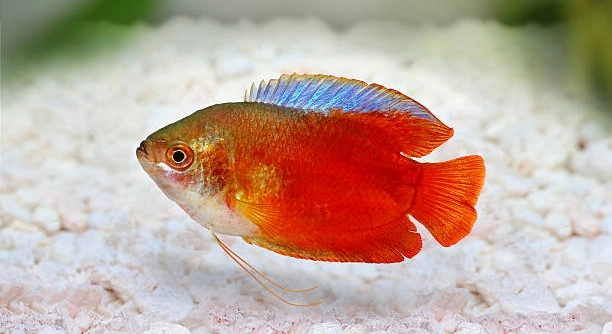
Gouramis are popular freshwater fish loved for their colors and calm nature. Proper tank placement plays a key role in keeping them healthy and stress-free. Poor placement can cause many avoidable problems in their environment.
Poor tank placement affects gouramis by disrupting their comfort and natural behavior. It can lead to stress, aggression, poor water quality, and increased disease risk. These issues directly impact their health and overall wellbeing in captivity.
Understanding the effects of tank placement can help you create a better home for your gouramis. This article will explain the main problems caused by poor placement and how they affect your fish’s life.
Stress from Poor Lighting and Placement
Gouramis are sensitive to their environment, especially lighting and tank location. When tanks are placed in direct sunlight or near bright artificial lights, gouramis can become stressed. Too much light causes them to hide more often, reducing their activity and natural behaviors. On the other hand, tanks placed in very dark or quiet corners may lack enough stimulation, leading to boredom and lethargy. Stress weakens their immune system, making them vulnerable to diseases. Poor placement near high-traffic areas can also disturb them frequently. It’s important to find a balanced spot with moderate lighting and some daily activity around. This helps gouramis feel secure and comfortable while allowing natural light cycles. The tank’s position influences their mood and health significantly, so considering lighting and surroundings is a simple way to improve their wellbeing.
Stress in gouramis caused by lighting and placement lowers their resistance to illness and shortens their lifespan.
Ensuring your gourami’s tank has soft, indirect light and is away from loud or busy areas helps maintain a calm, healthy fish. Placing the tank where they can experience a natural day-night rhythm reduces stress and encourages natural behavior. If the light is too harsh, adding floating plants or a tank cover can soften it. Avoid locations with sudden noises or vibrations, such as near doors or electronics. This attention to tank placement creates a stable environment, making gouramis more active and less prone to stress-related health issues. With just a few adjustments, your fish will thrive better and show their true colors.
Poor Water Flow and Oxygen Levels
Incorrect tank placement often results in poor water flow and oxygen circulation. When tanks are placed in spots that block proper filter function or where water movement is uneven, gouramis suffer. These fish need calm but well-oxygenated water. Stagnant water areas cause oxygen levels to drop, making it hard for gouramis to breathe. This leads to sluggishness and can cause gill damage over time. Also, poor circulation causes waste buildup in certain tank parts, lowering water quality and encouraging harmful bacteria. Keeping the tank in a stable, well-ventilated area helps maintain consistent water flow. The filter should not be obstructed, and gentle currents should reach all parts of the tank. Avoid placing tanks near heating vents or air conditioners that create uneven temperature changes, as this can also disrupt oxygen levels.
When water flow is poor, gouramis may struggle to get enough oxygen and face increased health risks.
To improve water flow, position the tank where the filter output isn’t blocked by decorations or plants. Make sure the tank surface is not covered completely, so gas exchange happens efficiently. Regular cleaning and monitoring water parameters support a healthy environment. Placing the tank in a quiet, temperature-stable room helps maintain balanced oxygen levels. Proper circulation keeps waste from settling and prevents toxic conditions. The overall result is a safer, more comfortable home where gouramis can thrive.
Increased Aggression and Territorial Behavior
Poor tank placement can cause gouramis to feel insecure, leading to aggression. When they don’t have enough hiding spots or space, fights become more frequent. Stress and competition increase, upsetting the tank’s harmony and causing injuries.
When gouramis feel exposed or threatened, they often display territorial behavior. This happens especially in tanks placed in busy or noisy areas, where sudden movements or vibrations stress the fish. Lack of visual barriers in the tank also worsens this problem, as gouramis can’t escape from each other’s sight. Aggressive behavior can cause injury and even death, so tank placement and decoration must create a safe, calm space. Adding plants and hiding spots helps reduce conflicts and gives gouramis places to retreat.
Proper tank placement lets gouramis establish territories peacefully. Avoid placing tanks where constant disturbances occur, and arrange decorations to break line of sight between fish. A calm, stable environment encourages less aggression and healthier social behavior.
Temperature Fluctuations and Their Effects
Temperature changes from poor tank placement affect gouramis deeply. Tanks near windows or air vents experience wide temperature swings that shock the fish. This weakens their immune system and disrupts metabolism, risking illness and slower growth.
Maintaining a stable temperature is crucial. Gouramis thrive in warm water, usually between 75°F and 82°F. Sudden drops or rises in temperature cause stress and can trigger disease outbreaks. Poor placement near heating or cooling sources exposes the tank to uneven temperatures throughout the day or night. This instability makes it hard for gouramis to regulate their bodily functions, lowering their ability to fight infections. Using a reliable heater and placing the tank away from drafts or direct sunlight helps keep water temperature steady and safe.
A consistent temperature encourages healthy eating, growth, and activity. Taking care to place the tank in a controlled environment reduces stress-related problems and promotes long-term wellbeing for your gouramis.
Poor Feeding Behavior
Gouramis placed in noisy or frequently disturbed areas often eat less. Stress from poor tank location reduces their appetite and feeding activity. Over time, this can cause malnutrition and weaken their health.
Limited feeding behavior also happens when gouramis feel threatened or insecure. If the tank lacks quiet, safe spaces, they may hide during feeding times and miss meals. Consistent, calm conditions encourage regular eating habits.
Increased Risk of Disease
Poor tank placement contributes to a buildup of harmful bacteria and parasites. Without proper water flow and cleanliness, infections spread quickly. Stress from environmental factors also lowers gouramis’ immune response, making disease more likely.
Difficulty Observing and Caring for Gouramis
Tanks placed in hard-to-see or inconvenient locations make it difficult to monitor fish health. Early signs of illness or stress may go unnoticed, delaying care and treatment. Easy access to the tank supports better maintenance and quicker responses to problems.
What are the signs that my gourami’s tank placement is causing stress?
Stress in gouramis often shows through changes in behavior and appearance. You might notice your fish hiding more than usual or swimming erratically. They could lose appetite or display faded colors. Rapid breathing or gasping near the surface can also signal stress caused by poor tank placement. Aggression between fish can increase if the environment feels unsafe. If these signs appear, it’s a good idea to check the tank’s location, lighting, and noise levels. Adjusting these factors often helps gouramis relax and return to normal behavior.
How can I choose the best spot for my gourami tank?
Pick a quiet, stable place away from direct sunlight, drafts, or busy areas. This reduces sudden temperature changes and limits stress from outside disturbances. Make sure the tank is easy to reach for regular maintenance. Indirect natural light or soft artificial lighting works best, avoiding glare or overly bright spots. Also, avoid placing the tank near speakers, doors, or appliances that cause vibrations. A stable room temperature and gentle airflow help keep water conditions consistent, supporting your gouramis’ health.
Can poor tank placement affect water quality?
Yes, it can. If the tank is in a spot where water flow from filters is blocked, waste may build up unevenly. Stagnant areas encourage harmful bacteria and reduce oxygen levels. Tanks placed near heating vents or air conditioners might experience uneven temperature shifts, affecting water chemistry. Good placement ensures proper circulation and stable conditions, which keeps water clean and safe for gouramis. Regular water testing is important, but a well-placed tank helps reduce sudden changes in water quality.
What are some easy fixes if my gouramis seem stressed due to tank placement?
Start by moving the tank away from windows or busy spots. Add plants or decorations to create hiding places and reduce line of sight between fish, which lowers aggression. Use soft lighting instead of harsh bulbs and cover part of the tank if needed to reduce glare. Check that your filter and heater work well and aren’t blocked by decorations. Try to keep the room temperature stable and avoid loud noises nearby. These small changes can greatly improve your gouramis’ comfort and health.
Is it okay to keep the gourami tank near a window for natural light?
While natural light is good, placing the tank directly by a window can cause problems. Sunlight can overheat the water and promote algae growth, which affects water quality. It also causes temperature swings from daytime heat and nighttime coolness. If the tank must be near a window, use curtains or blinds to control light exposure and temperature. Monitor the tank closely for any signs of stress or algae buildup and adjust as needed.
How often should I check on the tank environment to prevent issues from poor placement?
Daily quick checks are best. Look for changes in fish behavior, water clarity, and equipment function. Weekly water tests for pH, ammonia, nitrites, and nitrates help catch problems early. Also, keep an eye on lighting, temperature, and tank cleanliness. Frequent observation helps you spot stress signs caused by tank placement and fix problems before they worsen. Regular care supports your gouramis’ long-term health.
Can poor tank placement cause gouramis to become aggressive towards each other?
Yes, it can. Stress from noise, light, or lack of hiding spaces often triggers territorial fights. When gouramis feel exposed or crowded, they defend their space aggressively. This leads to injuries or even death. Proper tank placement, along with adding plants and decorations, helps gouramis feel secure. Breaking up the tank visually gives each fish its own area, reducing fights and promoting peaceful behavior.
What’s the best way to manage temperature changes caused by tank placement?
Keep the tank away from drafts, heating vents, and direct sunlight. Use a reliable aquarium heater with a thermostat to maintain steady warmth. Avoid placing the tank near doors or windows that open frequently, which cause sudden temperature shifts. If necessary, use room heaters or fans to help regulate the room’s temperature. Stable water temperature prevents stress and supports healthy metabolism in gouramis.
How important is tank size when considering placement effects on gouramis?
Tank size matters a lot. Smaller tanks are more sensitive to environmental changes like temperature swings or water quality shifts caused by poor placement. Larger tanks have more stable conditions but still need careful location choice. Ensure the tank size fits the number of gouramis to avoid overcrowding, which worsens stress and aggression. Proper placement supports stable conditions, but choosing the right tank size is essential for their overall wellbeing.
Can moving the tank to a better location solve all problems caused by poor placement?
Moving the tank helps with many issues like stress, aggression, and water quality. However, it’s not a cure-all. You still need to maintain good filtration, heating, and regular cleaning. Also, providing enough hiding spots and a proper diet is important. Tank placement creates the foundation for a healthy environment, but ongoing care and observation are key to keeping gouramis happy and healthy over time.
Proper tank placement is one of the most important factors in keeping gouramis healthy and happy. Where you put the tank affects the fish’s stress levels, behavior, and overall wellbeing. A tank placed in a quiet spot with stable lighting and temperature helps gouramis feel safe and comfortable. On the other hand, tanks in noisy or unstable environments can cause problems like stress, aggression, and illness. Taking time to find a good location for your gouramis’ tank is a simple step that makes a big difference in their quality of life.
When choosing a place for your gourami tank, it is important to avoid areas with direct sunlight, strong drafts, or loud noises. These factors cause temperature fluctuations and increase stress. Stress weakens the fish’s immune system, making them more vulnerable to disease. Poor water circulation from blocked filters or uneven currents also lowers oxygen levels and worsens water quality. Providing hiding places and breaking up sight lines inside the tank can reduce aggression and help your gouramis feel secure. These small but thoughtful adjustments improve the environment and help keep your fish healthy.
Finally, even the best tank placement needs to be paired with regular care. Monitoring water quality, maintaining filters and heaters, and feeding your gouramis properly all work together with good placement to create a stable, safe home. Watching your fish for signs of stress or illness and reacting quickly will prevent many common problems. A calm and balanced environment encourages your gouramis to live longer and show their natural colors and behaviors. Paying attention to tank placement is an easy way to give your gouramis the best chance at a happy life.

Hello,
If you enjoy the content that we create, please consider saying a "Thank You!" by leaving a tip.
Every little bit helps us continue crafting quality advice that supports the health, happiness, and well-being of pets around the world, for pets of all shapes, sizes, and species.
We really appreciate the kindness and support that you show us!