
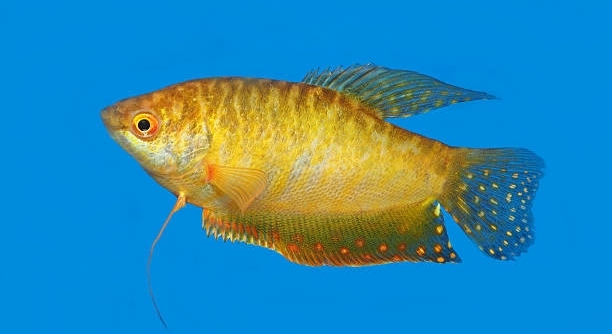
Gouramis are peaceful fish that can become stressed easily in their tank environment. Understanding how to reduce anxiety is important for their health and well-being. This article will offer simple ways to create a calm tank for your gourami.
Preventing gourami tank anxiety involves maintaining stable water conditions, providing adequate hiding spots, and avoiding overcrowding. These steps reduce stress and promote natural behaviors, leading to a healthier and more comfortable environment for your fish.
Managing tank anxiety in gouramis improves their lifespan and overall happiness, making your aquarium a more enjoyable space for both fish and owner.
Creating a Comfortable Environment for Your Gourami
Gouramis feel safer when their tank mimics their natural habitat. Adding live plants gives them places to hide and explore, which helps reduce stress. Floating plants are especially good because they provide cover near the surface where gouramis like to swim. Soft lighting and calm water flow also contribute to a peaceful environment. Avoid sudden changes in temperature or water chemistry, as these can shock your fish and raise anxiety levels. It’s important to keep the tank clean but not over-cleaned, since beneficial bacteria help maintain balance. Using gentle filtration prevents strong currents that might tire or frighten your gouramis. Setting up the tank thoughtfully will make your gouramis feel more secure and at ease, improving their health and behavior overall.
Stable water temperature between 75-80°F and regular water testing are key to keeping gouramis comfortable.
Tank decorations and plants give gouramis places to hide from perceived threats and reduce their stress. This setup supports their natural instincts and promotes a calm atmosphere. By carefully managing the environment, you help prevent anxious behaviors like hiding excessively or refusing to eat. Gouramis thrive when they can feel protected but still have enough space to swim freely. Balance between open swimming areas and sheltered spots creates an ideal tank. Regular maintenance that doesn’t disturb the tank too much keeps water conditions consistent. Avoid placing the tank in noisy or busy areas, which can increase stress. With these adjustments, your gouramis will feel more relaxed and show healthier activity levels.
Feeding and Social Needs of Gouramis
Proper feeding helps keep gouramis calm and healthy.
Gouramis are social fish that benefit from peaceful tank mates and a balanced diet. Feeding them small amounts twice a day prevents hunger and reduces stress. Including a mix of high-quality flakes, pellets, and occasional live or frozen foods provides the nutrients they need. Overfeeding should be avoided as it can pollute the tank and harm water quality. When choosing companions, avoid aggressive or overly active fish that could intimidate gouramis. Keeping gouramis in pairs or small groups allows natural social interactions without overcrowding. Observing their behavior helps spot early signs of anxiety or aggression, allowing you to make adjustments quickly. Meeting these feeding and social requirements supports gouramis’ well-being and keeps their environment calm.
Monitoring Stress Signs in Gouramis
Gouramis show stress through behavior changes like hiding, loss of appetite, or color fading. Watching for these signs helps catch problems early.
If gouramis hide too much or refuse food, it often means their environment feels unsafe or uncomfortable. Rapid gill movement or erratic swimming can also indicate stress. These signs require prompt attention to avoid illness. Consistent water testing and tank checks help identify causes like poor water quality or aggressive tank mates. Stress weakens the immune system, so early detection is vital to keeping gouramis healthy and comfortable.
Adjusting tank conditions or separating aggressive fish usually improves their mood quickly. A calm environment encourages normal behaviors and better feeding habits, reducing stress-related issues over time.
Importance of Regular Tank Maintenance
Regular tank maintenance ensures a healthy environment and reduces anxiety in gouramis. Cleaning the tank and monitoring water quality prevents harmful buildups that cause stress.
Changing about 20-30% of the water weekly removes toxins and maintains stable water parameters. Cleaning filters and removing uneaten food helps keep the water clear and safe. Avoid harsh chemicals and sudden large water changes that could shock the fish. Monitoring ammonia, nitrite, and nitrate levels with test kits ensures the water stays within safe limits. A well-maintained tank supports gouramis’ immune systems and natural behavior, reducing anxiety. Keeping up with maintenance creates a balanced habitat where gouramis can thrive comfortably.
Avoiding Overcrowding
Overcrowding causes stress by increasing competition for space, food, and oxygen. Gouramis need enough room to swim freely without feeling threatened.
A spacious tank with fewer fish lowers aggression and anxiety. Proper stocking levels help maintain water quality and prevent stress-related illnesses.
Choosing Compatible Tank Mates
Peaceful fish species that share similar water needs make good companions for gouramis. Avoid aggressive or overly active fish.
Tank mates like tetras, rasboras, or peaceful catfish help create a calm environment. Compatibility reduces stress and supports harmonious behavior.
Using Hiding Spots Effectively
Providing plenty of hiding spots allows gouramis to retreat when feeling threatened. Plants, caves, and decorations offer safe spaces.
These areas help reduce anxiety by mimicking natural shelters and give gouramis control over their environment, improving their overall well-being.
Managing Lighting Levels
Soft, dim lighting is best for gouramis, as harsh bright lights can cause stress. Adjustable lighting helps create a soothing atmosphere.
FAQ
How can I tell if my gourami is stressed?
Signs of stress in gouramis include hiding more than usual, losing appetite, faded colors, and erratic swimming. Rapid gill movement or gasping at the surface may also indicate discomfort. Watching for these behaviors helps identify when something is wrong in their environment.
What causes tank anxiety in gouramis?
Tank anxiety often results from poor water quality, sudden changes in temperature, overcrowding, or aggressive tank mates. Lack of hiding spots and harsh lighting can also increase stress. These factors disrupt their natural comfort and safety, leading to anxious behaviors.
How often should I clean my gourami tank?
A partial water change of about 20-30% weekly is ideal to maintain clean water and stable conditions. Cleaning the filter and removing leftover food regularly also helps. Avoid full water changes too often to prevent shocking the fish.
What are the best hiding spots for gouramis?
Live plants, caves, and decorations create great hiding spots. Floating plants are especially helpful because gouramis enjoy staying near the water surface. These spots provide security and reduce stress by allowing fish to retreat when needed.
Can gouramis live with other fish?
Yes, gouramis do well with peaceful species like tetras, rasboras, or small catfish. Avoid aggressive or overly active fish that might bully or stress gouramis. Compatibility keeps the tank calm and reduces anxiety.
What temperature is best for gouramis?
Keep the tank temperature between 75-80°F (24-27°C). Sudden temperature changes should be avoided because gouramis are sensitive and can become stressed if conditions fluctuate too much.
How important is lighting for gouramis?
Soft, dim lighting is best. Bright or harsh lights can stress gouramis. Using adjustable lighting or adding floating plants to filter the light creates a more natural and calming environment.
How much space do gouramis need?
A single gourami needs at least 20 gallons of tank space. Overcrowding causes stress, so it’s important to give them enough room to swim and establish territories. Proper space lowers aggression and supports healthy behavior.
What should I feed my gouramis to reduce anxiety?
Feed a balanced diet of high-quality flakes, pellets, and occasional live or frozen foods. Avoid overfeeding to maintain water quality. Proper nutrition supports their immune system, which helps reduce stress.
How can I prevent aggression in a gourami tank?
Maintain stable water conditions, provide enough hiding spots, avoid overcrowding, and choose compatible tank mates. Observing fish behavior regularly helps detect early signs of aggression so adjustments can be made before stress builds up.
Is it normal for gouramis to hide a lot?
Gouramis may hide during times of stress or when they feel threatened. Providing sufficient hiding places helps them feel safe. However, if hiding is constant and accompanied by other signs like loss of appetite, it could indicate a problem.
What do I do if my gourami shows signs of stress?
Check water quality immediately and correct any imbalances. Look for aggressive tank mates and adjust the tank setup if necessary. Adding more plants or hiding spots can help. If needed, separate the stressed fish to reduce pressure.
Can sudden changes in water cause anxiety?
Yes, sudden changes in temperature, pH, or water hardness can shock gouramis and increase anxiety. Making gradual changes and regularly testing water helps keep conditions stable and safe for your fish.
How do I create a calm atmosphere for my gouramis?
Use gentle filtration, soft lighting, plenty of plants, and peaceful tank mates. Avoid loud noises or vibrations near the tank. A quiet and balanced environment allows gouramis to feel secure and lowers stress levels.
Final Thoughts
Creating a calm and healthy environment for your gouramis is essential to preventing tank anxiety. Stress can cause many health problems and reduce their lifespan. Simple steps like maintaining stable water conditions, providing hiding spots, and choosing peaceful tank mates can make a big difference. Paying attention to their behavior helps you notice early signs of stress and take action before problems get worse. With regular care and observation, gouramis can live happily and show their natural behaviors.
Keeping the water clean and stable is one of the most important parts of gourami care. Regular water changes and monitoring water quality help avoid harmful conditions that cause anxiety. It’s also important to avoid sudden changes in temperature or water chemistry. These changes can shock your fish and lead to stress. Using gentle filtration and soft lighting can create a peaceful atmosphere that gouramis prefer. Adding plants and decorations provides places for them to hide and feel safe. These small adjustments improve their comfort and reduce nervous behaviors.
Feeding your gouramis a balanced diet and avoiding overcrowding are other key factors in preventing anxiety. Overcrowding causes competition for space and food, which increases stress. Choosing compatible tank mates helps keep the environment calm. Feeding small, regular meals with a mix of flakes, pellets, and live foods supports their health and immune system. Watching for signs of stress, such as hiding or loss of appetite, allows you to act quickly. Taking these steps ensures your gouramis have a safe, calm, and healthy home where they can thrive for years to come.

Hello,
If you enjoy the content that we create, please consider saying a "Thank You!" by leaving a tip.
Every little bit helps us continue crafting quality advice that supports the health, happiness, and well-being of pets around the world, for pets of all shapes, sizes, and species.
We really appreciate the kindness and support that you show us!