
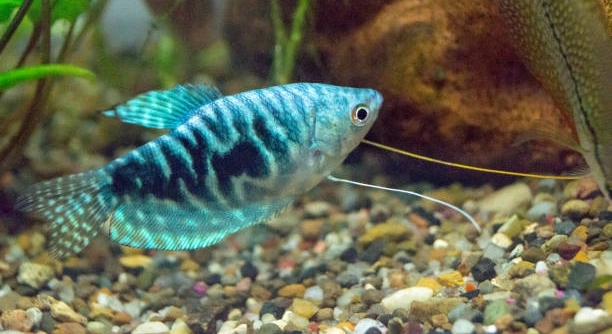
Gouramis are popular freshwater fish known for their calm behavior and beautiful colors. Many people enjoy keeping them in community tanks because they usually get along well with other fish. Understanding their nature helps create a peaceful aquarium environment.
Gouramis are considered peaceful because they rarely show aggression towards tank mates, prefer calm interactions, and exhibit gentle swimming behavior. Their territorial instincts are mild, making them suitable for community tanks with other non-aggressive species.
Knowing how to identify their peaceful traits can improve your aquarium’s harmony and ensure your gouramis thrive in a stress-free space.
Body Language of Peaceful Gouramis
Gouramis communicate a lot through their body language. When they swim smoothly and calmly around the tank, it usually means they feel safe and relaxed. You won’t often see sudden darting or aggressive chasing behaviors in peaceful gouramis. Their fins stay mostly relaxed and spread out rather than clamped close to the body, which shows they are comfortable. Sometimes, gouramis gently flare their fins to show a mild display, but this rarely turns into full aggression. Watching their interactions with other fish is important, too. Peaceful gouramis will often avoid conflict by keeping a respectful distance. They may even share space without signs of stress like rapid movements or hiding. Understanding these subtle cues helps in recognizing their peaceful nature and maintaining a calm environment for everyone in the tank.
Body language is a clear indicator of peace or stress in gouramis. Calm movements and relaxed fins are positive signs.
Observing your gouramis’ body language can guide you in adjusting tank conditions if you notice signs of discomfort or aggression. If a gourami starts chasing other fish or flaring excessively, it might be stressed or trying to assert dominance, which is less typical for peaceful species. Ensuring enough space and hiding spots reduces these behaviors. Peaceful gouramis also tend to be more tolerant of tank mates and do not show intense territorial behaviors. If you notice regular gentle interactions, like swimming side by side or mirroring movements, it means they feel secure. Maintaining stable water conditions and avoiding overcrowding supports their calm demeanor. Overall, paying attention to how gouramis behave and move is key to understanding their peaceable nature and promoting harmony in your aquarium.
Interaction with Tank Mates
Peaceful gouramis coexist well with other calm fish and rarely bully their neighbors.
When selecting tank mates, choose species that are not overly aggressive or territorial, as this keeps stress low. Peaceful gouramis usually do well with tetras, rasboras, and other small, non-aggressive fish. Avoid placing them with larger or more aggressive species that might intimidate them. The social balance is important because even peaceful fish can become stressed if constantly threatened. Gouramis themselves generally do not initiate fights and tend to keep to their own space unless disturbed. Providing plants and decorations helps create natural boundaries, reducing accidental conflicts. Peaceful gouramis often swim calmly alongside others without chasing or nipping. They show tolerance and avoid competition for food or territory. When the environment is right, gouramis contribute to a balanced and peaceful community tank where all fish can thrive.
Feeding Habits Reflecting Calm Temperament
Gouramis eat slowly and carefully, which is a sign of their peaceful nature. They do not rush or compete aggressively for food.
When feeding, peaceful gouramis usually approach food calmly and take their time. They do not shove or chase other fish away to get to the food first. Instead, they eat gently and often share space with other fish during feeding times. This behavior contrasts with aggressive species that dart quickly and fight for bites. Watching how gouramis behave around food can tell you a lot about their temperament. Calm eating habits mean less stress for everyone and help maintain peace in the tank.
In addition, gouramis are not picky eaters but prefer smaller, softer foods that they can easily nibble on. Their slow feeding style helps prevent overfeeding and reduces waste. They also tend to eat from the middle or upper water levels, avoiding conflict with bottom feeders. This balance supports a peaceful coexistence in the aquarium and makes feeding time a relaxed moment rather than a struggle.
Response to Stress and Environment
Gouramis remain calm when their environment is stable and free of sudden disturbances. Stress can cause quick changes in their behavior.
A peaceful gourami responds to environmental stress by seeking shelter or staying still rather than showing aggression. They are sensitive to water quality and prefer consistent temperature and clean water. Sudden loud noises or fast movements near the tank may cause them to hide or freeze but rarely provoke aggression. Stress makes them less active and can dull their colors, signaling a need for better care. Providing plants, hiding spots, and a quiet environment helps keep gouramis relaxed.
If stress lasts too long, gouramis might become timid or refuse to eat. Keeping tank conditions stable and avoiding overcrowding is key to maintaining their calm behavior. Peaceful gouramis thrive best when they feel safe, and a well-kept aquarium allows their gentle personality to shine. Their quiet nature reflects how comfortable they are in their surroundings, so paying attention to their response can guide how you care for them.
Social Behavior Among Gouramis
Peaceful gouramis often swim together or near other fish without causing trouble. They show friendly and calm social behavior in the tank.
They rarely fight or chase, preferring to share space quietly. This makes them good companions for community aquariums with other peaceful species.
Minimal Territorial Aggression
Gouramis generally do not defend large territories aggressively. Their territorial displays are mild and usually short-lived.
They might flare fins briefly but quickly return to peaceful swimming. This low level of aggression helps keep the tank calm.
Compatibility with Other Peaceful Fish
Gouramis get along well with other peaceful fish like tetras and rasboras. Their easygoing nature makes cohabitation smooth and stress-free.
Subtle Communication
Gouramis communicate through gentle movements and fin displays rather than aggressive acts. This subtlety shows their peaceful character.
How can I tell if my gourami is peaceful?
A peaceful gourami will swim calmly around the tank without chasing or bullying other fish. Their fins stay relaxed, and they rarely flare aggressively. They often share space nicely, showing no signs of stress or agitation. Watching their slow, gentle movements and quiet interactions is a good way to confirm they are peaceful.
What tank mates are best for peaceful gouramis?
Peaceful gouramis do best with other calm, small to medium-sized fish such as tetras, rasboras, and corydoras. Avoid aggressive or very territorial species that might intimidate them. Fish that share similar water and temperature needs will create a balanced, stress-free environment for everyone in the tank.
Do gouramis show aggression during feeding?
Usually, peaceful gouramis eat slowly and calmly without rushing or pushing other fish away. They don’t compete aggressively for food but prefer nibbling at their own pace. If you notice sudden chasing or biting, it may be due to stress or overcrowding, not typical peaceful behavior.
Why do gouramis sometimes flare their fins?
Fin flaring in gouramis is often a mild display to show presence or set boundaries, but it rarely leads to real fights. It’s a way to communicate without escalating aggression. If flaring happens occasionally without chasing, your gourami is still peaceful.
Can stress make a peaceful gourami aggressive?
Stress can cause behavior changes, but even stressed gouramis rarely become fully aggressive. Instead, they may hide, become less active, or lose color. Improving water quality, reducing noise, and providing hiding places usually helps them return to their calm nature.
How much space do peaceful gouramis need?
Gouramis do best in tanks of at least 20 gallons, giving them enough room to swim without feeling crowded. More space reduces territorial disputes and helps maintain their peaceful behavior. Providing plants and decorations also creates natural boundaries.
Is it normal for gouramis to be shy?
Yes, peaceful gouramis can be shy, especially when introduced to a new tank or around active, noisy fish. They may hide or stay still at first. As they adjust and feel safe, their calm and gentle nature becomes more visible.
Do gouramis get along with bottom-dwellers?
Gouramis generally coexist well with peaceful bottom-dwelling fish like corydoras or kuhli loaches. They occupy different tank levels and rarely compete for food or space, which supports a peaceful community atmosphere.
How often should I feed my gouramis?
Feeding once or twice daily with small amounts of food is best. Gouramis prefer slow feeding, so avoid overfeeding to keep the water clean and prevent stress. A balanced diet of flakes, pellets, and occasional live or frozen foods keeps them healthy and calm.
What signs show a gourami is stressed or unhappy?
Signs include hiding often, reduced appetite, dull colors, and rapid breathing. Aggressive chasing or flaring can also indicate stress, although peaceful gouramis tend to avoid conflict. Checking water conditions and tank setup usually helps solve these issues.
Are gouramis peaceful during breeding?
Male gouramis can become more territorial when building bubble nests or guarding eggs. This behavior is usually limited to breeding times and is less common in community tanks. Providing extra space and hiding spots helps reduce aggression during these periods.
Can gouramis live alone peacefully?
Yes, gouramis can live alone and remain peaceful since they don’t require schooling. However, having other calm tank mates can enrich their environment without causing stress. Just make sure the other fish are compatible and non-aggressive.
How do I reduce aggression if my gourami becomes hostile?
Check tank size and water quality first. Increasing hiding places and rearranging decorations can break up territories. Removing overly aggressive tank mates or reducing the number of gouramis may also help. Keeping stress low is key to peaceful behavior.
Do different gourami species have different temperaments?
Yes, some gourami species are naturally more peaceful, like the pearl or honey gourami. Others, such as the three-spot gourami, may show mild aggression but usually remain calm if properly cared for. Researching each species helps set the right expectations.
What water conditions support peaceful gouramis?
Stable temperature between 74–82°F, pH around 6.0–7.5, and clean, well-filtered water are ideal. Sudden changes in water quality or temperature can stress gouramis and affect their behavior. Regular maintenance helps keep the tank peaceful and healthy.
Can gouramis live peacefully in small tanks?
Small tanks can cause stress and aggression due to limited space. Peaceful gouramis need enough room to swim and establish territories. A minimum of 20 gallons is recommended to maintain calm behavior and reduce conflicts in the tank.
Gouramis are often seen as peaceful fish that can bring calmness to a community aquarium. Their gentle nature makes them popular among many fishkeepers. Knowing how to spot peaceful behavior in gouramis helps you create a better environment for them and their tank mates. When gouramis swim calmly, eat slowly, and avoid aggressive actions, they show they are relaxed and comfortable. Paying attention to these signs makes it easier to care for them and maintain harmony in the tank.
It is important to provide gouramis with a stable and clean environment. This includes proper water conditions, enough space, and places to hide. Stress from poor water quality or overcrowding can change their behavior and cause them to act less peaceful. Adding plants and decorations helps gouramis feel safe and reduce conflicts with other fish. Choosing suitable tank mates that also have calm temperaments keeps the aquarium peaceful and enjoyable for all the fish.
Understanding gouramis’ peaceful traits benefits both the fish and the keeper. Calm fish tend to live healthier, longer lives and interact better with their surroundings. Watching how gouramis behave daily allows you to notice changes early, which can prevent problems. With the right care and attention, peaceful gouramis will thrive and be a pleasant addition to any community tank. This makes the effort of learning about their behavior worthwhile.

Hello,
If you enjoy the content that we create, please consider saying a "Thank You!" by leaving a tip.
Every little bit helps us continue crafting quality advice that supports the health, happiness, and well-being of pets around the world, for pets of all shapes, sizes, and species.
We really appreciate the kindness and support that you show us!