
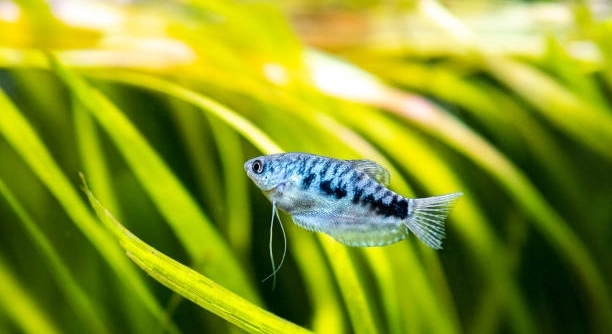
Gouramis are popular aquarium fish known for their vibrant colors and peaceful nature. Like many fish, they need specific conditions to thrive. One important factor is providing quiet spaces to reduce stress and encourage natural behavior.
Gouramis require quiet environments during certain times, such as resting, breeding, or adjusting to new surroundings. Noise and sudden disturbances can cause stress, affecting their health and behavior. Quiet spaces help maintain their well-being and promote normal activity patterns.
Knowing when gouramis need calm areas will improve their care and help create a better environment for these sensitive fish. This article outlines seven key moments when quiet spaces are essential.
When Gouramis Are Introduced to a New Tank
Introducing gouramis to a new tank can be stressful for them. The unfamiliar environment, new water conditions, and different surroundings make them uneasy. They need quiet spaces to acclimate and reduce anxiety. Providing hiding spots like plants or caves allows them to feel secure. Sudden noises or frequent tapping on the tank can increase their stress levels, which may lead to poor appetite or illness. Allowing gouramis to settle calmly helps them adapt faster. Keeping the tank environment stable during this time is essential. Proper acclimation supports their immune system and promotes healthy behavior, ensuring they thrive in their new home.
Minimizing disturbances and offering hiding places improves their adjustment. Quiet environments during this period help reduce stress significantly.
During the first days in a new tank, limit activity around the aquarium. Avoid loud noises, sudden movements, or excessive lighting. Gradually introduce changes, such as feeding times, to create a calm routine. This gentle approach supports their comfort and health. Providing ample shelter where gouramis can retreat reduces feelings of vulnerability. A stable and quiet environment encourages them to explore and interact naturally, leading to a smoother transition.
During Resting Periods
Gouramis rest to recover energy, usually in calm, quiet places. Noise can disturb their rest and cause stress.
Resting is essential for their health and growth. Providing a peaceful environment without sudden sounds allows them to regain strength and avoid exhaustion.
Offering soft lighting and secluded areas promotes better rest. Avoid tapping the glass or creating vibrations near the tank. Quiet resting spaces contribute to their overall well-being.
When Gouramis Are Breeding
Gouramis need quiet and calm spaces during breeding. Loud noises or sudden movements can disrupt their behavior and reduce the chances of successful mating.
During breeding, gouramis become more sensitive to their surroundings. Males often build bubble nests and guard them carefully. Any disturbances can cause stress, leading to abandoned nests or aggression. Providing secluded areas with minimal noise helps ensure the breeding process continues smoothly. Avoid tapping the tank or making sudden loud sounds. Quietness allows the gouramis to focus on mating and protecting their eggs without interruption. This calm environment is essential for reproductive success and the health of both parents and offspring.
Bubble nests require stability, so keeping the tank environment calm is crucial. Any external stress may harm the eggs or cause the parents to become overly aggressive. Quiet spaces also reduce the risk of fry being eaten or damaged. Ensuring a peaceful breeding environment helps maintain healthy gourami populations and encourages natural behavior.
After Health Treatments
After treatments, gouramis are vulnerable and need a calm environment to recover properly. Stress can delay healing and worsen their condition.
During recovery, gouramis should be kept in a quiet tank with low light and minimal disturbance. This reduces stress and helps them regain strength faster. Sudden noises or frequent handling can cause anxiety and slow the healing process. Isolating sick fish from others prevents aggression and allows focused care. Using hiding spots also supports recovery by offering a safe retreat. Maintaining clean water and stable conditions is equally important. A peaceful environment during this time ensures better health outcomes and faster recovery.
Treatments often weaken fish, so reducing stress is a priority. Quiet spaces prevent unnecessary energy expenditure caused by fear or aggression. Providing a calm atmosphere with proper water quality helps strengthen the immune system. This approach supports the gouramis’ return to normal activity and vitality after illness or injury.
When Gouramis Feel Threatened
Gouramis become stressed when they sense threats in their environment. Loud noises or sudden movements trigger this reaction.
Providing quiet hiding spots helps them feel safe and lowers stress. This calm environment prevents aggressive behavior and supports their well-being.
During Molting or Shedding
Molting is a vulnerable time for gouramis. They need calm surroundings to reduce stress and allow their bodies to recover. Any disturbances can cause them to hide excessively or refuse food, which slows healing. Quiet spaces encourage normal molting and reduce the risk of injury or illness.
When Adjusting to Tankmates
Gouramis need time to adapt to new tankmates without stress. Quiet and peaceful conditions support this adjustment process and reduce aggression.
FAQ
Why do gouramis need quiet spaces?
Gouramis are sensitive fish that easily get stressed by loud noises, sudden movements, or frequent disturbances. Quiet spaces help reduce stress and allow them to behave naturally. Stress can weaken their immune system, cause illness, or trigger aggression. Providing calm areas in the tank supports their overall health and well-being.
How can I create quiet spaces for my gourami?
Use plants, decorations, or caves to create hiding spots where gouramis can retreat when they feel threatened or tired. Avoid tapping the tank or making sudden noises. Position the aquarium in a low-traffic area to minimize vibrations and sounds. Soft lighting also helps maintain a peaceful environment.
Can too much noise harm gouramis?
Yes, excessive noise causes stress and disrupts their normal behavior. Stress weakens their immune system, making them more prone to diseases. It can also lead to loss of appetite and erratic swimming. Quiet surroundings are essential for their health and comfort.
How do gouramis behave when stressed?
Stressed gouramis may hide more than usual, lose appetite, or swim erratically. They may become aggressive toward other fish or show dull colors. Recognizing these signs early helps prevent further health problems. Reducing noise and disturbances can help them calm down.
Is it necessary to isolate gouramis during breeding?
Yes, isolation or a quiet space improves breeding success. Males build bubble nests and guard eggs carefully. Disturbances may cause them to abandon the nest or act aggressively. Keeping the breeding tank quiet supports their natural behavior and increases the chance of fry survival.
What kind of tank environment suits gouramis best?
A peaceful tank with plenty of plants and hiding spots is ideal. Soft lighting and stable water conditions reduce stress. Avoid overcrowding or mixing aggressive species. Position the tank away from loud noises and heavy foot traffic to maintain a calm atmosphere.
How long do gouramis need quiet after being introduced to a new tank?
Usually, they need at least several days to adjust. During this time, avoid loud noises, sudden movements, or frequent tank maintenance. Providing hiding spots and maintaining stable water conditions help them feel secure and settle faster.
Can loud music or vibrations affect gouramis?
Yes, vibrations and loud music can stress gouramis, even if the tank is indoors. These disturbances mimic threats and cause anxiety. Keeping the aquarium in a quiet area without heavy vibrations helps prevent stress-related problems.
How do I know if my gourami is molting or shedding?
Gouramis may lose scales or show changes in skin texture during molting. They often hide more and reduce activity. Quiet surroundings allow them to complete the process safely without additional stress or injury.
What should I do if my gourami shows signs of stress?
Immediately reduce noise and minimize tank disturbances. Provide extra hiding spots and maintain clean, stable water conditions. Observe their behavior and consider isolating aggressive or injured fish. If stress persists, consult a specialist to check for possible health issues.
Does tank size impact the need for quiet spaces?
Tank size matters but quietness is important in any aquarium. Smaller tanks amplify noises and vibrations, which can stress gouramis more. Larger tanks with plenty of hiding places reduce stress by offering more space to retreat and avoid conflicts.
How often should I check on my gouramis without stressing them?
Limit tank checks to once or twice a day. Avoid tapping the glass or sudden movements. Use gentle lighting to observe them. Frequent disturbances increase stress and should be avoided, especially during sensitive periods like breeding or recovery.
Can other fish in the tank cause stress to gouramis?
Yes, aggressive or overly active fish can stress gouramis by chasing or competing for space. Quiet, peaceful tankmates are preferable. If aggression occurs, separate the gouramis to protect their well-being and maintain a calm environment.
Are there signs that gouramis prefer more interaction?
Gouramis may approach the glass or swim near owners calmly when comfortable, but excessive interaction or sudden approaches can stress them. Respecting their need for quiet and space helps maintain trust and natural behavior.
What role does lighting play in creating quiet spaces?
Soft, indirect lighting creates a calm atmosphere that reduces stress. Bright or flickering lights can cause anxiety or disrupt resting periods. Dim lighting encourages natural behavior and helps gouramis feel safe in their environment.
How can I tell if a gourami is comfortable in its environment?
Comfortable gouramis swim naturally, eat regularly, and display vibrant colors. They explore the tank but retreat to hiding spots when needed. Their behavior is calm and consistent without signs of stress like hiding constantly or erratic swimming.
Final Thoughts
Gouramis are delicate fish that benefit greatly from quiet and calm environments. Stress can have a strong negative impact on their health, behavior, and overall well-being. Providing peaceful spaces within the tank helps reduce stress and supports their natural instincts. Quiet areas allow gouramis to feel safe, whether they are breeding, recovering from illness, molting, or simply adjusting to their surroundings. These conditions make a noticeable difference in their quality of life and longevity.
Creating a stress-free environment is not difficult but requires attention to details. Avoiding loud noises, sudden movements, and overcrowding in the tank are important steps. Including plants, decorations, and hiding spots offers shelter and comfort for gouramis when they need to retreat. Positioning the aquarium away from heavy foot traffic and other disturbances helps maintain tranquility. Soft lighting and stable water conditions also contribute to reducing stress and encouraging natural behavior.
Caring for gouramis involves understanding their need for quiet times throughout different phases of their lives. Whether during breeding, health treatments, or daily life, calm surroundings support their physical and emotional health. Paying attention to their behavior can help identify when they require more peaceful conditions. Offering quiet spaces shows respect for their needs and promotes a healthy, balanced aquarium environment. This approach improves not only the fish’s well-being but also the overall enjoyment of keeping gouramis as pets.

Hello,
If you enjoy the content that we create, please consider saying a "Thank You!" by leaving a tip.
Every little bit helps us continue crafting quality advice that supports the health, happiness, and well-being of pets around the world, for pets of all shapes, sizes, and species.
We really appreciate the kindness and support that you show us!