
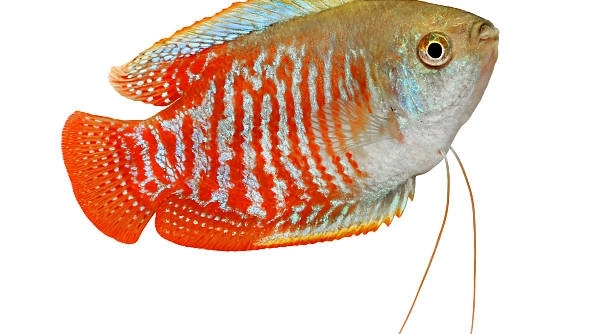
Gouramis are popular freshwater fish kept in home aquariums. Like many fish, they can experience stress caused by their environment. Certain sounds, often unnoticed by owners, can have a strong effect on their well-being.
Seven specific sounds are known to stress gouramis. These include loud bangs, tapping on the tank glass, sudden loud noises, high-pitched sounds, vibrations from nearby equipment, clanking objects, and persistent background noise. Each of these disrupts their natural calm.
Recognizing these stressors helps create a calmer habitat for your gourami and supports its overall health and comfort in the aquarium.
Loud Bangs and Sudden Noises
Loud bangs and sudden noises are among the most disturbing sounds for gouramis. These unexpected sounds trigger a strong stress response because gouramis rely on a calm environment to feel safe. A loud noise, such as a door slamming or something falling near the tank, can startle them and cause erratic swimming or hiding. Frequent exposure to these noises can lead to chronic stress, affecting their immune system and appetite. To minimize this, it helps to place the aquarium in a quiet area away from heavy foot traffic or loud appliances. Using a sound-dampening mat under the tank can also reduce vibrations caused by sudden impacts nearby.
Constant loud noises may lead to a weakened immune system in gouramis. Reducing noise exposure is essential for maintaining their health and well-being.
Reducing loud noises around the tank benefits gouramis by lowering their stress levels, improving their overall health, and promoting natural behavior. Keeping the environment peaceful supports a healthier and longer life for your fish.
Tapping on the Tank Glass
Tapping on the aquarium glass is a common sound that stresses gouramis. This noise is sharp and unnatural, making the fish feel threatened or alarmed. Even light tapping can cause stress because it produces vibrations and sudden noise, which disturb their calm. Tapping often occurs when owners try to get the fish’s attention or clean the tank. However, this practice should be avoided, as repeated tapping can lead to constant anxiety in gouramis.
Instead of tapping, try to approach the tank calmly and avoid sudden movements. Observing the fish quietly helps them feel secure without added stress.
Avoid tapping to maintain a quiet and stable environment for gouramis. This simple change can significantly reduce stress and encourage healthy, natural behavior.
If you want me to continue with the next parts, just let me know!
High-Pitched Sounds
High-pitched sounds can be particularly stressful for gouramis because their hearing is sensitive to frequencies that humans may barely notice. These noises may come from electronic devices, alarms, or even certain household gadgets. The sharpness of these sounds makes gouramis feel uneasy and disrupts their normal behavior.
When high-pitched sounds persist near the aquarium, gouramis may hide more often or show signs of agitation. This stress response can affect their eating habits and overall health. It’s important to identify any sources of these sounds and reduce their presence by relocating devices or using soundproofing materials around the tank area.
Keeping the environment free from persistent high-frequency noises helps gouramis maintain a calm and natural routine. Reducing this type of sound exposure supports their comfort and minimizes unnecessary stress.
Vibrations From Nearby Equipment
Vibrations from aquarium equipment such as filters or air pumps can cause continuous low-level stress to gouramis. Even if the noise is not loud, the shaking or humming transmitted through the tank’s structure can disturb the fish. Gouramis are sensitive to subtle movements, and constant vibrations may make them restless or avoid certain areas in the tank.
Proper placement and maintenance of equipment are crucial. Using vibration-absorbing pads or isolating devices from direct contact with the tank can significantly reduce transmitted vibrations. Regularly checking that equipment operates smoothly without excessive noise helps maintain a more peaceful environment.
Reducing vibrations leads to a healthier habitat where gouramis can swim freely and exhibit natural behaviors without signs of distress caused by subtle but ongoing disturbances.
Clanking Objects
Clanking noises near the aquarium can startle gouramis. These sudden metallic sounds create an environment that feels unsafe for the fish.
Such noises often come from dropped tools or moving furniture. Keeping the area around the tank free of these disruptions helps maintain a calm space for gouramis.
Persistent Background Noise
Persistent background noise, such as constant music or television, can wear down a gourami’s stress tolerance. Even if the volume is moderate, the unchanging sound creates a stressful environment over time. Gouramis thrive best in quiet or softly ambient surroundings where sudden or repetitive noises are minimized. Continuous noise exposure can affect their behavior, making them less active and more prone to hiding. Reducing or turning off background sounds, especially during rest periods, supports the fish’s health. Quiet surroundings contribute to a more natural and peaceful aquarium environment that fosters comfort and well-being.
Sudden Loud Noises
Sudden loud noises cause immediate fright in gouramis, triggering a strong stress reaction.
FAQ
What are common sounds that stress gouramis?
Gouramis are sensitive to several sounds, including loud bangs, tapping on the tank glass, high-pitched noises, vibrations from nearby equipment, clanking objects, sudden loud noises, and persistent background sounds. These noises disrupt their calm environment and can cause stress responses such as hiding or erratic swimming.
How can loud bangs affect my gourami?
Loud bangs trigger a startle response in gouramis. They may swim frantically or hide to escape perceived danger. Repeated exposure weakens their immune system and may reduce appetite. Avoid placing the aquarium in noisy areas and try to minimize sudden impacts near the tank.
Why is tapping on the tank harmful?
Tapping causes sharp vibrations and noise that gouramis interpret as threats. Even light tapping causes anxiety and distress. It’s important to avoid tapping to maintain a peaceful environment. Instead, observe the fish calmly without sudden noises.
Can household devices cause stress to gouramis?
Yes. Many household gadgets emit high-pitched sounds or vibrations that are difficult for humans to hear but stressful for gouramis. Electronics such as smoke detectors, alarms, and some kitchen appliances can contribute to stress if placed near the tank.
How do vibrations affect gouramis?
Vibrations from aquarium filters, air pumps, or nearby equipment transmit through the tank’s structure, disturbing gouramis. Constant vibrations create discomfort, making fish restless or causing them to avoid certain areas. Use vibration-absorbing pads or relocate noisy devices away from the tank.
Is constant background noise bad for gouramis?
Continuous sounds like music, TV, or fans create a stressful environment over time. Gouramis prefer quiet or gently ambient surroundings. Persistent noise lowers their activity levels and increases hiding. Reducing background noise, especially during rest periods, improves their well-being.
What should I do if my gourami seems stressed?
Identify and eliminate sources of stress such as loud noises or vibrations. Create a calm environment by placing the tank in a quiet location and limiting sudden sounds. Provide hiding spots and maintain stable water conditions. Monitor behavior and health regularly.
How important is tank location for reducing noise stress?
Tank placement is critical. Avoid busy or noisy rooms, areas near doors, or close to heavy appliances. A quiet, stable location reduces stress caused by sounds and vibrations. Soft furnishings nearby can help absorb noise.
Can stress from sounds lead to health problems?
Chronic stress weakens the immune system, making gouramis more susceptible to disease. It also affects appetite and growth. Minimizing stressful sounds supports overall health and longevity.
Are there tools to monitor aquarium noise?
Yes, sound level meters and vibration detectors can help identify noisy conditions. These tools allow owners to take corrective actions, ensuring a peaceful environment.
Can I train my gourami to ignore certain sounds?
Fish do not easily adapt to stressful noises. Consistent exposure usually increases anxiety. It is better to reduce or eliminate harmful sounds rather than expect adaptation.
Do all gouramis react the same way to noise?
Individual reactions vary, but most gouramis show signs of stress with loud or sudden sounds. Some may hide more, while others display erratic swimming or loss of appetite.
How quickly do gouramis recover from noise stress?
Recovery depends on stress duration and environment improvement. Short-term stress subsides quickly once calm returns. Chronic exposure requires longer recovery and careful monitoring.
Is it necessary to use soundproofing around the aquarium?
Soundproofing is helpful in noisy environments. Using mats, foam panels, or barriers reduces vibrations and noise. It creates a more comfortable space for gouramis.
How can I tell if noise is stressing my gourami?
Look for changes in behavior such as hiding, erratic swimming, loss of appetite, or lethargy. These signs often indicate stress caused by the environment, including sounds.
Can stress from noise affect breeding?
Yes, stressed gouramis are less likely to breed. A quiet and stable environment encourages natural breeding behaviors.
Are there natural ways to reduce noise stress in aquariums?
Adding plants and decorations can absorb sound and create hiding spots. Soft substrates and avoiding glass tapping help as well.
What is the best way to maintain a stress-free environment?
Regularly check for noise sources, keep equipment well-maintained, place the tank in a quiet area, and minimize human-caused noises near the aquarium.
Does water quality affect sensitivity to noise?
Poor water quality increases stress and lowers the fish’s ability to cope with noise. Maintaining clean water reduces overall stress.
Can other fish in the tank be affected by noise?
Yes, noise stresses all fish species. Creating a quiet environment benefits all tank inhabitants.
How often should I monitor my aquarium for noise-related stress?
Regular daily observation helps catch signs early. Make noise checks part of routine tank maintenance.
This FAQ provides straightforward answers to common concerns about sounds that stress gouramis, helping maintain a healthy aquarium environment.
Final Thoughts
Creating a calm environment for gouramis is essential for their health and well-being. These fish are sensitive to many types of sounds and vibrations that may seem minor to humans but can cause significant stress to them. By recognizing and minimizing these noises, it is possible to help gouramis feel more secure and comfortable in their tank. Quiet surroundings allow them to behave naturally, eat properly, and reduce the risk of illness related to stress. Maintaining a peaceful aquarium environment requires attention to details such as tank placement, equipment operation, and daily noise levels.
It is important to remember that stress from sounds is often a hidden issue. Gouramis may not show obvious signs immediately, but over time, constant noise can impact their behavior and health. Stress can cause loss of appetite, lethargy, or unusual hiding, all of which reduce their quality of life. Owners should be proactive in identifying potential sources of noise and take steps to eliminate or reduce them. Using vibration-absorbing materials, moving noisy devices away from the tank, and limiting sudden loud noises are practical ways to improve the environment. Regular observation and maintenance of the tank will help ensure these factors remain under control.
Ultimately, understanding how sound affects gouramis is a key part of responsible fish care. It is not enough to focus only on water quality and diet; the acoustic environment matters as well. Quiet tanks promote natural behaviors, reduce stress, and support long-term health. Taking simple steps to create a peaceful setting benefits gouramis and enhances the overall enjoyment of keeping them. Attention to noise levels combined with good husbandry practices leads to a thriving aquarium where gouramis can live calmly and healthily.

Hello,
If you enjoy the content that we create, please consider saying a "Thank You!" by leaving a tip.
Every little bit helps us continue crafting quality advice that supports the health, happiness, and well-being of pets around the world, for pets of all shapes, sizes, and species.
We really appreciate the kindness and support that you show us!