
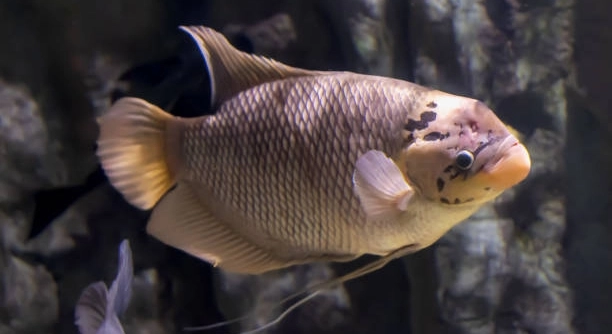
Gouramis are popular aquarium fish known for their unique behaviors, including flaring their fins. Observing these fish near plants is common and can sometimes puzzle owners. Understanding their behavior helps maintain a peaceful tank environment.
Gouramis flare at plants primarily to establish territory or display dominance. This behavior is a natural response to perceived rivals or intruders within their space. Plants provide visual boundaries, triggering the fish to assert control through flaring.
Recognizing why gouramis flare at plants can improve tank management and reduce stress among fish. This article explains the reasons behind this behavior and offers guidance for a balanced aquatic habitat.
Why Gouramis Flare at Plants
Gouramis use flaring as a way to communicate and establish boundaries within their environment. When they flare at plants, it often means they are marking their territory or reacting to what they perceive as a threat nearby. Plants act as natural barriers or hiding spots for other fish, so gouramis see them as part of their space to protect. This behavior is more common in males during breeding seasons but can occur anytime the fish feel the need to assert dominance. Flaring helps reduce physical confrontations by warning others to stay away. Watching their fins spread wide can be impressive, but it also signals their mood and intentions. Understanding this helps keep the tank calm and balanced, making it easier to care for gouramis properly.
Flaring at plants is a natural, instinctive behavior for gouramis. It helps maintain social order in their environment.
Controlling tank decorations and plant placement can reduce excessive flaring. Providing enough space and hiding spots allows gouramis to feel secure, minimizing stress. Avoid overcrowding and aggressive tank mates to keep peace. Regular observation of behavior helps spot any signs of tension early. If flaring seems excessive or aggressive, consider rearranging plants or adding more cover. Proper tank maintenance, including water quality and temperature, supports healthier fish. Each tank is unique, so adjustments might be necessary for a harmonious setup.
How to Manage Flaring Behavior
Flaring is normal but can become disruptive if frequent or intense.
Reducing triggers involves creating a well-planned environment. Choose the right plants that provide cover without blocking too much space. Taller plants in the background and shorter ones in the front help gouramis see their surroundings clearly. Arrange plants to create separate zones, allowing fish to establish personal territories. Monitor fish interactions closely to detect early signs of aggression. If necessary, remove or relocate aggressive fish to prevent stress. Providing enough swimming space and consistent feeding schedules also helps lower territorial disputes. These small changes can improve overall tank harmony and make your gouramis more comfortable.
Signs That Flaring Is a Problem
Occasional flaring is normal, but constant or aggressive flaring can stress fish. It may lead to injuries or affect their health.
When gouramis flare excessively, it often indicates stress or territorial disputes. This behavior can result from overcrowding, lack of hiding spaces, or incompatible tank mates. Persistent flaring can cause physical damage to fins and scales and weaken the fish’s immune system. It is important to observe their interactions and environment closely. If aggression increases, it might be necessary to adjust tank conditions or separate aggressive individuals. Addressing the cause early helps maintain a healthy and calm aquarium.
Overflaring may also disrupt other fish, causing general tank stress. Monitoring water parameters and ensuring proper diet support fish resilience. If necessary, increasing tank size or rearranging plants can reduce tension. Balancing social dynamics keeps gouramis and their tank companions healthy and comfortable.
Choosing the Right Plants for Gourami Tanks
Selecting plants that suit gouramis’ behavior can reduce flaring. Plants should provide cover while allowing open swimming areas.
Plants with broad leaves and sturdy stems, such as Anubias and Java fern, work well. These plants create visual barriers without overcrowding the tank. Floating plants also offer shelter and diffuse light, making gouramis feel safer. Avoid sharp or delicate plants that can injure fins during flaring. Good plant choice encourages natural behaviors and helps gouramis establish territories without constant stress. Proper plant care supports water quality and provides oxygen, benefiting all tank inhabitants. Thoughtful plant selection contributes to a balanced environment where gouramis can thrive.
Tank Setup and Plant Placement
Proper tank setup influences gouramis’ behavior around plants. Plants should be arranged to create clear spaces and hiding spots.
Avoid overcrowding the tank with too many plants. Leave open swimming areas to reduce territorial disputes. Group plants in clusters to form natural boundaries. This setup helps gouramis feel secure without constant flaring.
Understanding Gourami Temperament
Gouramis vary in temperament depending on species and individual personality. Some are more peaceful, while others can be territorial. Knowing your gourami’s nature helps in choosing compatible tank mates and arranging the environment to minimize stress.
Maintaining Water Quality
Clean water supports calm behavior in gouramis. Regular water changes and monitoring keep the environment stable and reduce stress-related flaring.
When to Seek Expert Advice
If flaring causes injury or persistent stress, consulting an aquatic specialist or veterinarian can help address underlying issues effectively.
FAQ
Why do gouramis flare at each other and plants?
Gouramis flare to communicate dominance and establish territory. When they see plants as part of their territory, they flare to warn other fish. This behavior helps prevent physical fights by showing strength visually. It is a natural way for gouramis to maintain social order in the tank.
Is flaring harmful to gouramis?
Flaring itself is not harmful if occasional. However, frequent or aggressive flaring can lead to stress, fin damage, and weakened immunity. Stress makes fish more vulnerable to diseases. It is important to manage the tank environment to reduce excessive flaring and keep fish healthy.
How can I reduce flaring in my gouramis?
Create a spacious tank with plenty of hiding spots and open swimming areas. Arrange plants to provide visual barriers without overcrowding. Avoid aggressive or territorial tank mates. Keep water quality stable and feed a balanced diet. Observing behavior and adjusting the environment can reduce flaring.
What plants are best for gourami tanks?
Plants like Anubias, Java fern, and floating species are ideal. They provide cover and diffuse light, helping gouramis feel secure. Avoid sharp or delicate plants that may injure fins during flaring. Proper plant care also improves water quality and tank health.
Can flaring indicate illness?
Sometimes flaring can signal stress caused by illness or poor water conditions. If gouramis flare more than usual or show other signs like lethargy or loss of appetite, check water quality and look for signs of disease. Prompt treatment is important.
Is it normal for gouramis to flare during breeding?
Yes, males often flare to show dominance and attract females during breeding. This behavior is temporary and usually more intense. Providing enough space and hiding places helps reduce stress during this period.
Should I separate gouramis that flare too much?
If flaring leads to injuries or constant stress, separating aggressive gouramis is advisable. Overcrowding increases territorial behavior, so keeping fewer fish or larger tanks helps. Separating fish can restore peace and prevent harm.
Does tank size affect flaring behavior?
Smaller tanks increase territorial disputes because fish feel crowded. Larger tanks with more space reduce competition and flaring. Providing enough room for each fish to establish its territory supports calmer behavior.
How often should I rearrange plants to reduce flaring?
Rearranging plants occasionally can help disrupt established territories and reduce aggression. However, frequent changes may stress the fish. Adjust plants slowly and observe behavior to find the best balance.
Can other fish cause gouramis to flare at plants?
Yes, aggressive or fast-moving tank mates can increase gouramis’ stress and flaring. Peaceful community fish are better companions. Avoid placing gouramis with fish that invade their space or compete aggressively.
What signs show that flaring is becoming a problem?
Signs include torn fins, visible injuries, constant chasing, and increased hiding. If gouramis appear stressed, lose appetite, or show color fading, flaring may be too intense. Adjusting tank conditions is necessary to improve their well-being.
Is it normal for gouramis to flare at their own reflection?
Yes, gouramis may flare at reflections in glass or shiny surfaces, mistaking it for a rival. Reducing reflections with tank decorations or adjusting lighting can help minimize this behavior.
How does diet affect flaring behavior?
A balanced diet supports overall health and reduces stress, which can lower aggressive behaviors like flaring. Feeding quality food regularly helps maintain stable energy levels and temperament in gouramis.
Can adding more plants reduce flaring?
Adding plants can provide extra cover and break sight lines between fish, which reduces territorial disputes. However, too many plants can overcrowd the tank and increase stress. Balance is key to creating a comfortable environment.
Are some gourami species more prone to flaring?
Yes, some species like the Three-spot gourami are more territorial and prone to flaring. Others, like dwarf gouramis, tend to be calmer. Knowing your species helps set expectations and manage behavior effectively.
What role does lighting play in flaring?
Bright lighting can increase visibility and trigger more flaring as fish see rivals clearly. Dimmer or diffused lighting helps reduce aggression by softening the environment and making fish feel safer.
Can water temperature impact flaring?
Yes, water temperature affects fish metabolism and behavior. Too warm or too cold water can stress gouramis, increasing aggressive behaviors like flaring. Keeping temperature stable within the ideal range supports calmness.
How long does flaring usually last?
Flaring typically lasts a few seconds to minutes as a warning display. Prolonged or frequent flaring indicates stress or unresolved conflicts that may require tank adjustments.
Is flaring behavior more common in male gouramis?
Males generally flare more than females, especially when defending territory or during breeding. Females flare less often and tend to be less aggressive.
What can I do if gouramis flare at plants but also damage them?
Use hardy plants with tough leaves to withstand contact. Monitor fish behavior and rearrange plants to reduce stress. Provide alternative hiding spots and enough swimming space to prevent damage.
Final Thoughts
Gouramis flaring at plants is a common behavior rooted in their natural instincts to establish territory and communicate with other fish. This behavior is not necessarily harmful if it occurs occasionally and does not lead to injury. Flaring can be a sign that gouramis are feeling comfortable enough to show dominance or protect their space. Understanding this behavior helps aquarists create a better environment for their fish, allowing them to coexist peacefully with plants and other tank mates. Proper tank setup, including the right choice and placement of plants, can significantly reduce unnecessary flaring and stress among gouramis.
Maintaining a balanced aquarium environment is essential for minimizing aggressive behaviors like flaring. Spacious tanks with clear swimming areas and ample hiding spots help gouramis feel secure. The choice of plants matters too; sturdy plants with broad leaves or floating plants tend to create natural barriers that reduce visual confrontation without overcrowding the tank. Keeping water quality stable and feeding a consistent, nutritious diet supports the overall health of gouramis, which in turn lowers stress and aggressive displays. It is also important to recognize the differences in temperament between gourami species and to plan tank mates accordingly.
Observing gouramis closely is key to ensuring their well-being. Occasional flaring is normal, but when it becomes frequent or aggressive, it signals the need for intervention. This may involve rearranging plants, reducing the number of fish in the tank, or even separating particularly aggressive individuals. Consulting aquatic specialists or veterinarians can provide additional guidance if problems persist. By addressing these factors thoughtfully, aquarists can foster a peaceful, healthy environment where gouramis thrive alongside their plants and tank companions.

Hello,
If you enjoy the content that we create, please consider saying a "Thank You!" by leaving a tip.
Every little bit helps us continue crafting quality advice that supports the health, happiness, and well-being of pets around the world, for pets of all shapes, sizes, and species.
We really appreciate the kindness and support that you show us!