
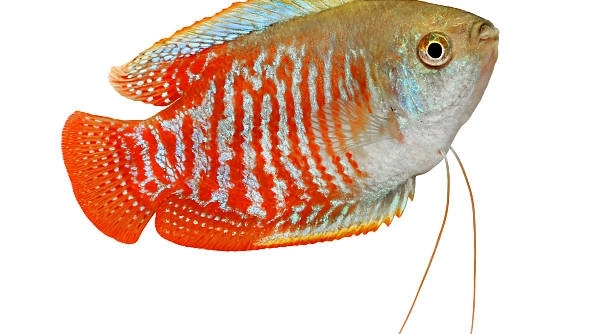
Have you ever set up a tank for your gourami and wondered if a heater is really necessary for their survival and comfort?
Gouramis can survive without a heater in warmer climates or well-insulated homes, but consistent temperatures are essential. Fluctuating or cold water can stress them, weaken their immune system, and lead to illness or shortened lifespan.
Maintaining proper conditions helps support your gourami’s health, behavior, and overall quality of life in their aquatic environment.
Why Temperature Matters for Gouramis
Gouramis are tropical freshwater fish that thrive in warm, stable temperatures. While they can tolerate slight changes, water that drops too low can impact their behavior, stress levels, and overall health. Ideally, the water temperature should stay between 74°F and 80°F. Without a heater, temperatures may fluctuate, especially at night or during colder months, putting your fish at risk. Constant exposure to cooler temperatures can weaken their immune system and make them more prone to disease. Even if your home feels warm to you, aquarium water tends to cool faster than room air. This means that even mild drops in temperature can become uncomfortable for your gourami over time. Using a heater ensures the water stays in a safe, consistent range. It’s a simple way to create a healthy and stress-free environment for your fish, especially if you live in a place where indoor temperatures often drop below 74°F.
Cooler temperatures can slow your gourami’s movements and appetite, and long-term exposure may lead to infections or lethargy.
If your gourami lives in a cooler room, it’s best to use an adjustable heater. This will help maintain consistent warmth year-round, preventing unnecessary stress. Keep a thermometer in the tank so you can monitor temperature changes daily. Cold snaps can happen unexpectedly, and without a heater, your fish could be left vulnerable. Sudden changes in water temperature are especially hard on gouramis because they don’t adapt quickly. If you’re trying to save on equipment, keep the tank in a room that stays consistently warm. Even so, a heater is often the safer option. It doesn’t need to run constantly—just enough to maintain balance. Look for a small, submersible heater that fits your tank size. It’s an easy investment that can make a big difference in your gourami’s comfort and lifespan.
When a Heater Might Not Be Necessary
If you live in a warm climate where the room temperature stays stable, your gourami might do well without a heater.
However, it’s still important to keep a close eye on the water conditions. Just because the air feels warm doesn’t mean the tank water will match it. Tanks near windows or doors can experience drafts, and even daily changes in room temperature can lead to stress. Small tanks lose heat faster than larger ones, so they’re more affected by cooler nights. If you choose to go without a heater, place the tank away from cold areas and consider using insulation materials around it. A thermometer is essential. Checking it every day helps ensure your gourami is comfortable. If you notice slower movement, less interest in food, or hiding behavior, the water may be too cool. In this case, it’s better to add a heater than risk your fish’s health. Consistency is key to keeping your gourami active and thriving.
Choosing the Right Heater for Your Gourami Tank
A good heater should match your tank size and keep the temperature steady. Look for adjustable models that let you control the heat easily. Submersible heaters are a safe and reliable choice for most home aquariums.
When picking a heater, check the wattage based on your tank’s gallons. A general rule is 3 to 5 watts per gallon. For a 20-gallon tank, a 75-watt heater usually works well. Heaters with built-in thermostats are helpful because they automatically turn off when the water reaches the desired temperature. Place the heater near a filter or water flow to distribute the warmth evenly. After installing, wait at least 20 minutes before plugging it in to avoid damage. Make sure the heater is fully submerged unless labeled otherwise. Having a separate thermometer helps you double-check the water temperature daily. Heaters don’t last forever, so monitor them and replace when needed.
Some heaters come with indicator lights, which let you know when the unit is on and heating. This feature can be useful for quick visual checks. Digital heaters with temperature displays can also offer more precision. In larger tanks, using two smaller heaters instead of one big one can help keep the heat more balanced and reduce the risk of failure. If one stops working, the second can help prevent a sudden drop in temperature. It’s also important to choose a heater rated for aquarium use—not one meant for other purposes. If you’re setting up a backup plan, consider a battery-powered air pump or thermal blankets for emergencies. Stable warmth is not only safer for your gourami but also helps prevent unnecessary health issues from temperature swings. A reliable heater takes the guesswork out of daily tank care.
Monitoring Tank Temperature Consistently
Consistent temperature monitoring helps catch issues early and avoid problems. Use an aquarium thermometer that’s easy to read and place it where you can check it at a glance. Digital thermometers often give quicker, more accurate readings.
Avoid relying solely on your heater’s thermostat. Heaters can malfunction over time without warning. A separate thermometer keeps you in control and helps you notice temperature changes before they affect your gourami. Check the temperature every day, especially during seasonal shifts. Rapid changes can lead to stress or illness in your fish. Even small drops below 74°F can affect your gourami’s health and behavior. Place the thermometer away from the heater for a balanced reading, since areas near the unit tend to show slightly higher numbers. If you notice a drop or spike, adjust the heater or room conditions quickly. Keeping a stable temperature takes just a few seconds of checking, but it makes a big difference over time.
Signs Your Gourami Is Too Cold
If your gourami becomes sluggish or stops swimming around the tank, it may be reacting to cold water. Reduced movement and staying near the bottom are early signs that something isn’t right with the temperature.
Loss of appetite is another warning. If your gourami suddenly ignores food or eats much less than usual, check the water temperature immediately. Chilly conditions can slow their metabolism and weaken their immune system.
How Room Temperature Affects the Tank
Even if your home feels warm, room temperature can still cause the tank to cool too much—especially overnight. Most indoor rooms stay between 68°F and 72°F, which is lower than the ideal range for gouramis. Tank water usually stays a few degrees cooler than the surrounding air, meaning your fish might be living in water that feels cold to them. Drafts, open windows, or seasonal changes can also create sudden drops that aren’t safe. If your tank sits near a window, door, or air vent, the water will lose heat faster. Heaters prevent this by automatically maintaining the right temperature.
How to Check for Temperature Drops
Use a thermometer to check the water each day. A small drop might seem minor, but it can make your gourami uncomfortable quickly.
FAQ
Can gouramis survive without a heater in warm climates?
Yes, in consistently warm climates where room temperatures stay between 74°F and 80°F, gouramis may survive without a heater. However, it’s still risky. Sudden temperature drops at night or during storms can stress your fish or weaken their immune system. Even in warm regions, water temperatures tend to fluctuate more than the air. A heater helps stabilize the tank and keeps your gourami comfortable day and night. If you decide not to use one, monitor the water temperature closely with a thermometer, especially during seasonal shifts or colder months. Stability matters more than short-term warmth.
What temperature is too cold for gouramis?
Anything below 72°F is generally too cold for gouramis. At these lower temperatures, they may become less active, eat less, or even develop health issues. Ideally, their tank should stay between 74°F and 80°F. Dips below 70°F can cause stress, which increases the risk of infections. If the water gets into the mid or low 60s, their organs can be affected, and recovery becomes difficult. Even if they survive occasional drops, long-term exposure to cold water can shorten their lifespan. Always check the thermometer daily to ensure the water stays in a safe range.
Can I use a room heater instead of an aquarium heater?
Using a room heater is not the same as using an aquarium heater. Room heaters can warm the air, but they don’t heat water efficiently. Your tank water will still likely be a few degrees cooler than the room. This difference might not matter in small tanks, but it becomes more noticeable in larger ones. Room heaters also can’t maintain a consistent temperature, especially overnight or when windows are open. An aquarium heater is designed to work directly in the water and can adjust as needed to keep the environment stable for your gourami.
How do I know if my heater is working properly?
Check the thermometer first. If the temperature remains steady and within the target range, your heater is likely working. Some heaters have indicator lights that turn on when heating and off when idle. If you notice wide temperature swings or cold water despite the heater being on, it may be failing. Feel the outside of the heater (without touching the heating element directly) to see if it’s warm. Replace the unit if you suspect it’s faulty. Always keep a backup thermometer and monitor the temperature daily to catch problems early.
Are there heater-free methods to keep my gourami warm?
There are a few heater-free methods, but they’re not always reliable. Keeping the tank in a warm room away from drafts and windows helps. You can also cover the tank with a lid to retain heat and use an insulating tank mat underneath. Another trick is using a tank hood light that gives off gentle warmth during the day. However, these methods don’t offer consistent, round-the-clock control like an actual heater. If the room temperature changes, so will the tank. For long-term health and comfort, a heater remains the most dependable solution.
How often should I check the water temperature?
You should check the temperature at least once a day. Early morning is a good time, since room temperatures usually drop overnight. Checking more often is helpful if your area has unstable weather or if your tank is in a drafty location. Use a reliable thermometer—digital or stick-on types are both fine. Make it a habit, like feeding your gourami. Sudden temperature changes are one of the most common causes of stress in tropical fish, so catching those shifts early makes a big difference in preventing illness and keeping your tank stable.
Final Thoughts
Keeping gouramis in a tank without a heater might seem like a simple choice, especially if you live in a warm area. But even in places with steady weather, indoor temperatures can change more than expected. A heater helps reduce that risk by keeping the water warm and steady all the time. It acts as a safety net for your fish, especially at night or during unexpected weather drops. While it’s possible to keep gouramis without a heater in very specific conditions, most tanks will benefit from having one installed.
Gouramis are tropical fish that do best in warm water. If the temperature dips too low, their health can quickly decline. They might become sluggish, stop eating, or become more prone to infections. Using a reliable heater helps prevent these problems by giving you better control over the tank conditions. It doesn’t need to be an expensive setup either—there are many affordable heaters that do a great job for small or medium tanks. It’s also easy to keep track of things by checking the water temperature once or twice a day with a simple thermometer.
A heater is not just for keeping your gourami comfortable—it’s also about giving you peace of mind. You won’t have to worry every time the weather changes or if your room cools down more than expected. Stable temperatures support your fish’s overall health and make it easier to manage the tank. Without a heater, you might need to make frequent adjustments to keep things safe, which can be stressful and hard to maintain. In the long run, using a heater makes caring for your gourami much easier and more reliable. It helps create a calm and stable home for them, so they can stay active, eat well, and live longer.

Hello,
If you enjoy the content that we create, please consider saying a "Thank You!" by leaving a tip.
Every little bit helps us continue crafting quality advice that supports the health, happiness, and well-being of pets around the world, for pets of all shapes, sizes, and species.
We really appreciate the kindness and support that you show us!