
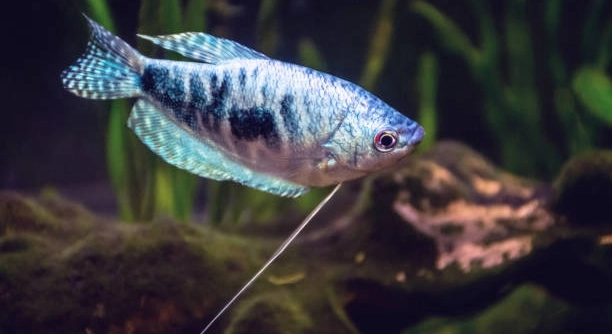
Feeding gourami fish requires understanding their needs and creating a routine. Ensuring they receive the right amount of food will contribute to their health and well-being. This article will explore the best practices for feeding your gourami.
Gourami fish should be fed two to three times a day, with the portions tailored to their size and activity level. It is important to avoid overfeeding to prevent water contamination, as excess food can lead to poor water quality and health issues.
The frequency and amount of food for your gourami can influence their overall health. Understanding these feeding practices will ensure your fish thrive and avoid common feeding mistakes.
Feeding Your Gourami: Finding the Right Routine
Gourami fish thrive when fed on a consistent schedule. It’s important to create a feeding routine based on their size, age, and activity level. Typically, adult gouramis should be fed two to three times per day, while younger or more active fish may require slightly more. Offer small portions that your gourami can eat in a few minutes. Overfeeding can cause uneaten food to decompose, polluting the water and affecting the overall health of your aquarium. Keep a close eye on how much your fish are eating, adjusting the portions as necessary. Additionally, use high-quality pellets or flakes specifically designed for gourami to ensure a balanced diet.
While feeding habits can vary, it’s best to avoid feeding your gourami large amounts of food at once. A consistent, controlled feeding routine will keep your fish healthy and active.
Maintaining clean water is just as important as regular feeding. Make sure to remove any uneaten food promptly and regularly test the water to ensure the environment remains safe for your fish. This will support their long-term health.
Types of Food for Your Gourami
Feeding your gourami the right food ensures they stay healthy and strong. Gourami can eat a variety of foods, including high-quality flakes, pellets, and live or frozen options like brine shrimp and daphnia. Offering a range of foods adds variety to their diet, but be cautious not to overfeed. Providing fresh food regularly can improve their color and overall health. Fresh, live food offers nutrients that dry foods may lack, so incorporate it as a supplement to their primary diet.
When selecting food for your gourami, it’s important to consider their size and dietary needs. Make sure the food is small enough for them to eat easily. Additionally, always look for food that is rich in essential nutrients like proteins, vitamins, and minerals, which are crucial for their growth and well-being. Avoid overfeeding to prevent water quality issues.
Feeding Schedule for Your Gourami
A regular feeding schedule is key to maintaining your gourami’s health. Feed them small portions two to three times a day. Avoid feeding them large amounts in one sitting, as this can lead to overfeeding and water pollution. Timing is important, and sticking to a set schedule helps your fish develop healthy feeding habits.
Consistency in their feeding times is essential for their overall health. Set specific times each day to feed your gourami, and try to avoid changing the routine too often. Regular feeding helps maintain their metabolism and keeps them active. If you skip a feeding, it’s not a major issue, but don’t overcompensate by feeding too much the next time. Adjust the portions depending on the size and activity level of your gourami to keep them healthy.
Types of Food to Offer
Offering a variety of foods helps keep your gourami healthy. Quality pellets or flakes designed for gourami should be the staple of their diet, but you can supplement their meals with live or frozen options like brine shrimp. The mix of dry and live food ensures they get essential nutrients.
Live food can be particularly beneficial for your gourami, as it offers additional proteins and nutrients that dry food might lack. Offering frozen brine shrimp or daphnia once a week can provide variety and support their health. Be sure to feed them food that suits their size to prevent any choking or digestive issues. Keeping a mix of foods is not only nutritious but also mentally stimulating for your fish.
Feeding Frequency Based on Age
Young gouramis require more frequent feedings compared to adults. Feed juveniles three times a day, offering smaller portions that they can consume in a few minutes. As they grow, you can reduce the feedings to twice daily, depending on their size and activity level.
Feeding frequency may also vary based on the fish’s environment. In larger aquariums with plenty of natural food, you may feed your gourami less often. Always ensure they have enough food to stay healthy, but avoid overfeeding, as excess food can degrade water quality and lead to health issues.
Signs of Overfeeding
Overfeeding can lead to poor water quality, which directly impacts your gourami’s health. Look for uneaten food floating in the tank or sinking to the bottom. This is a clear sign that you’re feeding them too much. In this case, reduce the portion size.
Excess food can also cause your gourami to become sluggish and may even lead to obesity. If your fish stop swimming around actively or seem uninterested in food, overfeeding could be the issue. Adjust their meals and keep the tank clean to maintain a healthy environment.
FAQ
How much should I feed my gourami?
The amount of food you give your gourami depends on their size and activity level. A good rule is to provide as much food as they can eat in 2-3 minutes. Feed them two to three times a day for adults, and more frequently for younger gouramis. Avoid leaving excess food in the tank, as it can lead to water pollution.
Can I overfeed my gourami?
Yes, overfeeding is a common issue. Excess food will not only pollute the water but may also cause health problems for your fish. If you notice leftover food in the tank or if your gourami seems sluggish or bloated, reduce the amount you’re feeding. Regular water changes will help manage any excess food that remains.
What type of food is best for gourami?
Gouramis enjoy a balanced diet consisting of high-quality pellets, flakes, and occasional live or frozen foods like brine shrimp, daphnia, or bloodworms. Pellets or flakes designed for gouramis are the best choice for their main diet. Supplementing with live or frozen food every few days offers variety and additional nutrients.
How often should I feed my young gourami?
Young gouramis need more frequent feedings to support their growth. You can feed them three times a day, offering smaller portions. As they grow older and their metabolism slows down, you can reduce the feedings to two times a day. Always monitor their eating habits to ensure they aren’t overfed.
How can I tell if my gourami is getting enough food?
Your gourami should be active and eating at each feeding time. If they are not interested in food or appear thin, it could be a sign they need more. A healthy gourami will actively swim towards the food and consume it within a few minutes. If the food is left uneaten, adjust the portion size.
Can gouramis eat vegetables?
Yes, gouramis can eat some vegetables, but it’s not their primary food source. You can offer blanched spinach, zucchini, or peas as an occasional treat. Be sure to remove any uneaten vegetables from the tank to avoid water contamination.
How long can my gourami go without food?
Gouramis can survive for several days without food, especially if they are healthy and well-fed beforehand. However, extended periods without food should be avoided. If you’re going on vacation, consider using an automatic feeder or ask someone to feed your fish for you. Do not leave them without food for longer than a week.
Do gouramis need live food?
While live food is not strictly necessary for gouramis, it can be a beneficial addition to their diet. Live food like brine shrimp or daphnia provides extra nutrients and encourages natural hunting behavior. It also keeps the diet interesting for your gourami. However, it should only be offered in moderation to prevent overfeeding.
Why is my gourami not eating?
If your gourami isn’t eating, it could be due to several reasons. Check the water quality; poor water conditions can cause loss of appetite. Stress from tank mates or a change in the environment could also lead to reduced feeding. If the issue persists, it’s a good idea to consult a vet specializing in fish health.
Can I feed my gourami only pellets?
Pellets can serve as the main part of your gourami’s diet, but it’s best to offer variety. While high-quality pellets are nutritionally balanced, including flakes, live, or frozen food will provide additional nutrients that pellets alone may lack. Variety helps keep your fish healthy and engaged.
How do I know if I’m overfeeding my gourami?
If you see uneaten food floating in the tank or sinking to the bottom, it’s a sign of overfeeding. Another indicator is if your gourami becomes lethargic or bloated. Overfeeding leads to poor water quality, which can make your fish susceptible to diseases. Adjust the portion size accordingly.
Final Thoughts
Feeding your gourami the right amount of food is crucial to their overall health and well-being. Establishing a regular feeding schedule is essential, as it helps your fish develop healthy eating habits. By feeding them small portions multiple times a day, you avoid overfeeding and prevent water contamination. The goal is to ensure that your gourami gets the nutrients they need without compromising the quality of the water they live in. It’s also important to offer variety in their diet, including quality pellets, flakes, and the occasional live or frozen food. This balance keeps your gourami healthy, happy, and active.
Another key point is monitoring the water quality regularly. Overfeeding can lead to excess food in the tank, which decays and impacts the water. Uneaten food can pollute the tank, making it a breeding ground for harmful bacteria and toxins. To avoid this, always check for leftover food after each feeding. If your gourami isn’t eating or seems uninterested in food, adjust the portion size or review the water conditions. Sometimes poor water quality can be the reason for a decrease in appetite. Regular water changes and a good filtration system will help maintain a clean and safe environment for your fish.
Lastly, remember that each gourami is unique, and feeding habits may vary depending on their age, size, and activity level. Young gouramis require more frequent feedings, while adults can thrive on a twice-daily routine. Pay attention to how your fish respond to the food and adjust accordingly. Keep an eye on their health, activity levels, and appetite to ensure they’re getting the proper nutrition. Feeding your gourami with care and consistency will ensure they live a long, healthy life in your aquarium.

Hello,
If you enjoy the content that we create, please consider saying a "Thank You!" by leaving a tip.
Every little bit helps us continue crafting quality advice that supports the health, happiness, and well-being of pets around the world, for pets of all shapes, sizes, and species.
We really appreciate the kindness and support that you show us!