
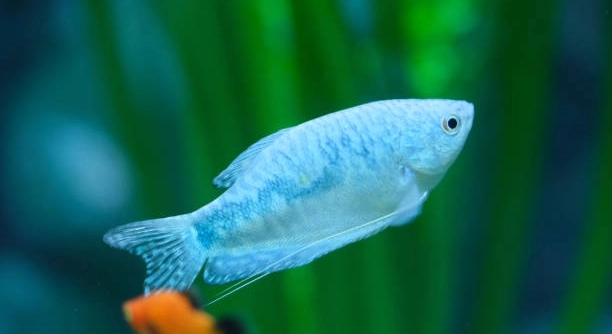
Gouramis are popular freshwater fish that can sometimes show signs of stress or agitation in home aquariums. Maintaining a calm environment is essential for their well-being. This article outlines practical methods to help soothe your gourami effectively.
Stress in gouramis is often caused by poor water quality, inadequate tank size, or aggressive tank mates. Addressing these factors through regular maintenance, proper habitat setup, and careful observation reduces stress and promotes calmer behavior in these fish.
Applying these simple steps can improve your gourami’s comfort and health, ensuring a peaceful and thriving aquarium environment.
Improve Water Quality
Maintaining clean water is crucial for calming your gourami. Dirty or polluted water causes stress and health problems. Regular water changes help remove toxins like ammonia and nitrates. Test the water weekly to ensure parameters like pH, ammonia, nitrite, and nitrate levels are within safe ranges. Use a reliable water conditioner to eliminate chlorine and chloramines from tap water. Proper filtration is also important. Choose a filter suitable for your tank size and ensure it does not create a strong current, as gouramis prefer gentle water flow. Keeping the environment stable helps your fish feel secure and reduces aggressive or frantic behavior. Avoid overfeeding, as excess food decays and lowers water quality. A clean tank supports a calmer and healthier gourami overall.
Regular maintenance of water quality directly contributes to your gourami’s comfort and calmness in its environment.
Proper water conditions are foundational for a peaceful aquarium. When water quality is stable, gouramis display natural behaviors and have a stronger immune system. In contrast, poor water conditions increase susceptibility to disease and stress. Monitoring and adjusting water parameters ensures a healthy habitat. Filter upkeep prevents clogging and maintains good water flow, which is vital. Aim for weekly partial water changes of about 20–30% to keep conditions optimal. Balancing feeding amounts prevents waste buildup, keeping the tank cleaner. Overall, consistent attention to water quality enhances your gourami’s well-being and tranquility.
Create a Suitable Tank Environment
Gouramis thrive best in tanks with plenty of plants and hiding places. A well-structured environment reduces stress and encourages natural behavior.
Adding live or artificial plants creates cover and mimics their natural habitat. Provide hiding spots using decorations or caves. Keep the tank size appropriate for the species—larger gouramis need bigger tanks. Avoid overcrowding, as too many fish increase tension and stress levels. Stable temperature and lighting also matter; sudden changes can upset your gourami. Aim for consistent conditions to keep your fish calm and healthy. A comfortable environment makes a significant difference in their behavior and overall mood.
Monitor Tank Mates
Choosing compatible tank mates is essential for a calm gourami. Aggressive or overly active fish can stress your gourami and trigger defensive behavior. Avoid housing gouramis with fin-nippers or territorial species.
Keeping peaceful fish nearby helps maintain harmony. Small tetras, rasboras, and peaceful bottom dwellers usually coexist well. Observe interactions regularly to ensure no bullying occurs. If aggression is noticed, separate the fish immediately to prevent injury and stress. Proper community selection supports a balanced tank where gouramis can relax and thrive without constant threats.
Compatibility promotes calmer fish behavior. Stress from aggressive neighbors can weaken gouramis’ immune systems, increasing disease risk. A well-planned community tank encourages natural, peaceful activity. Knowing your gourami’s temperament and selecting suitable tank mates prevents unnecessary tension. Regularly checking fish interactions allows early detection of conflicts. This approach safeguards your gourami’s health and reduces stress-related behavior, helping the fish live comfortably in its shared environment.
Maintain Consistent Feeding Routine
A regular feeding schedule benefits gouramis’ well-being and reduces stress caused by hunger or overeating. Feeding the same amount at consistent times each day creates predictability.
Avoid overfeeding, as leftover food pollutes water and harms fish health. High-quality flakes, pellets, and occasional live foods meet nutritional needs. Feed small portions that the gourami can finish within a few minutes. Observe your fish’s appetite and adjust accordingly. Consistency supports digestion and energy levels while preventing aggression during feeding times.
Proper nutrition stabilizes behavior. Gouramis receiving balanced diets show fewer signs of stress and improved coloration. Feeding at the same times helps maintain a daily rhythm, reducing anxiety. Inconsistent feeding can cause competition or hunger stress, disrupting the tank’s peace. A steady routine benefits your gourami’s health, mood, and overall calmness.
Reduce Noise and Vibrations
Loud noises and vibrations around the tank can stress gouramis. Keep the aquarium in a quiet area away from heavy foot traffic or loud electronics. Minimizing sudden sounds creates a more peaceful environment for your fish.
Use a tank stand with rubber padding to absorb vibrations. Avoid tapping on the glass or sudden movements near the aquarium. These simple actions help maintain a calm atmosphere.
Provide Proper Lighting
Gouramis prefer moderate lighting that mimics their natural habitat. Avoid overly bright or flickering lights, which can cause stress and agitation. Use timers to maintain a consistent light-dark cycle, supporting their natural rhythms and comfort.
Regular Health Checks
Watch your gourami for signs of illness or stress such as clamped fins or lethargy. Early detection allows for prompt treatment and reduces prolonged discomfort. Healthy fish tend to be calmer and more active.
FAQ
How can I tell if my gourami is stressed?
Signs of stress in gouramis include rapid gill movement, hiding more than usual, loss of appetite, clamped fins, and erratic swimming. Stress may also cause color fading or increased aggression. Observing these behaviors early can help you address the causes and improve your fish’s environment promptly.
What water parameters are best for gouramis?
Gouramis thrive in water with a temperature of 74–82°F (23–28°C), pH between 6.0 and 7.5, and soft to moderately hard water. Stable conditions within these ranges support their health and reduce stress. Regular testing helps maintain these parameters and prevents sudden changes.
How often should I change the water in my gourami tank?
A weekly partial water change of about 20–30% is recommended. This removes waste and keeps toxin levels low. Avoid changing too much water at once, as sudden shifts can stress the fish. Consistent maintenance keeps the environment stable.
What is the best diet for a gourami?
A balanced diet of high-quality flakes or pellets designed for tropical fish works well. Supplement with occasional live or frozen foods such as brine shrimp, bloodworms, or daphnia to provide variety and extra nutrients. Feeding small amounts twice daily supports good health.
Can gouramis live with other fish?
Yes, gouramis can live peacefully with compatible tank mates. Choose non-aggressive, similarly sized fish such as small tetras, rasboras, or peaceful bottom dwellers. Avoid fin-nippers or overly territorial species. Monitor interactions regularly to prevent stress.
How important is tank size for gouramis?
Tank size matters. Most gouramis need at least 20 gallons to swim comfortably. Larger species require bigger tanks. Crowded tanks cause stress and increase aggression. Providing ample space promotes natural behavior and reduces tension among fish.
What should I do if my gourami is acting aggressively?
Aggression often stems from stress, overcrowding, or incompatible tank mates. Increase hiding places, remove aggressive fish, and ensure the tank is not overcrowded. Sometimes separating the aggressive gourami temporarily can help calm the situation.
Why do gouramis sometimes gasp at the surface?
Gasping at the surface may indicate low oxygen levels or poor water quality. Ensure your tank has proper aeration and filtration. Regular water changes and avoiding overfeeding help maintain good oxygen levels. This behavior should be addressed quickly to prevent health issues.
How do I handle sudden changes in gourami behavior?
Sudden changes usually signal stress or illness. Check water quality, tank mates, and feeding routine. Look for signs of disease and isolate sick fish if necessary. Acting promptly can prevent further problems and help your gourami recover faster.
Can lighting affect gourami stress levels?
Yes, inappropriate lighting can cause stress. Bright or flickering lights disrupt their natural rhythm. Using moderate, consistent lighting with a regular day-night cycle helps keep gouramis calm and supports normal behavior.
These answers provide practical information to support your gourami’s well-being and maintain a peaceful tank environment. Regular care and observation are key to preventing stress and ensuring your fish thrive.
Final Thoughts
Maintaining a calm environment for your gourami is essential for its health and well-being. Stress can lead to illness, behavior changes, and a shortened lifespan. Taking simple steps such as monitoring water quality, choosing compatible tank mates, and providing a suitable habitat creates a stable setting where your gourami can thrive. Regular care and attention prevent common problems that often cause stress. This stability helps your fish remain peaceful and display natural behaviors, which are signs of good health.
Consistency in routine is another important factor. Feeding your gourami at regular times, maintaining proper lighting, and performing scheduled water changes all contribute to a predictable environment. Gouramis respond well to consistency, which reduces anxiety and helps them feel secure. Sudden changes, such as fluctuating water parameters or unexpected noises, can startle your fish and lead to stress. A steady routine promotes a calm atmosphere that benefits not only your gourami but the entire aquarium community.
Ultimately, observing your gourami closely allows you to spot early signs of stress or health issues. Paying attention to their behavior, appetite, and physical appearance provides valuable clues. Addressing problems promptly prevents long-term damage and keeps your fish comfortable. A well-maintained tank with thoughtful care fosters a peaceful space for your gourami, ensuring it remains a vibrant and enjoyable part of your aquarium. These efforts make a meaningful difference in your fish’s quality of life and your overall aquarium experience.

Hello,
If you enjoy the content that we create, please consider saying a "Thank You!" by leaving a tip.
Every little bit helps us continue crafting quality advice that supports the health, happiness, and well-being of pets around the world, for pets of all shapes, sizes, and species.
We really appreciate the kindness and support that you show us!