
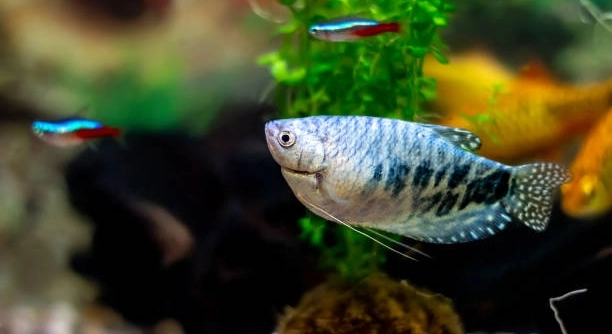
Gourami fish are popular for their peaceful nature and beautiful appearance. However, they may sometimes exhibit unusual behavior, such as glass surfing. This can be concerning, especially for new aquarium owners. Understanding the reasons behind this behavior is important.
Glass surfing in gouramis is often caused by stress or poor water conditions. It can also be a sign of a lack of space, oxygen, or environmental enrichment. Addressing these factors can help alleviate this behavior and promote a healthier environment for your fish.
Understanding the causes of glass surfing can lead to more effective solutions. Proper care and a suitable environment will help keep your gourami calm and happy.
Understanding the Causes of Glass Surfing
Glass surfing in gouramis is often a result of poor water quality or environmental stress. It can also happen when the fish feel confined or lack proper stimulation. Gouramis are naturally curious and need space to explore. If their tank is too small or not properly maintained, they may start swimming frantically along the tank glass. Overcrowding and poor water parameters such as high ammonia or low oxygen levels can also contribute to this behavior. To prevent glass surfing, make sure your tank has enough room for your gourami to move freely, and ensure proper filtration and water quality.
Even small changes in their environment can have a significant impact on gouramis. Stress from poor water conditions or overcrowding can lead to anxiety, which may cause them to swim against the glass. Addressing these factors will improve your fish’s health and reduce the risk of stress-related behavior.
How to Improve Your Gourami’s Environment
A properly sized tank is key to your gourami’s well-being. Provide a minimum of 20 gallons for a single fish to ensure they have space to swim comfortably. Keep the water clean by performing regular water changes. Use a reliable filtration system to maintain good water quality and oxygen levels. Ensure the tank has plants or decorations to create hiding spots and visual barriers, reducing stress and boredom. Maintaining a stable temperature and pH level will also help your gourami thrive.
Creating an enriching environment with plants, decorations, and hiding spots will keep your gourami happy and engaged. With proper care, they will spend less time near the glass and focus on exploring their tank. Regular water testing and attention to their needs will prevent future stress.
The Role of Tank Mates
Adding tank mates can influence your gourami’s behavior. Certain fish are more aggressive and territorial, which can cause stress to your gourami. Aggressive tank mates may lead to glass surfing as the fish try to escape perceived threats. It’s important to choose peaceful species that won’t overwhelm your gourami.
When selecting tank mates, focus on non-aggressive species that won’t compete for food or territory. Consider fish like tetras, rasboras, or peaceful catfish. Avoid adding large, fast-moving fish that may intimidate the gourami. Creating a peaceful and balanced community will reduce stress and prevent the need for glass surfing.
Some fish species are more likely to stress out gouramis, leading them to swim against the glass. Overcrowded tanks, especially with incompatible species, can exacerbate the problem. If your gourami is constantly hiding or darting around the tank, consider rearranging the decorations to break up territories. This can help reduce aggressive behavior and improve the overall tank environment.
Proper Feeding Habits
Overfeeding can lead to poor water quality and unwanted stress. Gouramis are small fish and do not need large amounts of food. It’s important to feed them the right amount to avoid polluting the water. Uneaten food can decompose and harm the water quality.
Feeding your gourami properly is crucial for their well-being. Offer small portions of food twice a day and remove any excess food after a few minutes. Use high-quality fish food tailored to their dietary needs. Keep track of their feeding habits and adjust portions accordingly to avoid waste. Clean the tank regularly to maintain a healthy environment.
Overfeeding can lead to excess nutrients in the water, which causes algae growth and lowers oxygen levels. Gouramis, like most fish, are sensitive to changes in water quality. Make sure to feed them a balanced diet and keep track of how much they eat. Keeping their diet consistent will promote healthy behavior and reduce stress.
Water Temperature and Quality
Maintaining the right water temperature is crucial for gouramis. If the water is too cold or too hot, it can stress the fish, causing them to display unusual behavior like glass surfing. Consistent temperature control is key to preventing these issues.
Ensure your tank temperature stays between 74°F and 82°F. Use a reliable heater and thermometer to monitor the conditions. Sudden changes in temperature can shock your gourami and trigger stress responses. It’s also important to keep the water clean by regularly testing the pH and ammonia levels. Poor water quality will make them more likely to engage in glass surfing.
Tank Size and Space
Gouramis need plenty of space to feel comfortable. A small tank can make them feel trapped and increase stress levels, leading to glass surfing. The more space they have, the more likely they are to feel secure and behave normally.
A 20-gallon tank is the minimum recommended for a single gourami. If you have multiple gouramis or other tank mates, a larger tank is necessary. Providing adequate space will allow your fish to swim freely, reducing the stress that leads to glass surfing. Larger tanks also make it easier to maintain water quality.
Filtration and Oxygen Levels
Proper filtration and oxygenation are essential for your gourami’s health. Without these, the water can become stagnant, causing stress and poor behavior. A good filter will keep the water clean, while proper aeration ensures the oxygen levels stay high enough for your fish to thrive.
Choose a filter that is appropriate for the size of your tank. Gouramis prefer moderate water movement, so avoid filters that cause strong currents. Install an air pump or bubbler if necessary to improve oxygen flow. Maintaining clean, well-oxygenated water is essential for their comfort and well-being.
FAQ
Why is my gourami constantly swimming at the glass?
Glass surfing in gouramis is often caused by stress or a poor environment. Factors like overcrowding, poor water quality, or inadequate tank size can make your gourami feel trapped or uncomfortable, leading to glass surfing. To resolve this issue, improve water conditions, ensure the tank is large enough, and provide adequate hiding spots for your fish.
Can my gourami be stressed from other fish?
Yes, certain tank mates can stress out your gourami. Aggressive fish or species that compete for food or space can cause anxiety. Stressful interactions can result in glass surfing as your gourami tries to escape the perceived threat. Choose peaceful, compatible fish that won’t disturb your gourami’s calm nature.
Is glass surfing dangerous for my gourami?
While glass surfing itself may not be harmful, it is a sign that your gourami is stressed or uncomfortable. Long-term stress can weaken the fish’s immune system, leading to other health problems. Addressing the root cause of the behavior will help prevent further complications and ensure your gourami remains healthy.
How do I reduce glass surfing behavior?
To reduce glass surfing, first check the water quality. Test for ammonia, nitrites, and pH levels. Ensure your tank is properly filtered, and perform regular water changes. Make sure the tank size is adequate for your gourami’s needs and add hiding spots or plants to create a more secure environment. Keeping tank mates peaceful and compatible will also help.
What water temperature should I keep for my gourami?
Gouramis prefer a water temperature between 74°F and 82°F. Too high or too low a temperature can stress them, leading to unwanted behaviors like glass surfing. Invest in a reliable heater and thermometer to maintain a stable, comfortable temperature for your gourami. Sudden temperature changes should be avoided.
Can overfeeding cause glass surfing?
Yes, overfeeding can lead to water quality issues that may stress your gourami. Excess food can decay and release toxins, which negatively impact water conditions. This can cause your gourami to swim erratically or constantly at the glass. Feed your gourami only what they can eat in a few minutes and remove any excess food promptly.
Do gouramis need a lot of space?
Yes, gouramis need adequate space to swim and feel secure. A tank that is too small can cause them stress, leading to glass surfing. The minimum recommended size for a single gourami is a 20-gallon tank. A larger tank with plenty of room for swimming will help your gourami feel more comfortable and reduce stress.
Is it okay to have a gourami with other fish?
Gouramis are generally peaceful and can live with other non-aggressive fish. However, avoid aggressive or territorial species that may stress them. Small, peaceful fish like tetras, rasboras, or snails are ideal tank mates. Make sure there’s enough space for everyone and that the other fish don’t outcompete your gourami for food or territory.
What are the signs of poor water quality in my tank?
Poor water quality can show up as a decrease in fish activity, unusual swimming patterns like glass surfing, or visible health issues like discoloration or fin damage. Test your water regularly for ammonia, nitrites, and pH balance. If water conditions are off, perform water changes and adjust filtration systems to improve quality.
Should I add decorations to my gourami’s tank?
Yes, decorations like plants, rocks, and hiding spots can help create a more natural environment for your gourami. These additions provide hiding places and reduce stress. Gouramis like to have areas where they can retreat for rest, especially if they feel threatened. Avoid sharp objects that can damage their delicate fins.
How can I tell if my gourami is happy?
A happy gourami will swim around calmly, explore its environment, and feed normally. They won’t be constantly hiding or swimming erratically, and they should show no signs of aggression. Healthy gouramis maintain a steady swimming pace and are often seen interacting with tank mates or exploring plants and decorations.
Can I fix glass surfing behavior quickly?
Fixing glass surfing behavior may take time, depending on the root cause. Start by improving water quality, reducing overcrowding, and adding more hiding spots. Monitor the temperature and check tank mates for compatibility. A calm, enriched environment will help your gourami feel secure, but patience is necessary as they adjust.
Why is my gourami chasing its reflection?
Gouramis may chase their reflection due to territorial instincts. If they see their reflection in the glass, they might mistake it for another gourami or rival. This can be stressful and lead to glass surfing. Reducing the visibility of reflections by placing background covers or moving the tank to a different location can help.
Should I use a filter in my gourami tank?
Yes, a filter is essential to maintain good water quality. It helps remove debris, toxins, and excess nutrients that could harm your gourami. However, avoid strong currents, as gouramis prefer gentle water movement. Use a filter appropriate for your tank size, ensuring it keeps the water clean and oxygenated without causing turbulence.
How often should I change the water in my gourami tank?
It’s important to change the water regularly to maintain healthy conditions. Aim for a 25-30% water change every 1-2 weeks. This removes toxins and keeps the water clean. Regular testing of water parameters will help you determine when a change is necessary and ensure your gourami stays healthy.
Can I keep a male and female gourami together?
Yes, a male and female gourami can be kept together, but it’s important to monitor their behavior. Males can become territorial, especially during breeding season. If aggression occurs, separate them or provide ample hiding spots to reduce stress. If you’re not breeding, keeping multiple females with one male can minimize conflict.
Is it safe to add live plants to my gourami tank?
Yes, live plants are beneficial for gouramis. They provide oxygen, help with water quality, and give your fish hiding spots. Gouramis like to swim through plants, which helps keep them entertained and less stressed. Make sure to choose plants that are compatible with the water conditions your gourami needs.
Final Thoughts
Glass surfing in gouramis is a behavior that can be concerning for any fish keeper. It is often a sign of stress or discomfort. Identifying the root cause of the behavior is key to resolving it. Many factors, such as water quality, tank size, temperature, and tank mates, can contribute to glass surfing. The good news is that with some adjustments, you can create a more comfortable environment for your gourami. Once these changes are made, it’s likely that the glass surfing behavior will lessen or stop altogether.
Regularly testing water quality is one of the most effective ways to maintain a healthy environment for your gourami. Ammonia, nitrites, and pH imbalances can cause stress, leading to erratic behavior. Additionally, maintaining a stable water temperature is essential. Gouramis prefer warmer water, and fluctuations in temperature can make them uneasy. Make sure your tank is properly filtered to keep the water clean, and always monitor for any signs of poor water quality. If you’re unsure about the condition of your tank, conducting regular water tests and performing partial water changes can improve the overall health of your fish.
Lastly, tank size and tank mates play a big role in your gourami’s well-being. Overcrowding can lead to stress, and aggressive fish can make your gourami feel threatened. A peaceful tank with ample space allows your gourami to swim freely and feel secure. Adding plants or decorations will also provide hiding spots, making your gourami feel safer. A calm environment, where your fish feels comfortable, will encourage natural behavior, reducing glass surfing and improving overall health.

Hello,
If you enjoy the content that we create, please consider saying a "Thank You!" by leaving a tip.
Every little bit helps us continue crafting quality advice that supports the health, happiness, and well-being of pets around the world, for pets of all shapes, sizes, and species.
We really appreciate the kindness and support that you show us!