
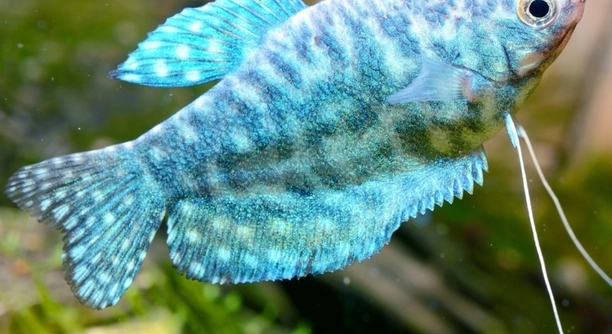
Are your gourami fish ignoring each other in the tank? This behavior can be confusing, especially when you expect them to interact or show some social activity. Understanding why this happens can help improve their environment.
Gouramis may ignore each other due to territorial instincts, stress, or unsuitable tank conditions. Factors like tank size, water quality, and hiding spots influence their social behavior and willingness to interact. Adjusting these can encourage more activity among them.
Knowing these key points will help you create a better space for your gouramis. It’s important to recognize their needs to promote a peaceful and engaging aquarium.
Understanding Gourami Social Behavior
Gouramis are known for their varied social behaviors, which can sometimes seem puzzling. They may appear shy or indifferent when placed with other fish, especially if the tank environment is not ideal. These fish often establish territories, and some species prefer solitude over interaction. If the tank is too small, crowded, or lacks proper hiding spots, gouramis may become stressed and withdraw. Stress can reduce their interest in exploring or engaging with tank mates. Water quality also plays a significant role—poor conditions make fish lethargic and less social. Gouramis need a balance of space, plants, and calm surroundings to feel comfortable. Over time, once they settle in and feel safe, you might notice more natural behaviors like curiosity and gentle interaction. Patience and proper care are essential to helping gouramis find their rhythm in the tank.
Behavior varies widely depending on species and individual temperament.
Recognizing these patterns helps in adjusting the tank setup to encourage better interaction and reduce tension among gouramis.
Tank Conditions Impact on Interaction
Poor water quality can make gouramis avoid each other and hide more.
Water temperature, pH, and cleanliness need regular monitoring to keep fish healthy and active. Gouramis thrive in stable conditions with temperatures between 75°F and 82°F and a pH of 6.0 to 7.5. Uneven water conditions cause stress, reducing their willingness to socialize. A well-filtered tank with gentle water flow creates a comfortable environment. Additionally, providing plants and decorations allows gouramis to retreat when they want privacy. This reduces aggression and gives shy fish a chance to relax. Overcrowding can also lead to ignoring behavior, so keeping the population balanced is important. Observing how your gouramis behave in different conditions helps in making timely changes. By maintaining optimal tank conditions, you improve their overall health and encourage peaceful coexistence. Proper care goes a long way in shaping their behavior.
Gourami Temperament and Compatibility
Gouramis can be peaceful or aggressive depending on their species. Some types prefer to live alone, while others tolerate tank mates better.
For example, male gouramis are often territorial and may ignore or even chase others to defend their space. Female gouramis tend to be more social but still need enough room. Mixing different species or too many gouramis in a small tank often causes stress and avoidance behavior. Careful selection of species and observing their behavior helps maintain harmony.
Pairing gouramis with non-aggressive fish can improve tank dynamics. Providing enough space and hiding places reduces tension. If ignored, gouramis might just be setting boundaries, not necessarily rejecting their tank mates.
Feeding and Its Effect on Behavior
Uneven feeding routines can make gouramis less active or withdrawn.
Feeding gouramis the right amount and type of food is important. Overfeeding or underfeeding affects their energy and social behavior. Gouramis prefer a varied diet including flakes, pellets, and occasional live or frozen foods. Feeding should happen at consistent times daily to reduce stress and encourage normal activity. If food is scarce or not suited to their needs, gouramis may focus on eating rather than interacting with each other.
Sometimes, competition for food causes some gouramis to ignore others or avoid interaction. Offering food in different areas of the tank can reduce this competition and help gouramis feel more relaxed. Proper feeding habits contribute to better health and more natural behavior in your aquarium.
Stress and Environmental Changes
Gouramis often ignore each other when stressed by sudden changes. New decorations, water changes, or lighting shifts can cause them to hide or avoid interaction.
Stress weakens their immune system and lowers activity levels. Keeping changes slow and gradual helps gouramis adjust and feel secure again.
Signs of Health Issues
Health problems can cause gouramis to isolate themselves. Lethargy, clamped fins, or unusual swimming may indicate illness. Observing your fish closely and checking water parameters regularly is important. Treating any signs of disease early prevents worsening conditions and encourages normal social behavior.
Encouraging Interaction
Adding plants and hiding spots helps gouramis feel safe and more willing to explore their surroundings. A well-decorated tank mimics their natural habitat, reducing stress and promoting peaceful coexistence.
When to Separate Gouramis
If gouramis show persistent aggression or extreme avoidance, separating them may be necessary to prevent harm. Monitoring behavior helps decide when tank mates need their own space.
Why are my gouramis ignoring each other even though they are in the same tank?
Gouramis sometimes ignore each other because they are territorial or stressed. Even if they share a tank, they may prefer keeping distance to feel safe. Tank size, water quality, and hiding spots all affect their comfort. If conditions are not ideal, gouramis may focus on survival rather than interacting. It’s normal for some gouramis to spend time alone, especially males or shy individuals. Adjusting the tank environment by providing plants and enough space can help reduce ignoring behavior.
Can gouramis live peacefully with other fish if they ignore each other?
Yes, gouramis can live peacefully even if they don’t interact much. Some gouramis are naturally more solitary and avoid unnecessary contact. Choosing compatible fish that don’t provoke aggression is important. Peaceful tank mates and proper environment encourage calm coexistence. Ignoring doesn’t always mean problems—it can be a way for gouramis to avoid stress or conflict. As long as there are no signs of injury or severe stress, this behavior is usually harmless.
How do tank size and decoration affect gouramis’ interaction?
Tank size and decoration play a big role in gouramis’ behavior. A small or crowded tank makes gouramis feel stressed and territorial, leading them to avoid each other. Adding plants, caves, and decorations provides hiding spots and breaks up sight lines, which reduces conflict. These elements create natural boundaries so gouramis can retreat and feel secure. Larger tanks with good decoration allow gouramis to explore and sometimes interact more freely.
Are some gourami species more social than others?
Yes, gourami species vary in social behavior. Some species, like the pearl gourami, tend to be peaceful and more social. Others, such as the dwarf gourami, can be shy or territorial, especially males. Knowing the species helps predict how they might behave in a community tank. Mixing species with similar temperaments usually leads to better harmony. Understanding these differences helps manage expectations and tank setups.
Could health problems cause gouramis to ignore each other?
Health issues often lead gouramis to isolate themselves. When sick, they become lethargic and hide to conserve energy. Symptoms like clamped fins, faded colors, or erratic swimming are signs to watch for. Poor water quality can worsen health and increase stress. Regular water testing and observation are key to catching problems early. Treating illness promptly encourages recovery and normal social behavior.
How does feeding impact gouramis’ social behavior?
Feeding habits directly affect gouramis’ activity levels and interaction. Inconsistent feeding or poor diet can cause stress and reduce their energy. Gouramis respond well to a varied diet including flakes, pellets, and occasional live foods. Feeding at regular times keeps them active and less competitive. Overfeeding causes water quality issues, which negatively affect behavior. Offering food in different spots helps reduce competition and tension between fish.
What can I do if gouramis are aggressive or ignoring each other too much?
If aggression or ignoring becomes extreme, first check tank size, water quality, and hiding spots. Sometimes rearranging decorations or adding plants calms tensions. Separating very aggressive fish might be necessary to avoid injury. Observing their behavior daily helps decide if intervention is needed. Maintaining stable, stress-free conditions is the best way to encourage peaceful coexistence. Patience and careful adjustments often improve their behavior over time.
How long does it take for gouramis to start interacting?
The time varies depending on species, tank conditions, and individual fish. Some gouramis settle in and show social behavior within days, while others take weeks or longer. Stress, new environments, or tank changes can delay interaction. Providing a stable, comfortable habitat speeds up adjustment. Watching for subtle signs like swimming near each other or sharing space indicates they are becoming more comfortable.
Is it normal for gouramis to spend most of their time hiding or alone?
Yes, especially in new tanks or if they feel threatened. Gouramis use hiding as a way to reduce stress and avoid conflict. Providing plenty of plants and caves supports this natural behavior. Over time, as they grow more confident, they often explore more and show social signs. Persistent hiding with no improvement may point to health or environment issues that need addressing.
Can changing tank mates improve gouramis’ social behavior?
Sometimes changing tank mates helps if the current fish cause stress or competition. Aggressive or overly active fish can scare gouramis and make them hide or ignore others. Choosing calm, compatible species reduces stress and encourages natural behavior. Always research compatibility before adding new fish. A balanced, peaceful community benefits everyone in the tank and promotes interaction.
Gouramis ignoring each other is a common behavior that many fish owners notice. It doesn’t always mean something is wrong with the fish or the tank. Gouramis, like many other fish, have their own ways of communicating and interacting, which can include periods of solitude. They often prefer to keep some distance to feel safe and secure. This behavior can be influenced by many factors, such as the size of the tank, the presence of hiding spots, and water quality. Understanding these needs can help make their environment more comfortable and reduce ignoring behavior over time. It’s important to remember that every gourami is different, and some may simply enjoy spending time alone.
Tank conditions play a large role in how gouramis behave with each other. If the water is not clean or the temperature is off, gouramis can become stressed, which often causes them to hide or avoid other fish. Stress also weakens their immune system and may lead to health problems. Providing a well-maintained tank with proper filtration, regular water changes, and stable conditions helps gouramis feel calm and safe. Adding plants and decorations also gives them places to retreat if they want privacy. These changes make gouramis more comfortable and can encourage them to be more social. Keeping an eye on water quality and tank setup is an easy way to support their well-being.
Sometimes gouramis ignore each other because of their natural personality or social habits. Some species are more territorial or shy, especially males, and prefer to keep their distance rather than interact often. Feeding routines also affect their behavior; consistent feeding with a balanced diet helps keep them active and healthy. If gouramis continue to show signs of stress or aggression, adjusting tank mates or separating fish may be necessary to keep the peace. Overall, patience and proper care are key. By observing your gouramis and making thoughtful changes, you can create a peaceful aquarium where they feel secure, happy, and more willing to engage with each other over time.

Hello,
If you enjoy the content that we create, please consider saying a "Thank You!" by leaving a tip.
Every little bit helps us continue crafting quality advice that supports the health, happiness, and well-being of pets around the world, for pets of all shapes, sizes, and species.
We really appreciate the kindness and support that you show us!