
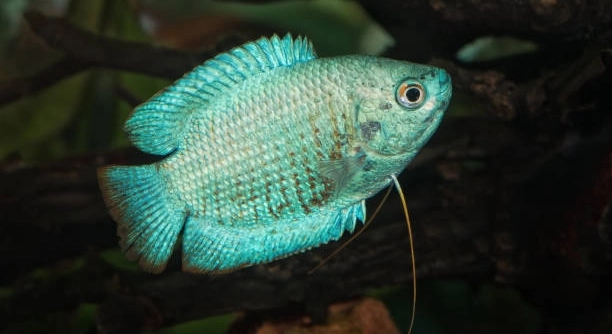
Have you ever watched your gourami swim up to the glass and wondered if it recognizes you from someone else?
Gouramis are capable of recognizing their owners through visual cues, movement patterns, and feeding routines. While their cognitive abilities are limited compared to mammals, they can associate specific humans with food and care over time.
Their behavior may seem subtle, but there are key signs that suggest they form simple connections with familiar people.
How Gouramis Recognize Their Owners
Gouramis rely on visual and behavioral cues to recognize their owners. Over time, they may learn to associate a specific person with feeding or interaction. This recognition often shows through behaviors like swimming toward the front of the tank when you approach or reacting to your hand movements. Their response is not emotional in the same way a dog or cat might behave, but rather a conditioned reaction built through routine and familiarity. Bright colors, movement, and feeding times are key factors. If you’re consistent with your interactions, your gourami is more likely to form a simple association with you. While these fish are not capable of deep emotional bonds, they do learn patterns and respond accordingly. Their recognition is functional and based on repetition. By keeping a predictable schedule and maintaining a calm environment, you increase the chance that your gourami will consistently recognize and respond to you.
They do not recognize faces like humans do, but they can identify patterns and consistent behavior.
Repeated exposure plays an important role in this recognition. Gouramis have basic cognitive skills that allow them to form associations with visual patterns and recurring events. Their response is shaped by routine and consistent handling. While they won’t “miss” you in your absence, they are likely to notice when someone new approaches the tank or when daily habits change. Hand feeding, tapping lightly, or simply spending time near the tank builds familiarity. Owners who interact daily may see stronger behavioral cues such as swimming closer, flaring fins lightly, or showing interest when approached. These actions are not signs of affection but rather a learned response. It’s important to manage expectations with gouramis. They are not emotionally complex but are observant in their own way. Keeping tank lighting, handling, and feeding regular helps reinforce their response to your presence over time.
Why Consistency Matters
Daily habits play a major role in reinforcing recognition in gouramis. Small actions repeated over time help build familiarity and response.
Gouramis respond well to calm, steady interaction. Quick movements or loud noises can stress them, disrupting any learned patterns. Keeping your approach slow and regular allows your fish to associate you with comfort and safety. Feeding at the same time each day helps reinforce recognition. Visual contact and small gestures, like placing your hand near the tank without tapping, can be part of your daily routine. These simple actions teach the gourami that your presence signals no harm and often leads to food. The more consistent your behavior, the more your gourami learns to respond. Sudden changes in lighting, behavior, or handling may lead to confusion or fear. While they cannot think deeply, they can remember patterns tied to basic needs like food. Recognition grows with routine. When treated with calm repetition, gouramis can respond predictably and even seem to “greet” you at the glass.
Signs Your Gourami Recognizes You
If your gourami swims toward the glass when you approach, stays near the surface during feeding times, or shows interest in your movements, these are simple signs of recognition. Their behavior becomes more consistent with repeated, calm interaction.
Gouramis often swim to the front of the tank when they notice a familiar person nearby. This behavior is most noticeable around feeding times but may also occur when you spend time near the aquarium regularly. Some may even hover near the spot where food is usually added. They might flare their fins lightly or move with more energy when you are present. These actions are not emotional expressions but rather learned responses. Over time, your gourami will begin to associate your appearance and movements with positive outcomes like food or safety. Subtle reactions can indicate a growing sense of routine recognition, especially when reinforced daily.
Another sign of recognition is reduced stress behavior in your presence. A gourami that hides less, swims more freely, or remains calm when you clean the tank likely sees you as non-threatening. While this isn’t affection, it shows trust based on familiarity. Avoid sudden movements or loud sounds near the tank, as these can interrupt progress. The more predictable and gentle your interactions are, the more your gourami learns to associate you with a safe and expected routine. Over time, some may even start to follow your hand as you move outside the tank, especially if you use consistent motion when feeding or interacting.
How to Strengthen the Bond
You can reinforce recognition through quiet, repeated interactions and consistent care. Feeding at the same time and minimizing sudden changes help your gourami feel secure and familiar with your presence.
Spending a few minutes near your tank each day can improve how your gourami responds to you. Keep your movements smooth and steady, especially during feeding or maintenance. Hand feeding or gently dropping food in from the same spot each time can help your fish connect your presence with a predictable reward. Try to keep lighting and noise consistent around the tank. Avoid reaching into the water abruptly or tapping on the glass. Over time, these habits build a sense of stability and routine. With enough consistency, your gourami may start to respond to you more often, even when you’re not holding food. This isn’t emotional bonding, but it shows they recognize the pattern you’ve created around their care.
Common Mistakes to Avoid
Inconsistent feeding times can confuse your gourami and slow their ability to recognize you. Skipping days, changing routines, or having multiple people feed them randomly may weaken their response to your presence and disrupt learned behavior.
Tapping on the glass or making sudden movements near the tank can create stress. This stress may cause your gourami to hide or become less responsive over time. Keeping noise and movement to a minimum helps maintain trust and encourages recognition through repeated, calm interaction.
When Recognition Might Not Happen
Not all gouramis respond the same way. Some may be less reactive due to their temperament or tank conditions. Poor water quality, overcrowding, or illness can reduce their interest in human interaction. If your gourami doesn’t show clear signs of recognition, check for environmental stressors. Maintaining a stable setup with proper filtration, hiding spots, and a predictable care routine supports behavioral growth. Patience is also important. It may take weeks for a gourami to become familiar with your presence. Avoid comparing behaviors between fish, as each has its own personality. Keep interactions simple, quiet, and consistent to support recognition over time.
Final Thought
A calm, predictable routine helps your gourami respond more to your presence, even if the signs are small and subtle.
FAQ
Can my gourami really recognize me?
Yes, gouramis can recognize their owners through routine and consistent interaction. While their recognition isn’t based on emotional attachment like mammals, they can associate you with feeding times or regular movements. If you feed them at the same time every day or interact with them regularly, they may start to swim to the front of the tank or follow your hand movements.
How do I know if my gourami recognizes me?
One of the signs that your gourami recognizes you is when it swims toward the glass when you approach. They may also stay near the surface during feeding times or swim actively when you enter the room. Other behaviors like flaring their fins lightly or being calm in your presence can also suggest recognition.
Can gouramis learn to recognize faces?
Gouramis do not recognize faces the way humans or mammals do. They rely on patterns, such as movement, routine, and visual cues. While they may not identify your face, they can link your general appearance or movements with feeding times, making their behavior seem like they recognize you.
How can I strengthen the bond with my gourami?
To strengthen your connection with your gourami, maintain a consistent feeding schedule and approach the tank calmly. Hand feeding or gently dropping food in the same spot every time helps reinforce positive associations. Keeping tank conditions stable and avoiding sudden movements will also help build familiarity and reduce stress.
Do gouramis get stressed by sudden movements?
Yes, gouramis can become stressed by sudden movements, loud noises, or rapid changes in their environment. Sudden gestures near the tank can make them feel threatened, which may affect their behavior and hinder their ability to form a connection with you. Try to move slowly around the tank and avoid tapping on the glass to keep your fish calm.
How long does it take for a gourami to recognize me?
Recognition in gouramis can take time. Depending on the fish, it may take a few weeks to several months for them to start showing consistent signs of recognition. The more regularly you interact with them, the quicker they may become familiar with your presence. Patience and consistency are key.
What should I do if my gourami isn’t responding to me?
If your gourami isn’t showing signs of recognition, make sure its environment is ideal. Check the water quality, temperature, and tank conditions. Overcrowding or stress from poor water conditions can reduce their responsiveness. Additionally, give them time to adjust. Some gouramis are naturally more reserved and may take longer to become familiar with their owners.
Can multiple people interact with my gourami?
Yes, multiple people can interact with your gourami. However, it’s important to maintain consistency in the interactions. If different people are feeding the fish at random times or using different methods, it can confuse the gourami and slow its recognition process. If everyone follows a consistent routine, the gourami will still be able to recognize them over time.
Do all gouramis recognize their owners?
Not all gouramis will exhibit the same level of recognition. Some are naturally more skittish, while others are more curious and responsive. Tank conditions and the frequency of interaction also play significant roles in how well a gourami may recognize its owner. Patience is important, as some gouramis may take longer to show noticeable signs of recognition.
Is recognition in gouramis similar to other fish species?
Recognition in gouramis is similar to other fish species that rely on patterns, movement, and routine for learning. Many fish are capable of associating their owners with feeding times or familiar movements. However, fish have limited cognitive abilities, so their recognition is more about learned associations rather than emotional bonds.
Can a gourami forget who I am?
It’s possible for a gourami to forget who you are if you suddenly change your routine or stop interacting with it. They rely on consistency, and a sudden disruption in the usual feeding schedule or tank maintenance can confuse them. If you leave the fish alone for a while, they may take some time to reacquaint themselves with you. Keeping up with regular interactions is key to maintaining recognition.
How can I help my gourami feel more comfortable around me?
To help your gourami feel comfortable, avoid sudden movements and maintain a calm environment around the tank. Keep the lighting consistent and ensure the tank is clean. Regularly feed them at the same time and use gentle, predictable motions when interacting. Over time, your gourami will associate you with a safe, routine environment and become more comfortable around you.
Final Thoughts
Gouramis, like many other fish, can recognize their owners to some extent. However, this recognition isn’t the same as the bonds mammals form with their caretakers. Instead, gouramis associate you with patterns and regular routines, such as feeding times. Over time, they begin to understand your movements and anticipate when you approach the tank. While they don’t recognize faces, they respond to your actions, making it appear as though they know you. Consistent interaction helps them become familiar with you, but patience is required, as this recognition process can take time.
Building a bond with a gourami involves more than simply feeding them. It requires a consistent routine, a calm environment, and gradual, positive interactions. If you approach the tank too quickly or change the feeding schedule too often, it can confuse the fish and slow down the recognition process. However, by maintaining a predictable routine, your gourami will become more comfortable with your presence. Over time, small gestures, such as feeding them by hand or speaking to them softly, can encourage your fish to recognize you even more.
While not all gouramis will display strong signs of recognition, many will show subtle behaviors that suggest familiarity. If your fish responds to your approach, follows your hand, or comes to the surface during feeding times, these are signs that they are starting to recognize you. Even if your gourami is more reserved, it’s important to continue interacting calmly and consistently. As each fish is different, some may take longer to become accustomed to their environment and interactions, so it’s crucial to give them the time they need.

Hello,
If you enjoy the content that we create, please consider saying a "Thank You!" by leaving a tip.
Every little bit helps us continue crafting quality advice that supports the health, happiness, and well-being of pets around the world, for pets of all shapes, sizes, and species.
We really appreciate the kindness and support that you show us!