
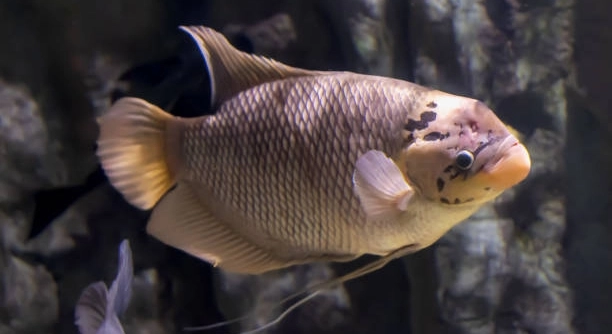
Do your gouramis seem a little off lately, maybe less active or hiding more than usual? It could be stress-related behavior.
Stress in gouramis often shows through changes in behavior, appetite, and appearance. Common signs include hiding, faded colors, clamped fins, rapid breathing, and erratic swimming. Left unchecked, stress can lead to illness or death.
Recognizing these signs early gives you a better chance to correct the issue and keep your fish healthy.
1. Loss of Appetite
When a gourami stops eating, it’s usually a sign that something isn’t right. Healthy gouramis are curious eaters and typically rush to the surface at feeding time. If yours seems uninterested in food or eats very little, stress could be playing a role. Poor water quality, sudden changes in environment, or tank aggression can trigger this response. In some cases, overfeeding can also contribute by spoiling the water. It’s important to watch feeding patterns closely. Skipped meals here and there might not be serious, but regular refusal to eat shouldn’t be ignored. It could indicate deeper issues like ammonia spikes or bullying by tankmates. Keep an eye on how often your gourami comes to feed and if it finishes its portion. If not, test your water parameters, check for tank aggression, and make small adjustments gradually. Avoid sudden changes, as they can cause more stress.
A healthy appetite reflects comfort and stability. Sudden changes in eating habits often hint at a problem that needs attention.
Feeding your gourami the right amount at the same time each day can help maintain a routine. Consistency keeps stress low, especially in community tanks. If eating doesn’t improve after a few days, it may be time to consult a vet or specialist.
2. Faded Colors
Bright, vibrant colors are one of the most charming things about gouramis. But when stress kicks in, those beautiful shades may begin to fade.
Stress often impacts pigmentation in gouramis. A pale or washed-out look usually means the fish is uncomfortable. Poor water quality, sudden lighting changes, or aggressive tankmates can all play a role. It’s also common for colors to dull during illness, especially if the fish is also acting lethargic. Many hobbyists overlook faded color as a warning sign, assuming it’s natural. But a noticeable loss of brightness—especially if it happens quickly—shouldn’t be ignored. Maintaining stable tank conditions is key to supporting color retention. Make sure your lighting isn’t too harsh, keep up with weekly water changes, and avoid placing your tank in high-traffic areas that might constantly startle the fish. A calm, clean environment can make a big difference. When gouramis feel secure, their natural colors tend to return over time.
3. Clamped Fins
Clamped fins are when a gourami holds its fins tightly against its body instead of spreading them out. This often signals discomfort, stress, or poor water conditions.
When fins are clamped, it usually means the fish doesn’t feel well or safe. It may be reacting to dirty water, a sudden drop in temperature, or even loud noises around the tank. Clamped fins are also one of the first signs of illness, especially if seen along with other symptoms like hiding or sluggish swimming. It’s important to test water parameters and make sure ammonia and nitrite levels are at zero. Also, avoid adding new tankmates too quickly. A peaceful environment helps your gourami relax and show normal fin movement again. Keep a close eye on any changes in behavior to catch issues early.
Stress builds up slowly, and clamped fins are often easy to miss at first. Take note of how often your gourami rests, how it moves, and whether the fins are spread or tucked. This sign often shows before other symptoms appear. Once you improve the environment, you might see your fish’s fins begin to open up again. This small change can mean your efforts are working and stress is lowering.
4. Erratic Swimming
Erratic swimming includes sudden dashing, spinning in circles, or floating oddly. These movements are not normal and can point to high stress or poor water quality.
Sometimes, gouramis will start darting across the tank, bumping into objects, or spinning in place. This behavior is often triggered by toxins like ammonia or chlorine. Even subtle vibrations or loud sounds near the tank may stress them out. Poor tank setup—such as strong filters causing fast currents—can also make swimming harder, especially for smaller species. A fish swimming oddly is trying to tell you something is wrong. Check the water with a reliable test kit and remove any strong disturbances. Adding more hiding spots or plants can also help reduce anxiety and give the fish places to retreat.
Fast, jerky movements may seem playful, but when they happen often, it’s a sign of distress. If left alone, this can lead to injuries or exhaustion. The stress might also make your gourami more vulnerable to diseases like ich or fin rot. Look at your tank’s layout and flow—gouramis need calm water. Fixing flow issues, improving water conditions, and providing a quieter tank environment often helps your fish swim more calmly again. Keep changes gradual and avoid shocking the system.
5. Hiding More Than Usual
When a gourami hides constantly, it’s often a response to stress or feeling unsafe. Occasional hiding is normal, but if it becomes frequent, something in the tank may be bothering the fish.
Stress from aggressive tankmates, loud environments, or poor lighting can push a gourami to stay out of sight.
6. Rapid Gill Movement
Fast or heavy breathing through the gills can mean your gourami is struggling to get enough oxygen. Poor water quality, high temperatures, or low oxygen levels are common reasons. If the tank is overcrowded or lacks surface agitation, oxygen might not be circulating well. Adding a gentle air stone or lowering the temperature slightly can help improve oxygen exchange. Always test for ammonia, nitrites, and nitrates, as these can damage gill function. Rapid gill movement should not be ignored. If water conditions are normal and the issue continues, it could point to a disease or internal problem needing treatment.
7. Staying Near the Surface
Gouramis hovering at the surface for long periods may be trying to breathe. While they do breathe some air, staying up there all day usually signals low oxygen or water problems.
What causes stress in gouramis?
Stress in gouramis usually comes from poor water conditions, overcrowded tanks, aggressive tankmates, sudden changes in environment, or inadequate diet. Any change that disrupts their comfort or safety can cause stress. Even loud noises or bright lights nearby may contribute.
How can I tell if my gourami is stressed?
Look for signs like loss of appetite, faded colors, clamped fins, erratic swimming, hiding more than usual, rapid gill movement, or staying near the surface. These behaviors are clear indicators your gourami isn’t feeling well.
Why is my gourami hiding all the time?
Hiding is a natural behavior but constant hiding often signals stress. It might be due to bullying from other fish, lack of hiding spots, or discomfort caused by water quality. Make sure your tank has plenty of plants or decorations for shelter.
What should I do if my gourami stops eating?
First, check the water quality. Stress from ammonia or nitrites can cause loss of appetite. Adjust feeding habits and ensure you offer a varied, nutritious diet. Avoid overfeeding, and give your gourami time to recover in a calm environment.
Can poor water quality really cause stress?
Yes, poor water quality is one of the top reasons for stress in fish. High ammonia, nitrite, nitrate levels, or wrong pH can damage their gills and weaken their immune system. Regular water tests and maintenance keep your gourami safe.
How often should I test my tank water?
Test water at least once a week, especially if you have a community tank. Frequent testing helps catch problems early before they become dangerous to your fish. Keep records to notice trends and changes.
Is temperature important for gourami health?
Yes, gouramis prefer stable temperatures around 74-82°F (23-28°C). Sudden temperature changes can stress them. Use a reliable heater and thermometer to keep the water steady.
Can stress make gouramis sick?
Absolutely. Stress lowers the immune system, making fish vulnerable to infections like fin rot, ich, or bacterial diseases. Address stress quickly to prevent illness.
How do I reduce stress in a community tank?
Choose peaceful tankmates and avoid overcrowding. Provide plenty of hiding spots and maintain excellent water quality. Feeding a balanced diet and keeping the tank in a quiet area also helps reduce stress.
Should I isolate a stressed gourami?
Isolating a stressed fish can sometimes help if tankmates are aggressive or the fish needs treatment. Use a separate quarantine tank with clean water and gentle conditions. Monitor the fish closely for improvement.
Can lighting affect gourami stress?
Yes, bright or flickering lights can stress gouramis. Provide moderate lighting and areas of shade or plants for them to retreat. A natural day-night cycle helps maintain their health.
What are the first steps to take if I notice stress signs?
Test the water immediately, check tankmates for aggression, review feeding routines, and assess the environment for sudden changes. Correct any water quality issues and reduce disturbances.
How long does it take for a stressed gourami to recover?
Recovery time varies depending on the cause and severity. With proper care, improvements may be seen in a few days to a couple of weeks. Patience and consistent care are key.
Can diet affect gourami stress levels?
Yes, a poor or unbalanced diet can weaken a fish’s health and increase stress. Feed high-quality pellets or flakes designed for gouramis, supplemented with occasional live or frozen foods.
Is it normal for gouramis to breathe air from the surface?
Gouramis have a labyrinth organ allowing them to breathe air, but excessive surface breathing usually indicates low oxygen or poor water conditions. Check aeration and water quality promptly.
What if my gourami shows multiple stress signs?
Multiple signs mean the problem is serious and needs quick action. Improve water quality, reduce stressors, and consider consulting a vet or experienced aquarist for guidance.
Can tank decorations reduce stress?
Yes, plants and decorations provide hiding spots and reduce stress by giving your gourami a sense of security. Avoid overcrowding the tank but ensure enough places to retreat.
How do I prevent stress in new gouramis?
Acclimate new fish slowly to tank conditions by floating the bag and gradually mixing tank water. Quarantine new arrivals before adding them to the main tank to prevent disease spread.
Is it normal for gouramis to sometimes swim erratically?
Occasional bursts of activity are normal, but repeated or constant erratic swimming usually signals stress or illness. Monitor closely and check tank conditions.
Can stress cause color changes in gouramis?
Yes, stress often causes fading or dulling of colors. Improving tank conditions usually helps colors return. Persistent fading may signal illness.
What role does tank size play in stress?
Too small a tank restricts movement and increases waste buildup, leading to stress. Provide at least 20 gallons for one gourami, with more space for additional fish.
Can I use medication to reduce stress?
Medication treats illness but doesn’t directly reduce stress. Fixing the environment and reducing stress factors are more effective. Use medication only when necessary and follow instructions carefully.
What signs indicate a stressed gourami might be sick?
Look for clamped fins, rapid breathing, white spots, frayed fins, or lethargy. These signs require prompt attention and possible treatment.
How can I make my gourami feel safe?
Maintain stable water conditions, provide hiding places, avoid aggressive fish, and keep tank disturbances low. A calm environment helps reduce stress and promotes health.
Are there certain fish that stress gouramis more?
Aggressive or very active species can stress gouramis. Avoid mixing gouramis with fin-nippers or overly territorial fish to keep the tank peaceful.
Can stress affect breeding in gouramis?
Yes, stressed gouramis rarely breed well. A stress-free environment with good water quality and proper diet is essential for successful breeding.
What’s the best way to introduce new tankmates without causing stress?
Add new fish slowly, provide plenty of space, and monitor interactions closely. Rearrange tank decorations before introducing newcomers to prevent territorial behavior.
How does overcrowding cause stress?
Too many fish increase waste and competition for space and food. This creates poor water quality and aggression, leading to stress for gouramis and others.
Is it normal for gouramis to sometimes stay still for long periods?
Resting is normal, but if your gourami stays still and hides most of the time, it may be stressed or ill. Check water and health immediately.
Can poor filtration cause stress?
Yes, inadequate filtration results in waste buildup and toxic water, stressing fish. Use a filter rated for your tank size and maintain it regularly.
What’s the impact of sudden environmental changes on gouramis?
Sudden changes like new decorations, water changes, or lighting shifts can stress gouramis. Make changes slowly and monitor fish reactions.
How important is regular tank maintenance for stress prevention?
Very important. Regular water changes, filter cleaning, and tank checks keep the environment stable, preventing stress and disease.
Can stress cause my gourami to isolate itself?
Yes, a stressed fish often isolates itself to avoid threats or conserve energy. This behavior needs attention to find the cause and improve conditions.
Stress in gouramis can show up in many ways, from changes in behavior to physical signs. Understanding these warning signs is important because stress affects a fish’s health and well-being. When gouramis are stressed, they become more prone to illness and may not live as long. It is important to watch your fish closely and notice any changes like hiding more, refusing food, or showing faded colors. These signs can help you catch problems early before they become serious. Simple steps like keeping water clean, maintaining a stable environment, and providing a peaceful tank can reduce stress significantly.
Keeping the tank environment stable is one of the best ways to prevent stress in gouramis. Regular water testing and changes help maintain healthy water conditions. Overcrowding and aggressive tankmates should be avoided to give your gourami enough space and safety. Providing hiding places like plants and decorations can make a big difference, giving the fish places to feel secure. Temperature should be steady, and lighting not too bright. All these factors together create a comfortable habitat where gouramis can thrive. Consistency and care are key to keeping stress low.
If you notice signs of stress, act quickly but calmly. Avoid sudden changes to the tank, as these can add more stress. Instead, address water quality first, then check on tankmates and feeding routines. Sometimes isolating a stressed fish in a quiet quarantine tank helps it recover. Patience is important because recovery takes time. With proper care and attention, gouramis usually bounce back and regain their bright colors and normal behavior. Watching your fish and responding early is the best way to ensure they live a healthy and happy life in your care.

Hello,
If you enjoy the content that we create, please consider saying a "Thank You!" by leaving a tip.
Every little bit helps us continue crafting quality advice that supports the health, happiness, and well-being of pets around the world, for pets of all shapes, sizes, and species.
We really appreciate the kindness and support that you show us!