
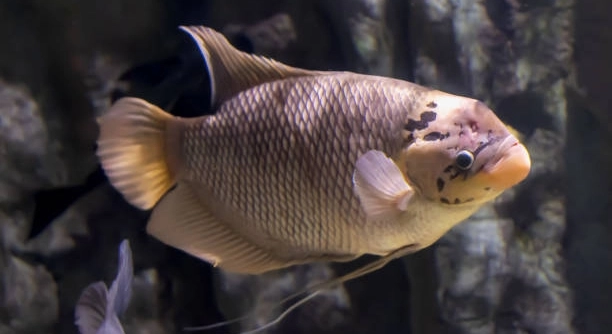
Do you ever find yourself adding new fish to your tank, only to watch tension rise instead of peace? Gouramis are beautiful and gentle fish, but sometimes their calm nature needs a little help from you.
The most effective way to make a peaceful gourami tank is to combine the right tank size, proper water conditions, and compatible tank mates. These factors help reduce stress, prevent aggression, and promote harmony among your fish.
Building the right tank environment means understanding more than just basic care—every detail makes a difference in your gouramis’ behavior. Let’s explore how to keep your tank calm, balanced, and full of life.
Choose the Right Tank Size and Setup
Gouramis need enough space to swim without bumping into other fish too often. A tank that’s too small can lead to stress, hiding, or even aggressive behavior. For a peaceful setup, a 30-gallon tank is a good starting point, especially if you’re keeping more than one gourami. Taller tanks are often preferred since gouramis like to hang near the surface. Add plants like java fern or anubias to create natural hiding spots. Avoid sharp decorations that might tear their fins. Make sure the tank has a gentle filter that doesn’t create too much current—gouramis enjoy calm waters. A secure lid is also important, as they can jump. Lighting should be soft, not too harsh. Keep things simple, stable, and consistent so your fish feel secure. With the right tank, your gouramis will settle in easily and act more relaxed around one another, which helps prevent most common problems.
Soft lighting and plant cover help create a soothing environment where gouramis feel safe and can swim comfortably without feeling exposed.
A peaceful tank starts with giving your fish enough space to spread out and feel secure. When there’s enough room, gouramis are less likely to compete or show signs of tension. Good layout also helps. Plants, decorations, and small caves give your fish a sense of privacy when needed. Without this, they may become anxious or territorial. The more natural and calm the tank feels, the more balanced the behavior among your fish. This doesn’t mean over-decorating—just placing a few key features smartly is enough. Also, don’t forget to leave plenty of open swimming space in the middle. Balance is key: a calm, open space with safe corners. That’s the kind of home gouramis need.
Pick the Right Tank Mates
Avoid fast or aggressive fish that may chase, nip, or stress your gouramis. Stick to calm species that won’t compete for space or food.
Tank mates can make or break the atmosphere in your aquarium. The best companions for gouramis are usually peaceful, slow-moving fish that prefer similar conditions. Species like corydoras, small rasboras, and peaceful tetras often work well. Avoid fish that are overly active or known to nip at fins—these can cause your gouramis to hide or lash out. Adding bottom-dwellers is a good way to fill space without causing tension near the top, where gouramis spend most of their time. It’s also wise to avoid other surface dwellers that could challenge your gouramis for territory. Keep in mind that even peaceful species can become aggressive if crowded. So, match the number of fish to the tank size, and always observe new additions carefully. A slow, thoughtful introduction process helps ease any tension and gives all fish time to adjust peacefully.
Maintain Stable Water Conditions
Fluctuations in water temperature, pH, or ammonia levels can stress gouramis and lead to aggressive behavior. Keep conditions steady by testing the water weekly and doing small, regular water changes.
Use a heater to keep the temperature around 75–80°F, and check it often. Sudden drops or spikes can unsettle gouramis. Keep the pH between 6.5 and 7.5, which is their comfort range. Avoid overfeeding, as uneaten food can quickly change the water quality. Use a test kit to monitor ammonia, nitrite, and nitrate levels, keeping them close to zero for a healthy tank. A calm and clean environment helps fish feel safe and relaxed. Always treat tap water with a conditioner before adding it to the tank. Small weekly changes of 20–25% are better than large, infrequent ones. Consistency helps prevent illness and reduces stress-related problems.
Even subtle shifts in water chemistry can affect gourami behavior. When they feel discomfort in their environment, they may start hiding or even become irritable. Over time, poor water quality can lead to fin damage or infections, which can further trigger aggressive responses. Clean, stable water encourages a peaceful temperament. Filter maintenance also plays a part—clean it regularly, but avoid washing everything at once to keep beneficial bacteria intact. Use gentle flow filters to reduce strong currents. It’s also good to rinse sponges or filter media in tank water during water changes. If your gouramis seem restless or act differently, test the water first. Most problems begin with water quality before anything else.
Feed Properly and Avoid Competition
Feeding time can bring out territorial behavior if not managed. Spread the food across the surface and use a mix of floating and sinking types to reduce crowding.
Gouramis are surface feeders, so floating pellets or flakes are best. However, when there are other fish in the tank, try offering food at different levels. Sinking pellets can help bottom-dwellers eat in peace without rushing to the top. Feed small amounts twice a day, and remove leftovers after a few minutes to keep the water clean. Use tools like feeding rings to keep food from drifting, especially in tanks with water movement. When each fish can access food easily, stress goes down. Uneven feeding often leads to tension, especially if dominant fish start guarding the food area. A calm feeding routine can improve overall tank behavior and fish health.
Competition during feeding can become a regular source of stress if not addressed early. Some gouramis may become more dominant and push others away, leading to uneven growth or hunger-related aggression. Make sure every fish gets its share by feeding in different spots. If necessary, distract faster fish with one food type while offering another elsewhere. You can also use slow-sinking foods or spread small pinches at intervals. This encourages natural foraging behavior and breaks the focus from one area. Also, avoid overfeeding, as it affects both water quality and fish behavior. Watching your fish during feeding is helpful—it lets you spot changes in mood, health, or social dynamics. A calm, fair feeding process supports harmony in the tank.
Avoid Overcrowding
Too many fish in one tank can create stress and lead to aggressive behavior. Each gourami needs space to swim and feel secure. Overcrowding limits hiding spots and increases competition for food, making peaceful behavior harder to maintain. Always match fish quantity to your tank size.
Stick to one male gourami per tank when space is limited. Males can become territorial, especially in tight quarters. If you’re keeping multiple gouramis, provide enough room and visual barriers like plants or decorations to reduce tension. A well-spaced tank allows fish to move freely without constant contact.
Watch for Signs of Aggression
Gouramis may chase or flare their fins when they feel threatened or stressed. These behaviors can show up if the tank is too small, water is off, or they feel unsafe. Monitor their actions daily and take note of sudden changes. Early signs help you fix issues quickly.
Rearrange the Tank if Needed
Changing the layout can help reduce territorial behavior. When fish no longer recognize their old spots, they’re less likely to fight over them. Shift decorations, move plants, or add new items to give the tank a fresh layout. This resets boundaries and helps calm aggressive fish.
FAQ
How can I tell if my gourami is stressed?
A stressed gourami may exhibit several signs, such as hiding more than usual, excessive fin clamping, or darting around the tank. If your fish is constantly hiding in corners or avoiding the open space of the tank, it could be a sign of discomfort. Another common sign is a change in eating habits, like refusing food or eating less than usual. Gouramis under stress can also start acting more aggressively or even display rapid fin movements. If you notice these signs, it’s important to check the water conditions and tank setup. Stressed fish often need a calmer, more stable environment.
What tank mates are best for gouramis?
Gouramis are peaceful fish but can be territorial with others, so it’s important to choose compatible tank mates. Small, peaceful species like tetras, corydoras, and rasboras usually make good companions. Avoid fast or aggressive fish, such as certain species of barbs or large cichlids, as they may cause stress. Bottom-dwelling fish are also a good option, as they don’t compete for the same space or food as gouramis. Always ensure that tank mates are similar in size and temperament. A balanced, peaceful community tank will allow gouramis to thrive and feel secure.
Can I keep multiple gouramis in the same tank?
Yes, but there are a few things to consider. Male gouramis can become territorial, so it’s best to only keep one male in the tank. If you want multiple gouramis, it’s advisable to keep several females with one male. This reduces competition and minimizes aggressive behavior. Ensure the tank is large enough, with plenty of hiding spots and plants to break up the space. If you notice signs of aggression, consider rearranging the tank to disrupt their territories. The size of the tank is crucial to reducing stress and maintaining peace.
How do I prevent fighting between my gouramis?
Fighting among gouramis is most common when they feel their space is being invaded. To prevent this, provide plenty of hiding places, like plants or decorations, so each fish can find a refuge. A larger tank also helps—more space means less chance of overlapping territories. When keeping more than one gourami, ensure you have one male per tank and multiple females to prevent competition. Make sure the water conditions are stable and that your gouramis are well-fed. Monitoring their behavior regularly will allow you to address any signs of aggression before they escalate.
What should I feed my gouramis to keep them healthy?
Gouramis are omnivores, so their diet should include a mix of high-quality flakes, pellets, and occasional live or frozen foods like brine shrimp or bloodworms. Feed them a balanced diet to keep them healthy and reduce stress. Offer food in small portions to avoid overfeeding, which can lead to poor water quality. Gouramis are surface feeders, so ensure that floating pellets or flakes make up a large part of their diet. You can also add some vegetable-based foods, such as blanched spinach, to keep them well-rounded. Offering variety helps to keep your fish happy and active.
What’s the best water temperature for gouramis?
Gouramis thrive in temperatures between 75-80°F (24-27°C). Keeping the water in this range ensures that they remain comfortable and active. Water that’s too cold or too hot can cause stress, weaken their immune system, and make them more susceptible to illness. Use an aquarium heater to maintain the right temperature, and monitor it regularly with a reliable thermometer. Sudden temperature changes should be avoided, as they can cause shock. Ensure the water is stable, and check temperature fluctuations, especially if your home environment varies greatly in temperature.
How often should I change the water in my gourami tank?
To keep your gouramis healthy, aim to change 20-25% of the water every week. Regular water changes help maintain good water quality and remove harmful toxins like ammonia and nitrites. Over time, waste and uneaten food build up in the tank, which can cause stress or illness in your fish. It’s also a good opportunity to clean the substrate and remove any debris. Be sure to treat new water with a water conditioner to remove chlorine or chloramine. Avoid large water changes, as they can cause sudden shifts in water parameters, which may stress your fish.
Are gouramis hard to take care of?
Gouramis are relatively easy to care for, making them a good choice for beginners. They don’t require complex setups or difficult care routines. The main things to focus on are stable water conditions, a balanced diet, and providing enough space for each fish. Gouramis are peaceful but can get stressed if their environment isn’t properly maintained. Regular water testing, appropriate tank mates, and a peaceful environment will ensure they live happily. While they are not as demanding as some other species, paying attention to their needs will make a big difference in their well-being.
Can gouramis live with other types of fish?
Yes, gouramis can live with other species of fish as long as they are peaceful and not too aggressive. Tetras, rasboras, and corydoras are good options that won’t compete for space or food. Be cautious when mixing species, as some fish, like aggressive barbs, can cause stress to gouramis. Always keep in mind the size of your tank, as overcrowding can lead to territorial disputes and aggression. Pay attention to the personalities of your fish and monitor their interactions. It’s essential to match temperaments and tank conditions to ensure a harmonious community.
How do I stop my gourami from hiding all the time?
If your gourami is hiding frequently, it might be stressed or uncomfortable with its surroundings. Ensure the water quality is good and that the temperature is stable. Adding plants and decorations can help provide hiding spots while also making the tank feel more secure for your gourami. If there are aggressive fish in the tank, this could also cause hiding behavior. Ensure your tank mates are peaceful and not posing a threat. Sometimes, simply rearranging the tank or giving your gourami some alone time will help it feel more at ease and encourage it to explore more.
Why is my gourami swimming upside down?
If your gourami is swimming upside down, this could be a sign of a swim bladder issue or internal parasites. Swim bladder problems are often caused by overfeeding, poor water quality, or stress. If the fish has trouble swimming or keeps flipping over, check the water parameters and reduce the amount of food given. If symptoms persist, consult an aquarium professional or a vet. In some cases, certain treatments can help address swim bladder issues. However, it’s always best to keep water quality stable and feed your fish appropriately to prevent such problems from arising.
Maintaining a peaceful gourami tank requires attention to several factors. Water quality is one of the most important aspects, as gouramis are sensitive to changes in their environment. Regular water testing, appropriate filtration, and consistent water changes will ensure your fish remain healthy. The temperature should stay within a steady range of 75-80°F, and the pH should be between 6.5 and 7.5. Keeping a stable environment will prevent many common problems and help your gouramis live comfortably.
Choosing the right tank size and tank mates is also key to creating a peaceful atmosphere. Gouramis need enough space to swim freely without feeling crowded. Overcrowding can lead to stress and territorial disputes, especially if you have multiple males in a tank. When selecting tank mates, opt for peaceful species that won’t compete for the same space or food. Avoid fast-moving or aggressive fish that might cause stress. It’s best to stick with species that have similar care needs and temperament.
Lastly, regular observation of your fish’s behavior can help you spot issues before they become serious. Keep an eye on feeding habits, swimming patterns, and signs of aggression. If necessary, rearrange the tank or make small adjustments to the environment to keep your gouramis calm. With the right care, your gouramis will thrive and create a peaceful, relaxing aquarium environment. It’s about balance—providing space, a stable environment, and compatible tank mates so that your gouramis can live without stress and feel secure in their home.

Hello,
If you enjoy the content that we create, please consider saying a "Thank You!" by leaving a tip.
Every little bit helps us continue crafting quality advice that supports the health, happiness, and well-being of pets around the world, for pets of all shapes, sizes, and species.
We really appreciate the kindness and support that you show us!