
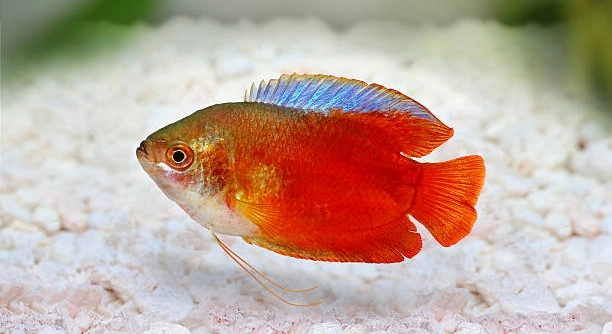
Gouramis are popular freshwater fish known for their calm nature and vibrant colors. Many fish owners notice their gouramis sometimes act listless or uninterested in their environment. This article explores why gouramis may appear bored and inactive.
Gouramis seem bored due to factors such as insufficient stimulation, poor water quality, limited tank space, lack of hiding spots, improper diet, inadequate social interaction, or stress from tank mates. Each factor impacts their behavior and overall well-being.
Understanding these reasons helps improve your gourami’s daily life and promotes a healthier, more active fish in your aquarium.
Lack of Stimulation in the Tank
Gouramis need mental and physical stimulation to stay active and healthy. When their environment is too plain or empty, they may lose interest and appear bored. A tank without enough plants, decorations, or places to explore can feel dull for them. Adding live or artificial plants, rocks, and hiding spots creates a more engaging habitat. Changing the tank layout occasionally also encourages exploration. Without stimulation, gouramis may spend most of their time resting or floating in one spot. This behavior is often mistaken for boredom but is really a sign they need more activity in their environment. Providing enrichment helps keep their natural curiosity alive and supports their mental well-being. It’s important to remember that gouramis are used to exploring and interacting with their surroundings, so a static tank can quickly lead to listlessness. Small changes can make a big difference in their overall behavior.
Enrichment tools like floating plants or gentle water currents can spark your gourami’s interest.
Regularly updating the tank environment encourages your gouramis to explore and stay mentally active, preventing dull behavior caused by monotony.
Poor Water Quality
Water quality directly affects a gourami’s health and behavior. Dirty or unbalanced water can cause stress, leading to lethargy and a lack of activity. Ammonia, nitrites, or nitrates build-up from poor filtration or infrequent water changes irritate fish and damage their gills. Gouramis are sensitive to changes in pH and temperature, so keeping these parameters stable is essential. Signs of poor water quality include faded colors, slow movements, and gasping at the surface. Maintaining clean water involves regular partial water changes, monitoring water chemistry, and ensuring the filter is working well. Testing kits are useful tools for tracking water parameters at home. A healthy tank environment makes gouramis more active and vibrant. When water quality improves, they often show renewed energy and curiosity. Ignoring water maintenance can lead to illness and shorten their lifespan. A clean tank is the foundation for happy and healthy gouramis.
Limited Tank Space
Gouramis need enough room to swim and explore. A small or overcrowded tank limits their movement and can make them seem bored or stressed.
When a tank is too small, gouramis may become inactive or hide more often. Crowding adds competition for space, food, and oxygen, which increases stress. This can cause the fish to lose interest in their surroundings. Providing at least 20 gallons per gourami helps them swim freely and display natural behaviors. Larger tanks with varied spaces also reduce aggression between tank mates.
Adding decorations and plants to a spacious tank creates zones for exploration and rest. This variety encourages gouramis to move around instead of staying still. Proper tank size is key to keeping your gouramis healthy and active over time.
Lack of Social Interaction
Gouramis are social fish that benefit from company, but they also need the right companions to thrive. Too few or incompatible tank mates can lead to loneliness or stress, causing boredom.
Some gouramis prefer the company of their own species or peaceful fish that don’t compete for territory. Isolated gouramis may become listless, while aggressive neighbors cause fear and hiding. Finding the right balance is important for social well-being. Grouping compatible fish encourages interaction and natural behaviors like chasing and exploring together. Observing how your gouramis behave with others helps you adjust the mix for a happier tank. Proper social setup keeps gouramis engaged and reduces boredom-related inactivity.
Lack of Hiding Spots
Gouramis need places to hide and feel safe in their tank. Without enough hiding spots, they may become stressed and inactive.
Adding caves, plants, or decorations creates safe areas where gouramis can rest and escape if needed. This helps reduce stress and encourages natural behavior.
Improper Diet
A poor diet can cause gouramis to lose energy and seem uninterested. They need a balanced mix of protein, vegetables, and occasional treats to stay healthy. Feeding high-quality flakes, pellets, and live or frozen foods like brine shrimp keeps their diet varied and nutritious. Overfeeding or underfeeding can also cause problems. Proper feeding routines support their activity and overall well-being.
Stress from Tank Mates
Aggressive or overly active tank mates can stress gouramis, making them shy or lethargic. Choosing calm, compatible fish helps gouramis feel secure and encourages normal activity.
Why does my gourami just float and not swim much?
When gouramis float and stay still, it often means they are bored, stressed, or unwell. Lack of stimulation or an empty tank can cause them to lose interest in moving around. Poor water quality or incorrect temperature can also make them lethargic. Sometimes, they rest near the surface because they use their labyrinth organ to breathe air. If floating is constant and they seem weak, checking tank conditions and water parameters is important. Adding decorations, plants, or tank mates can encourage more swimming and activity.
How can I tell if my gourami is stressed?
Signs of stress include hiding frequently, losing color, refusing food, and staying motionless for long periods. Gouramis may also gasp at the surface or show rapid gill movement when stressed. Stress often comes from poor water quality, overcrowding, aggressive tank mates, or sudden changes in environment. To help, keep the tank clean, provide hiding spots, maintain stable water conditions, and choose peaceful companions.
What kind of tank setup keeps gouramis happy?
A comfortable gourami tank should have at least 20 gallons per fish with plenty of plants and decorations for hiding and exploration. Soft lighting and gentle water flow are ideal. Live plants like Java fern or floating species add cover and reduce stress. Avoid overcrowding and choose calm tank mates to create a peaceful environment. Regular water changes and stable temperature (around 75–80°F) support their health.
How often should I feed my gourami?
Feed adult gouramis once or twice daily with small amounts they can finish in a few minutes. Overfeeding leads to water problems and health issues. Their diet should include high-quality flakes or pellets, plus occasional live or frozen foods like bloodworms or brine shrimp. This variety keeps them healthy and interested in food.
Can gouramis live alone, or do they need companions?
Gouramis can live alone but usually benefit from having tank mates. Some species enjoy the company of their own kind or other peaceful fish. However, overcrowding or mixing with aggressive species can cause stress and boredom. Observing your gourami’s behavior helps decide if they need companions or prefer solitude.
Why does my gourami hide all the time?
Hiding can be a natural behavior when gouramis feel threatened or stressed. Lack of hiding spots in the tank or aggressive neighbors often cause this. Providing caves, plants, or decorations gives them safe spaces to retreat. If hiding is constant, check water quality and tank conditions, as poor health or stress might be factors.
What should I do if my gourami stops eating?
If your gourami refuses food, first check water quality and temperature. Stress, illness, or poor tank conditions often cause loss of appetite. Try offering different foods like live or frozen treats to stimulate interest. If the problem continues, consider consulting a vet or fish expert to rule out disease.
How can I reduce aggression between gouramis and other fish?
To reduce aggression, avoid overcrowding and choose compatible, peaceful species. Provide plenty of hiding spots and territories within the tank. Maintain good water quality and stable conditions to lower stress levels. Sometimes separating aggressive fish or using tank dividers can help maintain peace.
Is it normal for gouramis to breathe air at the surface?
Yes, gouramis have a labyrinth organ that allows them to breathe atmospheric air. Seeing them gulp air at the surface is normal, especially in tanks with low oxygen levels. However, if they do this excessively or show signs of distress, it may indicate poor water quality or other health issues needing attention.
How long do gouramis usually live?
With proper care, gouramis can live 4 to 6 years on average. Good water quality, a balanced diet, and a suitable tank environment contribute to a longer, healthier life. Regular monitoring and maintenance are essential for their well-being.
Gouramis are peaceful and beautiful fish that can bring calmness to any aquarium. However, they sometimes seem bored or inactive, which can worry their owners. Understanding the reasons behind this behavior helps ensure they stay healthy and happy. Often, boredom in gouramis comes from things that can be changed or improved, like their environment, diet, or social setup. Taking care of these needs can make a big difference in how your fish act and feel every day.
Creating an interesting and comfortable tank space is important for gouramis. They like having places to explore, hide, and rest. Adding plants, decorations, and gentle water flow can keep them curious and active. Proper tank size and clean water are also key. When the environment is right, gouramis tend to swim more and show natural behaviors. This helps reduce stress and improves their overall health. Paying attention to their needs and making small changes can prevent boredom and encourage livelier fish.
Feeding gouramis well and choosing good tank mates are just as important. A varied diet with quality flakes, pellets, and occasional live food supports their energy and growth. Social interaction with peaceful companions also keeps them engaged without causing stress. Watching how your gouramis behave will help you know when something needs to be adjusted. By giving them a balanced diet, a stimulating environment, and friendly company, you can enjoy their bright colors and gentle nature for many years. Taking these steps makes it easier to keep your gouramis active and content in their home.

Hello,
If you enjoy the content that we create, please consider saying a "Thank You!" by leaving a tip.
Every little bit helps us continue crafting quality advice that supports the health, happiness, and well-being of pets around the world, for pets of all shapes, sizes, and species.
We really appreciate the kindness and support that you show us!