
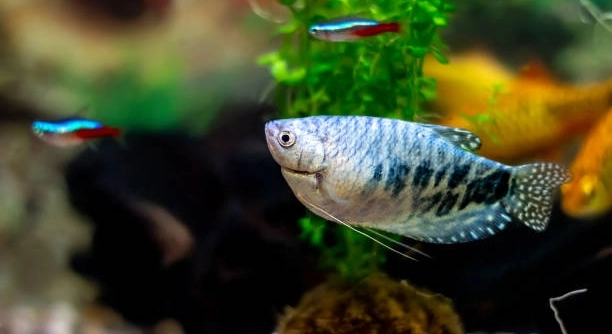
Gourami fish are known for their interesting behavior of blowing bubbles. If you’ve seen this in an aquarium, you might have wondered what it’s all about. It’s a natural part of their unique way of life.
Gourami fish blow bubbles to create bubble nests, typically during their breeding season. These nests are used by males to attract females and protect their eggs. The bubbles are formed using their saliva and help provide a safe environment for the offspring.
Understanding why gourami blow bubbles adds another layer of fascination to observing these fish in action. Their behaviors reveal a lot about their instinctual survival tactics.
Why Do Gourami Blow Bubbles?
Gourami fish are known for their fascinating bubble-blowing behavior. This is a key part of their reproductive process. During breeding season, male gouramis use bubbles to build nests, which they carefully float to the surface. These nests are created to protect the eggs and create a safe environment for the young fish to grow. When a male is ready to mate, he often spends time blowing bubbles near the surface of the water. These bubble nests can sometimes be quite large and impressive, offering a glimpse into the fish’s instinctual behavior.
Male gouramis are very protective of their bubble nests. They guard them carefully, ensuring no other fish get too close. They even chase away any intruders to protect the eggs. The bubbles provide a safe area where the eggs will develop. After mating, the female lays her eggs in the bubble nest, and the male fertilizes them.
Male gouramis continue to care for the nest by keeping the eggs safe. The bubbles also help prevent the eggs from floating away. Once the young fish hatch, they can swim out of the nest and start their own life.
The Importance of Bubble Nests
Bubble nests are not just for looks. They are crucial for the survival of the eggs. Without these nests, the eggs would float away or become exposed to predators. The male gourami’s protective nature ensures that the next generation has the best chance of survival.
This bubble-blowing behavior is an instinct that gouramis have developed over time. It helps ensure the fish can reproduce successfully in their natural habitat. The nests act as a barrier, keeping the eggs safe from outside threats, such as larger fish or changes in water conditions. It’s a fascinating part of their reproductive cycle.
Bubble Nest Construction
Male gouramis start constructing their bubble nests by creating small clusters of bubbles on the water’s surface. They use their lips to blow bubbles and keep them attached to one another. The process is a mix of precision and persistence, with the male constantly adding new bubbles to maintain the nest’s size and structure.
The bubble nest is built with care, usually near the aquarium’s surface where the male can easily watch over it. Male gouramis often continue to blow bubbles for several hours, refining the nest and ensuring it’s large enough for the eggs. The more bubbles they create, the more attractive the nest looks to the female. This construction process is also a way for the male to show off his strength and abilities.
Once the nest reaches a sufficient size, the male waits for the female’s arrival. During this time, the nest will float at the water’s surface, awaiting its role in the reproductive process.
The Role of the Female Gourami
The female gourami plays a critical role in the breeding process, but her actions are much more subtle compared to the male. After the male completes his nest, he will swim around the aquarium to attract her attention. She inspects the nest carefully, considering whether it’s a safe environment for her eggs. If satisfied, she will lay her eggs into the bubble nest.
Once the female releases her eggs into the nest, the male fertilizes them. He stays close, ensuring the eggs remain in place and protected by the bubble layer. The female’s role is to contribute her eggs, while the male is responsible for keeping the nest intact and defending it from potential threats. This teamwork is essential for the survival of their future offspring.
In some cases, the female may assist the male in guarding the nest, though this is not always necessary. The male typically does the majority of the protecting, constantly keeping watch over the eggs.
Why Do Gourami Use Bubbles?
Gouramis blow bubbles as part of their instinctual behavior to create bubble nests. This helps them protect their eggs during reproduction. The male creates these nests using saliva to keep the eggs safe and provide a stable environment for the young fish to grow.
The male’s effort in building the bubble nest is a signal to the female that he’s ready to mate. The nest helps keep the eggs from floating away and ensures they remain safe from predators. It’s a unique way of ensuring their offspring have the best chances for survival.
Protecting the Eggs
Male gouramis protect their bubble nests fiercely after fertilization. They guard the eggs from potential threats, like other fish or environmental changes. This protective behavior ensures that the young fish have a higher survival rate, as they are kept safe inside the bubble nest until they are ready to hatch.
Male gouramis also blow additional bubbles around the nest to help prevent the eggs from being disturbed or floating away. By staying close to the nest, the male can respond quickly to any dangers and maintain the integrity of the nest. This behavior is essential to the survival of the next generation of gouramis.
Bubble Nest Variations
Some gouramis create elaborate bubble nests, while others may build simpler ones. The complexity of the nest can depend on factors like the environment, the individual fish’s health, or even their experience. These variations don’t affect the nest’s purpose but can impact how well it serves the eggs.
Different species of gouramis may also build nests in slightly different ways, using the same basic principles of bubble formation. No matter how simple or complex, the bubble nest is a key part of the gourami’s reproductive cycle.
FAQ
Why do gourami fish blow bubbles?
Gourami fish blow bubbles to create bubble nests for mating purposes. The male blows bubbles using his saliva, which float to the surface and form a nest. This nest serves to protect the eggs after the female lays them. By constructing the nest, the male provides a safe, stable environment for the eggs to develop, and it also attracts the female. The bubble nest protects the eggs from drifting away or being eaten by other fish, offering a higher chance of survival for the offspring.
Is blowing bubbles a sign that a gourami is happy?
Not necessarily. While bubble-blowing is part of the gourami’s mating behavior, it doesn’t directly indicate happiness. The bubbles are created to prepare for breeding and protect eggs, rather than being a sign of general contentment. However, a healthy, well-maintained aquarium with proper water conditions can contribute to a gourami’s overall well-being, which might influence its readiness to engage in breeding behavior. It’s important to recognize that not all bubble-blowing is linked to happiness.
Can gourami fish blow bubbles all year round?
No, gouramis typically blow bubbles during the breeding season. This behavior is associated with mating rituals and nest-building. Outside of breeding season, male gouramis generally do not engage in bubble-blowing. If a male is blowing bubbles outside of breeding season, it could indicate an issue such as territorial behavior, stress, or environmental factors. Gouramis generally stop this behavior once they are no longer preparing for reproduction.
Do all gourami species blow bubbles?
Yes, most species of gourami, especially those from the family Osphronemidae, will blow bubbles to create nests. This behavior is particularly common among labyrinth fish, like the dwarf gourami, pearl gourami, and blue gourami. However, some species may create different types of nests or display varying bubble-blowing techniques depending on their size, environment, and reproductive strategies. While bubble-blowing is a trait of many gourami species, not all fish in the family will show the same behaviors or nest-building patterns.
Can gourami fish live without blowing bubbles?
Yes, gourami fish can live without blowing bubbles. The bubble-blowing behavior is primarily tied to reproduction. If a gourami is not breeding, it may not engage in bubble-blowing. As long as the fish has access to proper food, a suitable environment, and adequate care, it can live healthily without the need to create bubble nests. Bubble-blowing is not essential to their survival outside of the mating season, though it plays a significant role during reproduction.
Do female gourami blow bubbles too?
No, female gouramis do not typically blow bubbles. It is the male’s job to create the bubble nest to attract a mate and protect the eggs. The female lays her eggs into the bubble nest after being attracted by the male’s display of nest-building. While the female is involved in the process by laying eggs, she does not contribute to the bubble nest construction itself.
How do you know if a gourami is ready to breed?
A gourami is ready to breed when the male starts creating a bubble nest. This is one of the first signs that he is preparing to mate. The male may display more vibrant colors and act more actively to get the female’s attention. Female gouramis may appear rounder when they are carrying eggs, signaling that they are ready to lay them. Observing this behavior can help you determine when the gouramis are in their breeding condition.
What happens to the bubble nest after the eggs hatch?
After the eggs hatch, the bubble nest serves its purpose by protecting the developing young until they are able to swim independently. Once the fry are able to leave the nest and swim, the male may stop protecting it and the nest will likely dissolve or break apart. The young fish are then free to explore their environment, and the parents may stop guarding them as closely. The male may eventually lose interest in the nest and continue with his normal activities.
Do gourami fish need a bubble nest to breed?
While a bubble nest is the preferred method for breeding in many gourami species, some species may breed without one in certain conditions. However, the bubble nest plays a crucial role in the reproductive process by providing a safe environment for the eggs. Without a bubble nest, the chances of the eggs surviving and developing properly may be lower, as they could easily be exposed to predators or current flow in the water.
Can a gourami’s bubble nest be harmed?
Yes, a gourami’s bubble nest can be harmed if the water conditions in the tank are not optimal. Sudden changes in temperature, water flow, or disturbances from other tank mates can cause the nest to break apart. Additionally, if the water quality is poor, the nest may not hold together properly, causing the eggs to float away or become exposed to risks. Ensuring a stable, calm environment is important for protecting the bubble nest.
How long does it take for the eggs to hatch in a bubble nest?
Gourami eggs typically take between 24 to 48 hours to hatch in the bubble nest, depending on water temperature and conditions. Warmer water generally speeds up the hatching process. Once the eggs hatch, the fry remain in the nest for a few days, absorbing their yolk sacs before they become free-swimming. The male continues to guard the nest until the fry are ready to swim independently.
Can I keep multiple gourami males in the same tank?
It’s generally not recommended to keep multiple male gouramis in the same tank, especially during breeding season. Male gouramis can become territorial, and if there are multiple males, they may fight over space, food, and the female’s attention. This can lead to stress, injury, or even death. If you plan to house multiple gouramis together, ensure that the tank is large enough to give each fish its own space, and consider adding several females to balance the male-to-female ratio.
Final Thoughts
Gouramis are fascinating creatures, and their behavior, especially the bubble-blowing, adds an intriguing element to watching them. The bubble nest is a crucial part of their reproductive process, offering a safe environment for their eggs. For a fish that lives in both freshwater and sometimes slightly brackish waters, creating this bubble nest ensures the survival of the next generation. It’s an instinctive action that highlights how these fish adapt to their environment and use their abilities to protect their young. Understanding this process can help aquarium owners appreciate how much effort and care go into their fish’s natural behavior.
Although it may seem unusual at first, the bubble-blowing behavior is simply part of the gourami’s cycle. For aquarium owners, recognizing this as a sign of potential breeding or a healthy, active male can be both educational and rewarding. Watching a male blow bubbles and construct a nest can offer a glimpse into the reproductive behaviors of these fish. It is not something that should cause alarm or confusion, but rather a natural event in their lifecycle. Many aquarium enthusiasts may find joy in seeing their gouramis go through this process, knowing they are experiencing their natural instincts.
While the bubble nests themselves are beautiful and unique, it’s essential to keep in mind the importance of maintaining the right conditions for gouramis. Providing clean water, stable temperatures, and appropriate tank mates ensures that the gouramis have a stress-free environment in which to carry out their natural behaviors. If you have a male and female in the same tank and see the male starting to build a bubble nest, it’s a positive sign that they’re in the right conditions to breed. However, it’s essential to also consider the space and the needs of the fish to keep them healthy throughout their lives.

Hello,
If you enjoy the content that we create, please consider saying a "Thank You!" by leaving a tip.
Every little bit helps us continue crafting quality advice that supports the health, happiness, and well-being of pets around the world, for pets of all shapes, sizes, and species.
We really appreciate the kindness and support that you show us!