
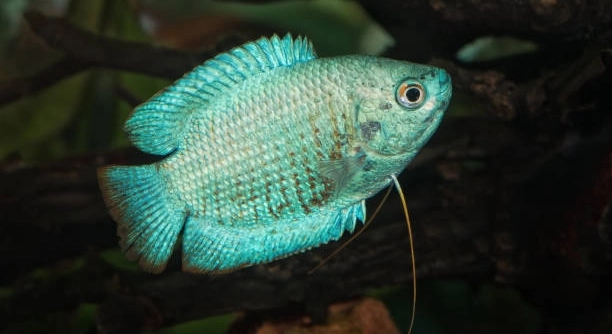
Do you ever notice your gourami acting shy one moment and energetic the next, and wonder what’s causing the change?
Gourami mood changes are often caused by environmental stressors, such as water quality, tank mates, temperature shifts, and lack of hiding spaces. These fish are sensitive to their surroundings, and sudden changes can greatly influence their behavior and temperament.
Understanding what affects your gourami’s mood can help you create a calm, balanced environment that supports their well-being and makes them feel safe.
Common Environmental Triggers
Gouramis are sensitive fish, and their mood often shifts due to small changes in their environment. Poor water conditions, like high ammonia or nitrite levels, can make them anxious or withdrawn. A sudden change in temperature or pH can also leave them feeling stressed. Lighting that’s too bright or tanks that lack enough hiding places can make them feel exposed and unsafe. If they’re housed with aggressive tank mates, this can lead to long-term fear or agitation. Even something as simple as a noisy room or frequent tapping on the glass can affect their behavior. Gouramis thrive best in stable, peaceful surroundings that closely mimic their natural habitat. Regular tank maintenance, testing water parameters, and observing behavior closely can help spot issues early. By fine-tuning these elements, you help your gourami stay relaxed and expressive. Their mood is a reflection of how well their needs are being met day to day.
A sudden drop in activity or aggression toward tank mates is often linked to these stress factors.
If you notice your gourami hiding more than usual or refusing food, it could be a sign something’s wrong in their tank. Checking equipment, reviewing water quality, and adjusting tank layout are simple steps that often lead to better behavior.
Social and Feeding Factors
Feeding habits and social interactions play a big role in your gourami’s mood.
Gouramis are curious and social but can become moody when they feel threatened or compete for food. Overcrowded tanks often lead to territorial behavior, and when there’s not enough space, even peaceful gouramis can become aggressive. Uneven feeding routines or limited access to food can also create tension. Fish that don’t get enough food may become more dominant or withdrawn, depending on their personality. Ensuring each fish gets their share can go a long way toward keeping harmony. It helps to feed in small amounts, spaced apart, and in multiple locations if you have more than one gourami. Watching how they behave during feeding can give clues about their mood. If one fish is constantly pushed away, it may become more anxious or hide more often. Paying attention to these patterns helps you create a calmer, more balanced tank environment.
Seasonal and Lighting Changes
Gouramis can react strongly to seasonal changes and lighting shifts. A change in daylight hours or light intensity often influences their behavior and energy levels. These factors can affect sleep cycles, appetite, and even social interaction within the tank.
In colder months, your home’s room temperature may drop slightly, affecting the tank’s water temperature if not properly regulated. Gouramis prefer stable warmth, and even a small drop can make them sluggish or more prone to hiding. Changes in lighting—especially if it becomes too bright or inconsistent—can also cause stress. Bright lighting may cause them to become jumpy or stay hidden. Dimmer, soft lighting helps them feel safer and encourages natural movement. If you use a timer for the lights, try keeping the schedule consistent year-round to avoid confusion. Watch for behavior changes when the seasons shift, and adjust lighting or heating equipment to keep their environment steady.
Artificial lighting that stays on too long can cause restlessness in gouramis. It may disturb their natural rhythm and increase irritability. Give them periods of darkness to rest properly, just like they would experience in nature. A consistent day-night cycle, along with temperature regulation, helps them stay balanced and responsive without becoming overly skittish or inactive.
Health and Hormonal Shifts
Sometimes mood changes in gouramis are related to internal issues like illness or hormonal fluctuations.
When gouramis are sick or dealing with internal parasites, their behavior can change before any physical symptoms appear. You might notice them swimming erratically, breathing heavily, or staying near the surface. These are signs that something may be wrong. Hormonal changes, especially during breeding periods, can also cause mood swings. Males may become territorial or more active as they prepare bubble nests, while females may become withdrawn or less interested in social interaction. It’s helpful to watch for these patterns, especially in mixed-gender tanks.
During breeding periods, male gouramis may become more defensive and patrol specific areas of the tank. They can chase away other fish, even those they were peaceful with before. This isn’t aggression for no reason—it’s part of their instinct. Giving them extra space, separating pairs if needed, and adjusting feeding routines can ease this tension. Females may also act differently, appearing calmer or less interested in food. If changes are sudden and unrelated to the environment, consider both health checks and natural cycles when assessing your gourami’s behavior.
Tank Mate Dynamics
Gouramis often change mood based on who they share their tank with. Peaceful companions help them feel calm, while aggressive or fast-moving fish can make them anxious or defensive. The wrong mix of tank mates leads to constant stress.
Some gouramis become territorial when overcrowded. If another fish invades their space too often, they may become aggressive or withdrawn. Watching interactions closely helps you decide if a tank rearrangement or separation is needed.
Water Quality Fluctuations
Water conditions have a direct effect on gourami behavior. Even small changes in ammonia, nitrites, or pH can make them act differently. Regular water testing is key to preventing problems before they start. Dirty or uncycled tanks often lead to mood swings. A sudden spike in waste levels may cause them to gasp at the surface, swim less, or hide more. Consistent water changes, proper filtration, and not overfeeding are basic steps that help keep things stable. Always check your parameters if your gourami suddenly seems stressed or inactive, even if the tank looks clean. A healthy environment keeps them steady and content.
Noise and Outside Movement
Loud noises or constant movement around the tank can startle gouramis. They might hide more or swim quickly when they feel unsafe. Keeping the tank in a calm, quiet spot helps them feel secure and relaxed.
FAQ
Why is my gourami hiding all the time?
Gouramis usually hide when they feel unsafe, stressed, or overwhelmed. This behavior is common if the tank has too much light, loud noises nearby, or aggressive tank mates. Poor water quality can also cause them to withdraw. Make sure there are enough hiding spots in the tank, like plants or decorations. These provide comfort and reduce stress. If hiding becomes constant, test the water, check the temperature, and observe other fish for bullying behavior. Even subtle changes in their environment can lead to this shift. Once they feel safe again, they will usually become more active.
Can mood changes be caused by poor diet?
Yes, a poor or inconsistent diet can cause mood swings in gouramis. If they’re not getting the right nutrients, they may become sluggish, irritable, or lose interest in their surroundings. Overfeeding can also cause health problems that affect behavior, like bloating or digestive issues. Make sure they are eating a balanced diet that includes a mix of high-quality pellets, flakes, and occasional live or frozen foods like brine shrimp or bloodworms. Feeding small amounts once or twice a day and removing uneaten food after a few minutes helps keep them healthy and stable.
Is aggression a normal mood for gouramis?
A little bit of aggression is normal, especially for male gouramis. They may act this way during feeding, territory disputes, or breeding times. However, constant or extreme aggression is a sign that something is off. It can be caused by a crowded tank, not enough space to retreat, or too many other males in one tank. Rearranging the tank layout, adding plants or hiding spots, and separating aggressive individuals can help calm things down. Always match your gourami with peaceful, similar-sized fish to reduce conflict. Watching their behavior during different times of day also helps spot patterns.
What signs should I watch for when behavior changes suddenly?
Look for signs like loss of appetite, erratic swimming, hovering near the surface, hiding, or breathing heavily. These are clear indicators something isn’t right. Sudden mood shifts can be caused by a drop in water quality, temperature swings, illness, or changes in lighting or tank mates. Testing the water should be your first step. If that looks fine, inspect your equipment and observe any changes in the room where the tank sits. Behavior changes are usually the first warning that a bigger problem is developing, so quick attention can make a big difference.
How can I keep my gourami emotionally balanced?
A calm tank setup helps a lot. Stick to regular water changes, monitor temperature and water quality, and avoid sudden changes to lighting or feeding. Provide plants, decorations, and hiding spots to help them feel safe. Avoid loud environments and place the tank where there isn’t constant traffic or vibration. Feed them well and keep a consistent schedule. Also, watch how they interact with tank mates and make changes if needed. A stable environment reduces mood swings and supports natural behavior.
Do gouramis get lonely?
Some species of gouramis do better in groups, while others prefer being alone or with just one companion. Dwarf gouramis, for example, often enjoy having company if the tank is large enough. But some male gouramis can become aggressive if kept too close to one another. It’s not always loneliness they feel, but rather stress from either too much company or not enough space. Learning the needs of your specific species is key. If your gourami seems withdrawn, it could be due to stress rather than isolation.
Can I train my gourami to be calmer?
While you can’t train them like a dog, you can help them feel more at ease through routine and familiarity. Feeding at the same times each day and limiting loud noises or sudden movements can make them more comfortable. Some gouramis even start to recognize their owner and respond to your presence near the tank. A calm, consistent routine and a peaceful tank setup go a long way toward keeping their behavior relaxed and balanced over time.
Final Thoughts
Gouramis are gentle, colorful fish that can show a wide range of moods. Their behavior is often shaped by small changes in their surroundings. Things like water quality, tank mates, light, noise, and feeding routines all play a role in how they act. When gouramis feel safe and comfortable, they tend to be calm, active, and social. But when something is off—even slightly—they may start to hide, become aggressive, or act differently than usual. Paying close attention to their mood helps you catch problems early and keeps your tank peaceful. These fish do best in stable environments with consistent care and attention.
Many gourami mood changes can be traced back to stress. Whether it’s caused by overcrowding, loud noises, poor water conditions, or incompatible tank mates, stress can make them behave in ways that seem unusual. Watching how your gourami reacts to different situations can help you understand what they need. If you notice sudden changes in their behavior, start by checking the basics—like water temperature, ammonia levels, or how they’re interacting with other fish. Most of the time, small adjustments are enough to bring them back to their usual selves. Adding more plants, reducing lighting, or improving water quality can make a big difference.
Caring for gouramis takes time, but it’s worth the effort. When they’re in the right conditions, their true personality comes out. You’ll see them exploring, interacting, and even responding to your presence near the tank. Understanding what affects their mood helps you build a space where they can thrive, not just survive. It also helps you enjoy them more, since happy gouramis are much more active and engaging. In the end, mood changes in gouramis are a natural part of their behavior, but they also serve as signals. By learning what those signals mean, you’re not just keeping a fish—you’re supporting a living creature that depends on you to stay healthy and feel secure.

Hello,
If you enjoy the content that we create, please consider saying a "Thank You!" by leaving a tip.
Every little bit helps us continue crafting quality advice that supports the health, happiness, and well-being of pets around the world, for pets of all shapes, sizes, and species.
We really appreciate the kindness and support that you show us!