
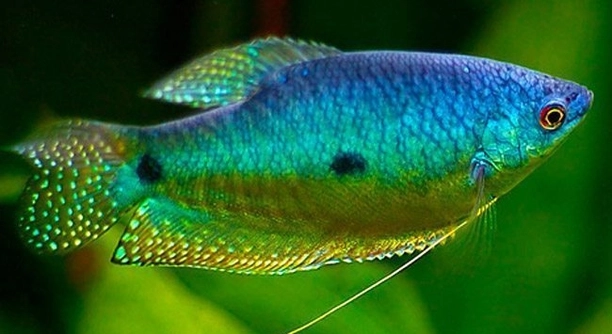
Gouramis are known for their peaceful nature, but sometimes, they can nip at the fins of other fish. Understanding why this behavior occurs can help you create a more harmonious aquarium environment.
Gourami fin-nipping is often caused by territoriality, stress, or overcrowding. These factors can lead the fish to become more aggressive, directing their aggression toward the fins of other tank mates. Ensuring ample space and minimizing stress can reduce this behavior.
Maintaining a healthy environment will support the well-being of your gouramis and other fish. Addressing stressors early can prevent further issues in your aquarium.
Why Gouramis Nip Fins
Gouramis are typically peaceful fish, but they can sometimes exhibit fin-nipping behavior. This is often due to stress, overcrowding, or territorial disputes. When kept in environments that don’t meet their needs, they may lash out at other fish. It’s important to monitor your tank’s size, the number of fish, and water conditions to avoid these problems. Gouramis need plenty of space to swim and thrive. Stress from incompatible tank mates or improper water parameters can also contribute to this behavior. Recognizing the early signs of stress can help you prevent fin-nipping before it becomes a major issue.
Stress and overcrowding are the most common factors that lead to fin-nipping in gouramis. When the fish are unable to establish their own territory or feel threatened, they may resort to attacking other fish, especially those with larger fins. This behavior is most common in smaller tanks.
Providing a larger tank with sufficient hiding spaces and ensuring good water quality can help create a more peaceful environment. Consider reducing the number of fish if overcrowding is a problem. Also, be mindful of the compatibility of tank mates. Some fish species may provoke stress in gouramis, leading to fin-nipping. In particular, aggressive or overly active fish can trigger defensive behaviors in more passive species like gouramis. It’s essential to research fish compatibility and offer a suitable environment for all tank inhabitants.
Managing Gourami Aggression
If you notice that your gouramis are nipping at other fish, the first step is to assess the tank’s size and stocking. A tank that’s too small for the number of fish can quickly lead to territorial aggression. In addition to physical space, water quality plays a significant role in preventing stress-related behaviors. Gouramis thrive in stable environments with consistent temperatures and low levels of toxins. Regular water changes and proper filtration can help maintain an optimal setting for all fish.
Increasing the size of the tank, ensuring appropriate filtration, and providing hiding spots can go a long way in preventing fin-nipping. Additionally, it’s important to address compatibility issues by researching the behaviors of potential tank mates. Avoid adding overly aggressive species to the aquarium.
Signs of Stress in Gouramis
Gouramis under stress often exhibit erratic behavior. They may swim aimlessly, hide more often, or display aggression toward tank mates. These signs can indicate a poor tank environment or incompatible fish. A stressed gourami may also lose its color or appear lethargic. Monitoring these behaviors early can help prevent long-term issues. Regular observation is key to identifying stress before it escalates. Pay attention to the fish’s interactions with tank mates and its general condition. Addressing stress early can prevent fin-nipping and other harmful behaviors from developing.
Environmental changes, such as fluctuations in temperature or poor water quality, are the most common stressors for gouramis. If these factors are not corrected, the fish will often begin exhibiting aggressive behaviors like fin-nipping. Changes in tank mates or overcrowding can also increase stress. Maintaining consistent water parameters and offering hiding spots can reduce the chance of stress-related aggression. Additionally, adding compatible fish can help your gouramis feel more secure. If you notice any of these signs, act quickly to resolve the issue before it impacts your fish’s health.
Tank Mate Compatibility
Choosing the right tank mates is essential in preventing aggression in gouramis. They are generally peaceful but can become territorial with certain species. Avoid aggressive or fin-nipping fish that may provoke them. Keep gouramis with calm, peaceful species, such as tetras or rasboras. Avoid adding fish that are too large or overly active. These can stress out the gouramis and lead to aggressive behaviors. Also, consider the size of the tank when selecting fish. A well-balanced tank with compatible species promotes a peaceful environment and reduces the risk of fin-nipping.
Adding more gouramis can sometimes help distribute territorial aggression. However, overcrowding can worsen stress, leading to more frequent fin-nipping. The key is to maintain a balanced tank, offering each fish enough space and shelter. Providing hiding spots, like plants and rocks, can help reduce aggression by giving each fish a place to retreat. Keeping the tank’s ecosystem stable with proper filtration, water changes, and temperature regulation will also support all fish. Matching the gouramis with species that have similar temperaments will help ensure long-term peace in the tank.
Tank Size and Overcrowding
Gouramis need enough space to thrive. A cramped tank can lead to stress, aggression, and fin-nipping. Ensure your tank is large enough to accommodate the number of fish you have. As a general rule, a 20-gallon tank is the minimum for one or two gouramis. More fish will require additional space.
Overcrowding not only increases stress but can also result in poor water quality. When the tank becomes too crowded, waste levels rise, affecting the health of your fish. Keeping a properly sized tank for your gouramis ensures they have room to swim and reduces aggressive behavior caused by stress.
Water Quality
Maintaining good water quality is essential for your gouramis’ health. Poor water conditions can cause stress and lead to fin-nipping. Test the water regularly for ammonia, nitrites, and nitrates to ensure it remains within acceptable levels. Gouramis thrive in stable, clean water with proper filtration and regular water changes.
A filter with adequate capacity for the tank size is important to keep the water clean. Additionally, maintaining consistent temperature levels will help keep your gouramis comfortable and reduce stress. Fluctuations in temperature can contribute to aggression and other behavioral issues. Keeping the water quality stable promotes better overall health and reduces fin-nipping.
Fish Behavior Monitoring
Regularly monitor your gouramis’ behavior to catch early signs of stress or aggression. Keep an eye on their interactions with other fish and their general health. A lack of appetite, hiding, or unusual swimming patterns can signal issues. Early detection of problems helps you address the root cause before it worsens.
Pay close attention to any changes in behavior. Gouramis tend to show subtle signs of distress, so it’s important to act quickly when you notice something unusual. If fin-nipping becomes frequent, you may need to adjust the tank setup or reduce stress factors.
FAQ
Why is my gourami nipping at other fish?
Gouramis may nip at other fish due to stress, overcrowding, or territorial disputes. If they feel threatened or crowded, they may exhibit aggressive behavior, including fin-nipping. This is especially common in small tanks where they are unable to establish their own territory. Stress from poor water quality, temperature fluctuations, or incompatible tank mates can also lead to this behavior. Ensuring the tank is appropriately sized, water conditions are optimal, and the fish have compatible tank mates can help prevent fin-nipping.
Can I stop my gourami from nipping?
Yes, reducing stress and providing a more suitable environment for your gouramis can stop them from nipping. Start by ensuring the tank is large enough for the number of fish you have. Gouramis need space to establish their territory and feel secure. Additionally, provide hiding spots and plants to help them feel safe. Maintaining stable water quality and temperature is essential. If aggression continues, consider rearranging the tank or separating incompatible tank mates.
How many gouramis should I keep together?
It’s best to keep gouramis in small groups, but it depends on the tank size. A 20-gallon tank can comfortably house one or two gouramis. For larger tanks, you can keep more, but overcrowding can increase stress. If you have more than one gourami, it’s recommended to have a balanced male-to-female ratio, as multiple males can lead to territorial aggression. Keeping multiple females can help reduce stress and aggression in male gouramis.
Can different species of gouramis live together?
Different species of gouramis can live together if they are peaceful and have similar needs. However, some species are more territorial than others. When keeping multiple species, be sure the tank is large enough to allow each fish to establish its territory. It’s also essential to monitor their behavior and ensure no fish is being bullied or stressed. For example, dwarf gouramis and pearl gouramis tend to get along well, but aggressive species, like the blue gourami, might cause issues in a mixed tank.
What are the signs of a stressed gourami?
Stressed gouramis may exhibit a variety of signs, including erratic swimming patterns, hiding more frequently, loss of color, or refusal to eat. They might also become more aggressive, nipping at other fish or displaying other unusual behaviors. If you notice these signs, it’s important to assess the water quality, tank size, and tank mates. Stress can lead to weakened immune systems, making gouramis more susceptible to illness, so addressing it quickly is essential.
How can I reduce aggression between gouramis?
To reduce aggression between gouramis, ensure the tank is large enough to accommodate the number of fish and provide sufficient hiding spots. Gouramis need space to establish territories. Also, avoid keeping more than one male per tank, as they can become territorial and fight. Keeping the water conditions stable, avoiding overcrowding, and adding peaceful tank mates can also help minimize aggression. In some cases, rearranging the tank layout can help diffuse territorial tensions.
What tank mates are best for gouramis?
Gouramis are generally peaceful and do well with other calm fish. Good tank mates include tetras, rasboras, and peaceful bottom dwellers like Corydoras catfish. Avoid aggressive or fin-nipping fish, as they can stress out gouramis and provoke aggression. It’s also best to avoid fast-swimming species that may stress out gouramis. Ensure all fish have enough space and compatible temperaments to create a peaceful environment.
Can gouramis live with bettas?
It’s not recommended to keep gouramis and bettas together, especially males of both species. Bettas are known for their aggression, and male bettas are territorial. Gouramis, particularly males, can also be territorial, which could lead to fights. If you do choose to house them together, ensure the tank is large enough to give each fish its own space and include plenty of hiding spots. In many cases, however, keeping these two species together is not ideal.
What size tank do gouramis need?
Gouramis need a minimum of a 20-gallon tank, especially if you plan to keep multiple fish. A larger tank will provide more space for them to swim and reduce stress. For each additional gourami, you should add 10 gallons of water to the tank. A well-maintained tank with stable water parameters and enough space will help prevent aggression and fin-nipping. Larger tanks also allow for a more diverse range of compatible tank mates.
How often should I change the water in a gourami tank?
Water changes should be done regularly to maintain healthy water conditions for your gouramis. A 25-30% water change every two weeks is recommended for most tanks. If you have a smaller tank or a higher number of fish, you may need to change the water more frequently. Always test the water before making changes to ensure the ammonia, nitrite, and nitrate levels are within acceptable ranges. Regular water changes will help prevent stress and keep your gouramis healthy.
Can gouramis be kept in a community tank?
Yes, gouramis can thrive in a community tank as long as the tank mates are peaceful and compatible. Avoid aggressive or fin-nipping species, as these can stress out the gouramis and lead to aggression. Gouramis do well with tetras, rasboras, and peaceful catfish. Be sure the tank has enough space and hiding spots for all fish to feel secure.
Do gouramis need a heater?
Yes, gouramis are tropical fish and require a heater to maintain a stable water temperature. The ideal temperature range for gouramis is between 75-82°F (24-28°C). Sudden temperature changes can cause stress and lead to health problems. A reliable heater, combined with a thermometer, will help you maintain a comfortable environment for your fish.
Why is my gourami losing color?
Gouramis may lose their color due to stress, poor water quality, or illness. Stressors such as overcrowding, aggressive tank mates, or fluctuating temperatures can cause them to fade in color. Check the water parameters and make sure the tank is not overcrowded. If the problem persists, consider whether the gourami may be ill and seek advice from an aquarium professional.
Final Thoughts
Gouramis are generally peaceful fish that make great additions to a community tank, but their behavior can sometimes cause concern. Nipping fins, particularly in a stressful environment, is common among gouramis. Understanding the causes of this behavior, such as overcrowding, territorial disputes, or improper tank conditions, is the first step in addressing the issue. By ensuring that your gouramis have a comfortable environment with ample space, hiding spots, and compatible tank mates, you can reduce the chances of fin-nipping and create a healthier, more peaceful habitat.
When keeping gouramis, it is essential to monitor their behavior and adjust the tank environment accordingly. Overcrowding or incompatible tank mates can lead to aggression, but providing proper care, including stable water conditions and appropriate tank sizes, can help avoid these issues. Ensuring that your gouramis have enough space and hiding spots allows them to establish their territories and reduce stress. Stress is often the root cause of aggressive behaviors like fin-nipping, so taking steps to minimize stress in the tank is crucial for their well-being.
Ultimately, creating a balanced and peaceful tank environment is key to preventing fin-nipping in gouramis. Keep an eye on the water quality, maintain a proper tank size, and choose tank mates carefully to avoid aggression. By doing so, you can enjoy watching your gouramis thrive and interact peacefully with their fellow tank mates. Regular observation and prompt action when needed can go a long way in maintaining a harmonious and healthy aquarium.

Hello,
If you enjoy the content that we create, please consider saying a "Thank You!" by leaving a tip.
Every little bit helps us continue crafting quality advice that supports the health, happiness, and well-being of pets around the world, for pets of all shapes, sizes, and species.
We really appreciate the kindness and support that you show us!