
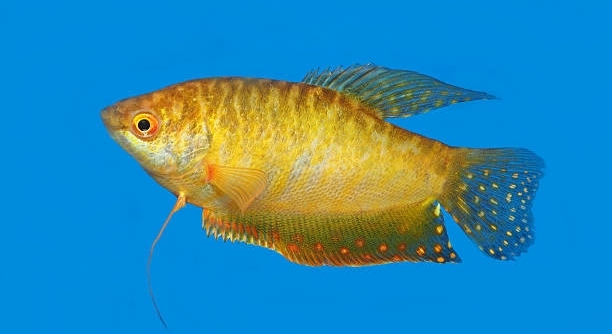
Gouramis are popular aquarium fish known for their unique nest-building behavior. Sometimes, these fish suddenly stop making nests, which can confuse many hobbyists. Understanding why this happens can help maintain a healthy environment for your gourami.
Gouramis stop building nests mainly due to stress, poor water quality, lack of suitable materials, or changes in tank conditions. These factors disrupt their natural breeding instincts and prevent them from completing the nest construction process.
Knowing the reasons behind this behavior can help you create better conditions for your fish and encourage them to resume nest building. This article will explore the key causes and how to address them.
Stress and Its Impact on Nest Building
Stress is a common reason why gouramis stop building nests. Changes in their environment, such as sudden movements around the tank, loud noises, or aggressive tank mates, can cause stress. When stressed, gouramis may lose interest in reproductive behaviors, including nest building. Water quality problems, like high ammonia or nitrite levels, also increase stress and harm their health. In addition, overcrowding in the tank limits their space and comfort, making it harder for them to build nests. Stress affects their hormone levels, which control breeding instincts. Reducing stress involves providing a calm environment, keeping water parameters stable, and avoiding aggressive fish nearby. Monitoring your gourami’s behavior regularly can help you notice early signs of stress and prevent further problems. Stress management is key to encouraging gouramis to build nests and thrive in captivity.
Reducing stress is essential to restore normal behavior. Proper tank setup and care can help gouramis feel safe and more likely to nest.
Creating a peaceful habitat with hiding spots and gentle water flow can make a big difference. Keeping tank conditions consistent helps gouramis stay healthy. Avoiding sudden changes or overcrowding also supports their natural behaviors. With patience and care, gouramis will often resume nest building once stress is minimized. This allows them to reproduce and display their unique behaviors comfortably.
Water Quality and Nest Building Behavior
Poor water quality can directly stop gouramis from building nests. Dirty water or imbalanced chemical levels interfere with their natural instincts.
Water parameters like pH, temperature, and ammonia must be in the right range. High ammonia or nitrites stress fish and damage their gills. Incorrect pH or temperature can confuse their breeding cycles. Regular water changes and testing are necessary to keep conditions optimal. Using a reliable filter helps remove waste and maintain cleanliness. Sudden changes in water chemistry can shock gouramis and halt nest building. Maintaining stable and clean water encourages healthy behavior and reproductive activity.
Keeping water clean and stable is crucial for gouramis’ health and breeding success. Regular testing and maintenance prevent problems before they start.
Gouramis depend on their environment to signal when it’s safe to breed. Clean water supports their immune systems and reduces stress, making nest building more likely. Even small changes can affect their comfort and willingness to engage in reproductive activities. Paying attention to water quality and acting quickly when issues arise helps maintain a healthy tank. This leads to happier, more active gouramis ready to build nests and reproduce naturally.
Lack of Suitable Nesting Materials
Gouramis need specific materials like floating plants or soft leaves to build their bubble nests. Without these, they often stop trying to build.
Providing enough floating plants or artificial alternatives gives gouramis the materials they require. These materials help them anchor their nests and protect the bubbles from popping. Without proper support, nests may collapse, discouraging gouramis from continuing the effort. The presence of suitable materials also signals a safe place for breeding.
When materials are missing, gouramis may lose interest in nesting. This can lead to reduced breeding behavior overall. Adding plants like hornwort or frogbit often encourages gouramis to restart nest building. Even fake plants can work if natural ones are unavailable. Ensuring these materials are in the tank creates a comfortable space that supports their natural instincts and increases chances of successful reproduction.
Changes in Tank Conditions
Sudden changes in tank conditions can stop gouramis from building nests. This includes shifts in temperature, lighting, or water chemistry.
Gouramis are sensitive to environmental stability. Quick drops or rises in temperature can stress them and interrupt breeding behavior. Lighting that is too bright or changes abruptly may cause discomfort, making them less likely to build nests. Water chemistry fluctuations, such as pH swings or hardness changes, also interfere with their instincts. Stability encourages comfort and normal routines, which are essential for nesting.
Maintaining consistent conditions means regularly checking tank parameters and avoiding sudden adjustments. Gradual changes are less stressful and allow gouramis to adapt. Using a reliable heater and timer for lighting can help keep the environment steady. This creates the best chance for gouramis to continue their natural behaviors, including nest building and reproduction.
Tank Mates and Aggression
Aggressive or curious tank mates can interrupt gouramis while building nests. This disturbance often causes them to stop.
Peaceful companions and enough space help reduce stress from other fish. Aggression or constant chasing prevents gouramis from focusing on nest building.
Breeding Cycle and Hormones
Gouramis build nests mainly during their breeding cycle when hormone levels rise. Outside this period, they naturally stop nest building because the hormonal triggers are absent. Hormones regulate behaviors like bubble nest construction, courtship, and mating. If the breeding cycle is disrupted by environmental factors or stress, hormone production decreases, and nest building stops. Hormonal changes also depend on the age and health of the gourami. Younger or older fish may show less interest in nesting. Understanding these natural cycles helps explain why gouramis don’t build nests continuously, making it easier to support their breeding when the time is right.
Tank Size and Space
A small or crowded tank can discourage nest building. Gouramis need enough space to feel secure and focus on breeding behaviors.
FAQ
Why did my gourami stop building nests suddenly?
Gouramis can stop building nests due to sudden changes in their environment. Stress from loud noises, new tank mates, or water quality shifts can cause them to lose interest. Also, if the materials they use for nests are missing, they might give up trying. Hormonal changes related to breeding cycles can pause nest building naturally. Watching your gourami’s surroundings and tank conditions closely usually helps identify the cause.
Can poor water quality make gouramis stop nesting?
Yes, poor water quality is a major factor. High levels of ammonia, nitrites, or sudden pH changes stress gouramis and affect their health. This stress directly impacts their reproductive behavior, including nest building. Regular water tests, partial water changes, and maintaining a clean tank encourage gouramis to continue building nests.
What kind of materials do gouramis need to build nests?
Floating plants or soft leaves are essential for gouramis’ bubble nests. They use these materials to anchor bubbles and protect them from popping. Without such materials, gouramis may stop nest building. Adding plants like hornwort, frogbit, or even artificial floating plants can provide the support they need.
How does stress affect gouramis’ nest-building behavior?
Stress disrupts hormone levels that control breeding instincts. Causes include aggressive tank mates, overcrowding, loud noises, or unstable water conditions. When stressed, gouramis prioritize survival over reproduction, so they stop building nests. Reducing stress by providing a calm, stable environment helps restore this natural behavior.
Does tank size influence nest building in gouramis?
Yes, tank size matters. A small or overcrowded tank can make gouramis feel insecure and stressed, preventing nest building. They need enough space to swim freely and feel safe. Providing a tank with appropriate size and hiding spots supports their comfort and breeding activities.
Can temperature changes cause gouramis to stop nesting?
Sudden or extreme temperature changes disturb gouramis’ breeding cycles. They prefer stable temperatures, usually between 75-82°F (24-28°C). When temperature fluctuates too much, it causes stress and may halt nest building. Using a heater and monitoring temperature helps keep conditions stable.
Is it normal for gouramis to stop building nests outside breeding season?
Yes, it is normal. Nest building is linked to the breeding cycle, driven by hormone levels. When gouramis are not in breeding condition, they naturally stop building nests. This pause allows them to rest and regain strength before the next breeding period.
How do aggressive tank mates affect gouramis’ nest building?
Aggressive or overly curious fish disrupt gouramis by chasing or harassing them. This constant disturbance stresses gouramis and prevents them from focusing on nest building. Keeping peaceful tank mates or separating aggressive fish is important to encourage nesting.
What can I do to encourage my gourami to start building nests again?
Create a stable environment with clean water, proper temperature, and suitable floating plants. Reduce stress by avoiding sudden changes and aggressive tank mates. Sometimes gently lowering the water level and increasing feeding with live or frozen foods can help trigger breeding behaviors.
Are older gouramis less likely to build nests?
Older gouramis may show less interest in nest building as their breeding hormones decrease with age. Younger, healthy gouramis tend to build nests more actively. Proper care can extend their breeding period, but natural aging affects reproductive behavior.
Can lighting affect nest-building behavior?
Yes, lighting influences gouramis’ behavior. Too bright or constantly changing light can cause discomfort and stress. A consistent light schedule with moderate brightness supports their natural rhythms and encourages nest building.
How long does it usually take for gouramis to build a nest?
Nest building can take a few hours to a couple of days, depending on the fish and conditions. If the environment is right, gouramis will work steadily to create a stable bubble nest. Interruptions or poor conditions can delay or stop this process.
Is it harmful if gouramis don’t build nests at all?
Not building nests is not immediately harmful but indicates the fish may be stressed or unhealthy. It also means they won’t breed successfully. Addressing the underlying issues can improve their health and encourage natural behaviors.
Can I use artificial plants for gourami nests?
Yes, artificial floating plants can substitute natural ones if they provide enough surface for bubbles. Some gouramis accept these materials and resume nesting. However, natural plants usually offer better protection and comfort.
How often should I check tank conditions to support nest building?
Checking water quality weekly and monitoring temperature daily helps maintain stable conditions. Regular maintenance like partial water changes and filter cleaning also supports healthy gouramis and encourages nest building.
Gouramis are fascinating fish that show unique behaviors, especially when they build bubble nests. When they stop building nests, it often points to changes or problems in their environment. Things like stress, poor water quality, lack of materials, or sudden changes in the tank can all affect their natural habits. Understanding these reasons helps fish keepers create better conditions for gouramis. This way, the fish can feel safe, healthy, and more likely to return to their normal behaviors, including nest building.
Taking care of gouramis means paying close attention to their surroundings. Clean water with proper temperature and pH levels is very important. Regular water tests and changes help keep the tank healthy. Providing enough floating plants or similar materials is also key because gouramis need them to make strong bubble nests. It is equally important to avoid overcrowding or placing aggressive fish in the same tank, as this can cause stress and stop gouramis from nesting. Keeping the environment stable and calm encourages them to build nests and even reproduce.
In the end, patience and consistency are important when working with gouramis. Sometimes they stop building nests for natural reasons, like resting between breeding cycles or aging. Other times, small changes in care can help them start again. Watching their behavior carefully and adjusting tank conditions when needed will support their well-being. The more comfortable and stress-free gouramis feel, the more likely they are to resume their natural nesting habits. Taking these steps helps keep gouramis happy and healthy in a home aquarium.

Hello,
If you enjoy the content that we create, please consider saying a "Thank You!" by leaving a tip.
Every little bit helps us continue crafting quality advice that supports the health, happiness, and well-being of pets around the world, for pets of all shapes, sizes, and species.
We really appreciate the kindness and support that you show us!