
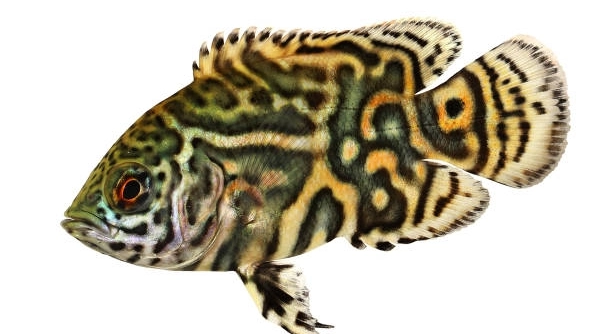
Oscar fish are known for their distinct wiggling behavior. If you’ve noticed this interesting movement, it might leave you wondering what it means. Understanding their actions can help improve your relationship with these fascinating fish.
Oscar fish wiggle or shimmy as a form of communication, particularly to express excitement, curiosity, or even territorial behavior. This movement can also indicate a desire for attention or an attempt to establish dominance over other fish in the tank.
There are various reasons behind this behavior that can help enhance your understanding of your Oscar fish’s needs and emotions.
Why Does My Oscar Fish Wiggle at Me?
Oscar fish are known for their unique and engaging behaviors, including wiggling. This movement can seem playful or even puzzling, but it’s often a way for them to interact with their environment. This behavior may appear when they are excited, especially during feeding time. If your Oscar fish is wiggling in your direction, it could be showing interest or seeking attention. The wiggle is a form of communication, much like other animals use vocalizations or body language. It’s a subtle sign that your Oscar fish is engaged with you and its surroundings, signaling that it might want interaction or that it’s simply trying to express its mood. This can occur when your fish is curious about changes in its environment, or even as a reaction to seeing something or someone familiar.
Oscar fish are intelligent and can form bonds with their owners. They recognize who feeds them and where they live, showing excitement when they see you. A wiggle might be their way of greeting or seeking your attention.
This movement is not just random. Oscars, like other fish, have developed ways to communicate with their environment and those around them. Wiggling can indicate a change in their behavior, whether it’s excitement, stress, or curiosity. It’s essential to pay attention to the frequency and context of the wiggling. If your Oscar fish is wiggling more than usual, it may also be reacting to changes in its water conditions, tankmates, or feeding schedule. Ensuring that your fish’s habitat remains stable and providing regular interaction can help maintain their happiness and health.
What Does the Wiggling Mean?
The wiggling could be a way for your Oscar fish to show affection or territorial behavior.
Oscar fish are territorial by nature. They often express this through their behavior, including wiggling, especially around their space or when they encounter other fish. The wiggle might be a sign of them claiming territory or even warning other fish to stay away. This territoriality can be quite pronounced when they’re paired with another Oscar or when there are other large fish in the tank. However, it’s important to note that wiggling can also signify positive emotions. Your Oscar may simply be excited to see you, and that wiggle could be an expression of recognition. While territorial disputes may cause some stress, regular tank maintenance and proper care can minimize these issues. Also, it’s important to observe if the wiggling is accompanied by any aggressive behaviors or if it seems out of the ordinary, as this may indicate other underlying concerns.
Signs of Stress in Oscar Fish
Oscar fish may wiggle when stressed, but it’s important to pay attention to other signs as well. A change in behavior, such as erratic swimming or hiding more than usual, could signal discomfort. Stress can stem from several factors, including poor water quality or overcrowded tanks.
Stress can manifest in various ways, including increased aggression, loss of appetite, and unusual swimming patterns. If your Oscar fish is wiggling alongside these behaviors, it might be reacting to something in its environment. Regular water changes, a proper filtration system, and a suitable tank setup can help minimize stress. Overcrowding or introducing new tankmates too quickly could lead to tension among fish, triggering these stress-related behaviors.
When observing signs of stress, it’s crucial to maintain a stable environment. Ensuring that the water temperature, pH level, and filtration are optimal can help reduce anxiety. Regular maintenance of the tank is key to preventing long-term stress, which can lead to health problems. Also, avoiding sudden changes in the tank setup can help prevent stress-induced behaviors.
The Role of Tank Size
The size of your Oscar fish tank plays a significant role in its comfort and behavior. Oscars are large fish that require ample space to thrive. If the tank is too small, it can lead to stress, which may manifest as excessive wiggling or aggression.
For an Oscar to feel secure and behave normally, it should have a tank that accommodates its size and swimming needs. A 75-gallon tank is often considered the minimum for a single Oscar, though larger tanks are better for maintaining a healthy environment. A cramped space can not only cause stress but can also hinder the fish’s ability to establish its territory. A larger tank provides more room for the fish to move freely, reducing the likelihood of aggressive behavior.
In addition to providing space, ensure that your tank setup mimics natural conditions. Include rocks, plants, and hiding spots where your Oscar can retreat if feeling threatened. Proper tank size and environment can significantly reduce unnecessary stress, encouraging healthier, more natural behavior.
Feeding and Wiggle Behavior
Feeding time can often trigger wiggling in Oscar fish. If they are excited or hungry, they may wiggle to show their anticipation. Overfeeding, however, can cause discomfort, leading to more stress and abnormal behaviors. Proper feeding routines are important to prevent this.
Feeding at regular intervals helps keep your Oscar healthy and satisfied. If the fish is left unfed for long periods, it might wiggle to express hunger or impatience. However, overfeeding can cause the fish to become sluggish or stressed. Aim to feed your Oscar small, frequent meals that match its dietary needs.
Maintaining a consistent feeding schedule also helps to establish a routine, which your Oscar can learn to recognize. This familiarity can reduce stress and promote positive interactions. Avoid offering too much food at once, as leftover food can affect water quality, which in turn affects the fish’s behavior.
Water Quality and Wiggle Behavior
Oscar fish are sensitive to changes in water quality, which can directly impact their behavior. Poor water conditions may cause them to feel stressed, which can lead to wiggling as a sign of discomfort. Regular water testing is essential.
Maintaining clean and stable water is crucial for Oscar fish. The pH, hardness, and temperature must be kept within appropriate ranges to avoid stressing the fish. If the water becomes polluted or imbalanced, your Oscar may start exhibiting behaviors such as wiggling more often. It’s important to conduct regular water changes and monitor the tank’s filtration system to ensure the water remains optimal for your fish.
FAQ
Why is my Oscar fish wiggling when I approach the tank?
When an Oscar fish wiggles as you approach the tank, it’s likely showing excitement or curiosity. Oscars are intelligent and social creatures that can recognize their owners. They may be wiggling to greet you, anticipating food, or simply reacting to your presence. This behavior is often seen when the fish is familiar with its owner and expects positive interaction, such as feeding or play. The wiggle could also signal that the fish is aware of a change in its environment or routine, such as a new tankmate or adjustment in the tank’s setup.
Can wiggling be a sign of aggression in my Oscar fish?
Yes, wiggling can sometimes indicate aggression. Oscar fish are territorial, and if they are in a tank with other fish, they might wiggle to assert dominance. This behavior often occurs when the fish feels its space is being challenged or threatened. If the wiggle is accompanied by rapid movements, fin flaring, or biting attempts, it’s likely a sign of aggression. Monitoring the tank’s conditions and the interactions between the fish can help you identify if the wiggling is a result of territorial disputes or more peaceful behaviors.
How can I tell if my Oscar fish is stressed?
Stress in Oscar fish can be identified through various signs, including erratic swimming, hiding frequently, and abnormal wiggling. If your Oscar fish is constantly wiggling without a clear cause, it might be stressed. Other common signs of stress include a lack of appetite, faded colors, and unusual behavior patterns such as excessive darting or rubbing against objects in the tank. Stress can result from poor water quality, overcrowding, or incompatible tankmates. Ensuring a calm, stable environment can help minimize stress and encourage normal behavior.
Is my Oscar fish’s wiggling related to the water temperature?
Yes, water temperature plays a significant role in your Oscar fish’s behavior. If the water temperature is too high or low, it can cause stress, which may lead to increased wiggling. Oscars are tropical fish that thrive in water temperatures between 74°F and 81°F (23°C – 27°C). When the temperature falls outside of this range, your Oscar may become more lethargic, agitated, or exhibit erratic movements. Regularly checking the water temperature and adjusting the heater as needed can help ensure your Oscar stays comfortable and less likely to wiggle due to discomfort.
Why does my Oscar fish wiggle when it’s hungry?
Wiggling is often a sign that your Oscar fish is hungry. Oscars are known to get excited when they anticipate feeding time. If the fish is wiggling, it may be trying to get your attention or communicate its hunger. This behavior is especially common if your Oscar recognizes you as the one who provides its food. To prevent overfeeding, ensure you feed your fish appropriate portions at regular intervals. Overfeeding can cause stress and lead to behavioral problems, including irregular wiggling.
Can wiggling mean my Oscar fish is in pain?
While wiggling is generally a normal behavior, it could indicate that your Oscar is in pain if it is accompanied by other signs, such as swimming awkwardly, rubbing against objects, or struggling to move. Pain or injury can result from physical trauma, poor water quality, or infection. If you notice any of these accompanying symptoms, it’s important to check your fish for injuries or health issues. Ensuring a clean tank, maintaining appropriate water parameters, and providing proper care can help prevent injury and discomfort for your Oscar fish.
How do I prevent my Oscar fish from becoming too aggressive?
To prevent aggression in your Oscar fish, ensure that its tank environment is spacious enough and equipped with hiding spots. Oscars can be territorial, so providing plenty of space can help minimize disputes. Avoid overcrowding and carefully choose tankmates. Large, peaceful fish are ideal companions for Oscars. Additionally, maintaining consistent water conditions and regular feeding schedules can help reduce stress, which often triggers aggressive behaviors. If aggression persists, separating the fish from others or adjusting tank conditions may be necessary.
Why does my Oscar fish wiggle when I add new fish to the tank?
Introducing new fish to the tank can trigger wiggling as your Oscar assesses the newcomers. Oscars are territorial by nature, and their wiggling might be an expression of dominance or a warning to the new fish. The wiggling could also indicate curiosity or anxiety about the change in the tank dynamics. It’s essential to monitor the interactions closely when adding new fish to ensure that the Oscar doesn’t become overly aggressive. Gradually introducing new fish and ensuring there’s enough space for all can help reduce tension in the tank.
How often should I change the water in my Oscar fish tank?
Water changes are critical to maintaining a healthy environment for your Oscar fish. It’s generally recommended to change 20-30% of the water every 1-2 weeks, depending on tank size and the number of fish. Poor water quality can lead to stress, which can result in abnormal behaviors, including increased wiggling. Regular water testing for pH, ammonia, nitrate, and nitrite levels is also essential. Keeping the water clean and balanced will help ensure that your Oscar remains healthy and comfortable, reducing the likelihood of stress-related behaviors.
Does wiggling always mean my Oscar fish is happy?
No, wiggling doesn’t always mean your Oscar is happy. While it can indicate excitement, curiosity, or hunger, it can also be a sign of stress or aggression. Understanding the context of the wiggling is key. If the wiggling is accompanied by other signs of distress, such as erratic swimming or a lack of appetite, it could be a response to discomfort or poor tank conditions. Observing your Oscar’s overall behavior will help you determine whether the wiggling is a sign of happiness or a signal that something needs attention.
Final Thoughts
Understanding your Oscar fish’s behavior, especially when it comes to wiggling, can help ensure its health and well-being. While this behavior can be linked to excitement, curiosity, or hunger, it’s essential to observe the context and surrounding factors. Often, Oscars will wiggle when they are familiar with their owners, anticipating feeding time, or simply responding to changes in their environment. Recognizing these signs can help you manage your fish’s needs more effectively.
It is also important to keep in mind that excessive wiggling or changes in behavior may indicate stress or discomfort. Poor water quality, overfeeding, or aggression from tankmates can all contribute to abnormal behavior. Regular water testing, maintaining a consistent feeding routine, and avoiding overcrowding in the tank are all essential steps in keeping your Oscar healthy. Ensuring your fish has a balanced environment can help minimize stress and reduce unwanted behaviors, including excessive wiggling.
By staying attentive to your Oscar’s needs and behavior, you can create a stable, happy environment for your fish. Regularly monitoring water conditions, providing proper food portions, and understanding when your fish’s wiggling is a sign of something other than happiness will help maintain a positive relationship between you and your Oscar. When all factors are properly managed, your Oscar will thrive and communicate with you through more natural, happy behaviors.

Hello,
If you enjoy the content that we create, please consider saying a "Thank You!" by leaving a tip.
Every little bit helps us continue crafting quality advice that supports the health, happiness, and well-being of pets around the world, for pets of all shapes, sizes, and species.
We really appreciate the kindness and support that you show us!