
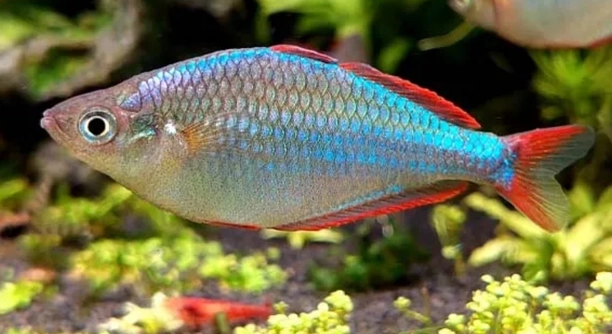
Rainbow fish are known for their vibrant colors and lively personalities. If you’re a fish lover, you might be curious about how these beautiful creatures adjust to new environments. They are social fish, often found in schools in the wild.
Rainbow fish can adapt to new schools, but the process depends on factors like the size of the tank, the temperament of other fish, and the environment. Gradual introductions and monitoring are key to successful integration.
Understanding how to properly introduce rainbow fish to a new school can make a big difference in their well-being. The following insights will help you make informed decisions for your fish.
Why Rainbow Fish Are Social Creatures
Rainbow fish are naturally social animals. In the wild, they tend to travel in schools, providing them with protection and a sense of security. Keeping them in groups in an aquarium mimics this behavior, helping them feel more comfortable. A single rainbow fish can become stressed and isolated, which can lead to health problems. For optimal well-being, it is recommended to keep at least five or six rainbow fish together. This promotes natural behaviors like schooling and reduces stress. Additionally, rainbow fish are peaceful creatures that get along well with other non-aggressive species, making them perfect for a community tank.
The more rainbow fish you have, the more comfortable they feel. A small group in a large tank allows for enough space to swim freely.
When adding new fish, it’s important to ensure that the tank’s conditions are ideal, with appropriate water parameters, hiding spaces, and a peaceful atmosphere. Any changes to the environment can lead to territorial disputes. Giving them time to adjust is essential for their well-being.
How to Introduce New Fish to the School
Introducing new rainbow fish to a tank is a delicate process. It’s best to keep the new fish in quarantine for a week to monitor for any signs of illness before adding them to the main tank.
Once quarantine is complete, slowly introduce the new rainbow fish by using a separate container to avoid sudden stress. This allows the fish to adjust to their new surroundings without facing immediate competition. Gradually adding one or two at a time will help minimize aggression from other fish. Maintaining a calm, well-planted environment can also promote peaceful integration.
The Role of Tank Size in Fish Adjustment
A larger tank gives rainbow fish the space they need to adjust and feel secure. If the tank is too small, they may feel crowded, leading to stress and aggressive behavior.
Rainbow fish are active swimmers that need room to explore. Inadequate space can result in territorial disputes, even if there are enough fish in the school. A tank of at least 30 gallons is ideal for a small group of rainbow fish. This provides ample room for them to form natural social structures and reduces competition for territory.
When introducing a new school or adding more fish, consider upgrading the tank size. This will reduce the chances of overcrowding and help your fish adapt smoothly to their new environment. It’s better to overestimate the space they need than to risk them being too cramped.
Water Conditions for Smooth Transitions
Stable water conditions are key when adjusting rainbow fish to new surroundings. Changes in temperature, pH, or hardness can stress them out and hinder their ability to settle in.
Keeping water parameters consistent is crucial during the introduction of new fish. Rainbow fish thrive in water with a temperature between 74°F and 78°F, a pH between 6.5 and 7.5, and moderately soft to hard water. Any sudden fluctuations can cause shock, making the adjustment process harder. Regular water testing helps ensure that the tank remains in the optimal range for your fish’s well-being.
Before introducing rainbow fish to a new school, monitor the water quality closely to ensure it remains stable. Avoid adding new fish during water changes, as this could introduce additional stress factors.
Adding Hiding Spaces for Comfort
Rainbow fish can become stressed without places to hide. Adding plants, rocks, or caves gives them a sense of security.
Providing hiding spaces helps reduce aggression among fish, especially during the introduction of new members. It allows them to retreat if they feel threatened, which can make the transition smoother.
Incorporating soft plants or driftwood also creates natural barriers in the tank, making it feel more like their natural habitat. This helps with the overall adjustment to the new school and reduces stress.
Temperature Stability and Its Impact
Temperature stability plays a big role in the comfort of rainbow fish. Sudden temperature fluctuations can lead to stress and health issues.
Maintain a steady water temperature of around 76°F for best results. A reliable heater and thermometer will help keep the temperature within an ideal range. Avoid moving the tank to different locations, as even slight temperature changes can cause stress.
Keeping the temperature stable ensures that rainbow fish can focus on adjusting to their new school without being distracted by uncomfortable conditions.
The Role of Lighting
Rainbow fish prefer moderate lighting in their tank. Too much light can cause stress, while too little can prevent them from fully displaying their colors.
Use aquarium lighting that mimics natural sunlight, with a cycle of 10-12 hours a day. This helps regulate their internal clock and encourages natural behaviors. Proper lighting also highlights their vibrant colors, creating a beautiful, stress-free environment.
Adjust the lighting as needed to find the right balance for your fish.
FAQ
Can rainbow fish live with other species?
Rainbow fish are peaceful and generally get along well with other non-aggressive fish. They do best in community tanks with similar temperaments. Avoid keeping them with overly aggressive or territorial species, as this can cause stress and disrupt the harmony in the tank. Good tank mates include species like tetras, catfish, and peaceful cichlids.
How long does it take for rainbow fish to adjust to a new school?
It typically takes rainbow fish a few days to a week to adjust to a new school. During this time, they may exhibit some signs of stress, such as hiding or staying at the tank’s edges. However, once they become familiar with their new environment and tank mates, they usually become more comfortable. Gradual introductions can help ease this transition.
Do rainbow fish require special care when introduced to a new tank?
Yes, rainbow fish need special attention when introduced to a new tank. The water quality should be stable and within their preferred range. It’s important to quarantine new fish for a week before adding them to the main tank to prevent the spread of disease. Gradually introduce them, allowing them time to adjust to their new environment.
What are the signs that my rainbow fish are stressed?
Signs of stress in rainbow fish include erratic swimming, hiding, or refusal to eat. If they are darting around the tank or staying at the edges, it could indicate anxiety. Stress may also manifest as faded colors or unusual behaviors like rubbing against tank decorations. Maintaining stable water conditions and avoiding sudden changes can help prevent stress.
Can rainbow fish be kept alone?
While rainbow fish can survive alone, they are social creatures and thrive in groups. Keeping a single fish can lead to stress and loneliness, which can negatively affect their health. Ideally, rainbow fish should be kept in schools of at least five or six. This helps them feel secure and display their natural behaviors.
How do I introduce new rainbow fish to my current school?
When adding new rainbow fish, it’s important to introduce them slowly. Start by quarantining the new fish for a week to ensure they are healthy. Then, you can float the new fish in a separate container inside the tank to allow them to adjust to the water temperature. Gradually release them into the tank. Introducing only one or two at a time can minimize aggression and stress.
Are there any diseases rainbow fish are prone to?
Rainbow fish can be susceptible to common aquarium diseases such as ich, fin rot, and velvet disease. Keeping the tank clean and maintaining proper water conditions is essential in preventing these illnesses. Regular water changes, monitoring the fish for symptoms, and quarantining new arrivals can reduce the risk of disease. If symptoms appear, it’s important to address them quickly to prevent spreading.
How do I know if my rainbow fish are happy?
Happy rainbow fish are active, swim in schools, and display their vibrant colors. They should be social and interact with other fish. Healthy fish eat well, and their colors remain bright and vivid. If they are swimming in a relaxed manner and showing no signs of distress, it’s a good indication they are content in their environment.
Do rainbow fish need specific water parameters?
Yes, rainbow fish require specific water conditions to thrive. They prefer a temperature range of 74°F to 78°F, a pH of 6.5 to 7.5, and moderately soft to hard water. Maintaining stable water conditions is crucial for their health. Regular water testing and adjustments, such as using a heater, can ensure the tank remains within their preferred range.
Can I breed rainbow fish in my tank?
Breeding rainbow fish is possible in a well-maintained tank. To encourage breeding, provide plenty of plants and hiding spots for the fish to lay eggs. Male and female rainbow fish typically engage in courtship behavior. Once the eggs are laid, they can be removed from the main tank to avoid predation from adult fish. Breeding rainbow fish requires patience and proper water conditions to ensure the best results.
What is the ideal diet for rainbow fish?
Rainbow fish are omnivores and should be fed a varied diet to stay healthy. Offer them high-quality flake food, pellets, and live or frozen foods such as brine shrimp, bloodworms, or daphnia. A balanced diet with both plant and animal-based foods is essential for their overall health. Feed them small amounts twice a day to avoid overfeeding, and always remove any uneaten food.
Final Thoughts
Rainbow fish are relatively easy to care for, but they do require some attention to thrive. Their social nature means they do best when kept in groups, where they can interact and feel secure. Ensuring a proper tank size, good water quality, and enough hiding spaces will help them adjust and stay healthy. Providing these basic needs will go a long way in creating an environment where rainbow fish can flourish.
When introducing new rainbow fish to a tank, it’s important to take your time. Sudden changes or overcrowding can stress the fish and cause conflicts. Gradual introductions, along with maintaining stable water conditions, are key to making the process smoother. It’s also crucial to monitor their behavior, as signs of stress can indicate the need for adjustments to their environment.
Overall, rainbow fish make beautiful and lively additions to any aquarium. With their peaceful nature and bright colors, they can bring a lot of joy to your tank. By focusing on their social needs and ensuring a balanced, stable environment, you can help them thrive and enjoy a long, healthy life in your aquarium.

Hello,
If you enjoy the content that we create, please consider saying a "Thank You!" by leaving a tip.
Every little bit helps us continue crafting quality advice that supports the health, happiness, and well-being of pets around the world, for pets of all shapes, sizes, and species.
We really appreciate the kindness and support that you show us!