
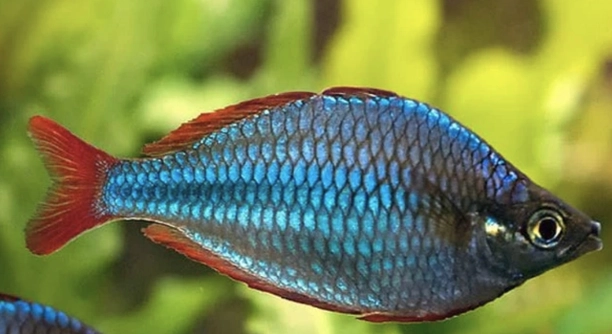
Rainbow fish are vibrant and beautiful creatures, but they can sometimes become confused by changes in their environment. Understanding their behaviors can help prevent unnecessary stress. Knowing what can confuse them is key to keeping them happy and healthy.
Rainbow fish can quickly become confused by factors such as sudden changes in water conditions, unfamiliar tank mates, or fluctuating lighting. These fish thrive in stable environments, and disturbances in their surroundings can affect their overall well-being and behavior.
Maintaining a consistent environment will help you avoid some of the common issues rainbow fish face. Knowing how to address these scenarios can create a smoother experience for both you and your fish.
Sudden Changes in Water Conditions
Rainbow fish are sensitive to changes in water conditions, such as shifts in temperature, pH, and water hardness. When these factors change suddenly, the fish may become disoriented, stressed, and less active. It’s important to maintain stable water parameters to keep your fish healthy. Gradual adjustments are key when changes are necessary, as rapid fluctuations can overwhelm rainbow fish and lead to health problems.
Make sure to regularly test the water quality and make necessary adjustments slowly to avoid shocking your rainbow fish. Stable conditions help reduce stress and prevent confusion, allowing your fish to thrive.
If your rainbow fish are swimming erratically or hiding more than usual, it could be a sign that something in their environment is off. Regular maintenance and monitoring of water conditions are simple ways to ensure their comfort and safety.
Unfamiliar Tank Mates
Introducing new tank mates too quickly can confuse your rainbow fish. They may feel threatened by unfamiliar species, especially if they are aggressive or more dominant in the tank. It’s essential to introduce new fish carefully, observing both the new arrivals and existing residents. This allows you to address any potential issues before they escalate.
When adding new fish, consider the temperament and size of the species. Rainbow fish generally do well with peaceful tank mates that share similar water condition needs. Aggressive or large fish may stress them out, causing confusion in their behavior.
A good practice is to quarantine new fish for a few weeks before introducing them to the main tank. This minimizes the risk of introducing diseases and gives both your rainbow fish and new additions time to adjust.
Inconsistent Lighting
Rainbow fish are accustomed to consistent lighting, as they thrive in environments where day and night cycles are predictable. Sudden changes in lighting, whether from inconsistent natural light or faulty aquarium lighting, can cause confusion and stress. It’s important to establish a steady lighting schedule that mimics natural conditions.
Lighting should be on a timer, providing about 10 to 12 hours of light per day. Too much light can lead to algae growth, while too little can stress the fish. The transition between light and dark should be gradual to avoid startling the fish.
If your rainbow fish are acting disoriented or staying near the bottom of the tank, check the lighting schedule. A simple fix could restore their behavior to normal, ensuring they feel secure and comfortable in their environment.
Overcrowding the Tank
Overcrowding can lead to confusion and stress for rainbow fish. When there’s not enough space, they may become territorial or hide more often. This behavior can be reduced by ensuring there’s enough room for each fish to swim freely. Providing adequate space helps them feel secure.
A tank that’s too crowded can cause competition for resources like food and hiding spots. This leads to aggression and stress, further confusing the fish. Rainbow fish, especially when kept in groups, need enough swimming space to feel comfortable and explore.
Regular tank maintenance, including removing waste and checking water conditions, is crucial when keeping a higher number of fish. Overcrowding can also impact water quality, leading to potential health problems. By monitoring the tank’s population, you can prevent confusion and maintain a balanced environment for your fish.
Sudden Feeding Schedule Changes
Rainbow fish are creatures of habit, and a sudden change in their feeding schedule can confuse them. If you shift the time or amount of food without adjusting their routine, the fish may become stressed or start swimming erratically. Maintaining consistency is important.
Fish can become more anxious when they aren’t sure when food is coming, causing them to act unpredictably. Establishing a routine feeding time helps them feel secure and more relaxed. It also helps them adjust to the tank environment without becoming agitated or disoriented.
Consider feeding your rainbow fish at the same time each day. If you need to adjust the schedule, do so gradually over a few days. This ensures they are comfortable with the change and can adapt without stress. A steady routine will help keep them calm and healthy.
Aggressive Tank Mates
Rainbow fish can become easily confused when placed with aggressive tank mates. Aggressive fish may bully or chase them, which leads to stress and disorientation. It’s best to choose peaceful species that share similar environmental needs.
If the aggression is consistent, the rainbow fish may stop swimming normally or start hiding more often. This behavior suggests they’re feeling threatened. Choosing the right companions for your rainbow fish can help reduce stress and keep them feeling safe.
Poor Water Filtration
Poor water filtration can cause confusion in rainbow fish. If the water is dirty or there’s not enough oxygen, they may start acting erratically. Clean, well-filtered water is crucial to their health.
A good filtration system ensures water is constantly cleaned, removing toxins and excess waste. If water filtration is lacking, the fish may become stressed due to poor water quality. Regular water changes and keeping an eye on your filtration system will maintain healthy conditions.
Loud or Sudden Noises
Rainbow fish are sensitive to loud or sudden noises. Continuous or abrupt sounds can startle them, causing confusion. This might lead to erratic swimming patterns or hiding behavior.
Fish are often startled by vibrations and noises from outside their tank. A calm, quiet environment will help rainbow fish feel secure. Avoid placing their tank near sources of loud noise, like speakers or high-traffic areas. Ensuring a peaceful setting will prevent stress and confusion.
FAQ
What is the ideal tank size for rainbow fish?
Rainbow fish require a minimum of a 20-gallon tank for a small group, though larger tanks are always better. A bigger tank ensures they have enough space to swim and reduces the likelihood of stress. Overcrowding in a small tank can lead to aggression and confusion, making the fish feel cramped and anxious. For a more comfortable environment, aim for 30 gallons or more if you plan to keep several rainbow fish together. Larger tanks also help maintain stable water conditions, which is important for their well-being.
Can rainbow fish live with other fish species?
Yes, rainbow fish are generally peaceful and can live with other species as long as their tank mates are not overly aggressive. Ideal companions include peaceful fish like tetras, guppies, and Corydoras catfish. Avoid placing them with aggressive species that might stress them out. When choosing tank mates, consider the size, temperament, and care requirements of all species to create a harmonious tank. Be sure to monitor interactions, as fish may show aggression or dominance toward new tank mates, which can confuse your rainbow fish and make them feel unsafe.
How often should I feed my rainbow fish?
Rainbow fish should be fed once or twice a day, depending on their age and size. It’s important to maintain a consistent feeding schedule, as sudden changes can cause stress. Overfeeding can lead to water quality issues and health problems, so give them only what they can consume in a few minutes. Feeding a varied diet that includes high-quality flakes, pellets, and live or frozen foods like brine shrimp will ensure they get the nutrients they need. If you notice uneaten food, remove it promptly to avoid polluting the water.
What temperature is best for rainbow fish?
Rainbow fish prefer water temperatures between 72°F and 79°F (22°C to 26°C). Keeping the water within this range helps maintain their health and energy levels. Sudden changes in temperature can stress the fish and lead to confusion in their behavior. Make sure your aquarium heater is functioning properly and regularly check the water temperature. If you live in an area with fluctuating room temperatures, consider using a thermometer with a built-in heater to keep the water stable.
Do rainbow fish need a specific type of water?
Rainbow fish thrive in slightly acidic to neutral water with a pH level between 6.5 and 7.5. They also prefer soft to moderately hard water. Regular testing of your water’s pH, hardness, and overall quality is essential for their health. If your water is too hard or soft, you may need to use a water conditioner to adjust it. Maintaining proper water conditions helps keep your rainbow fish comfortable and reduces the chances of confusion or stress due to poor water quality.
Why are my rainbow fish swimming erratically?
Erratic swimming can be a sign of stress. Common causes include sudden changes in water conditions, aggressive tank mates, or poor water quality. If your rainbow fish are swimming in circles or darting back and forth, it could indicate a lack of oxygen or improper water conditions. Check the water parameters, including temperature, pH, and oxygen levels. Also, ensure that your filtration system is working properly and that the tank is not overcrowded. Addressing the root cause of the stress can help return your fish to normal behavior.
How can I help my rainbow fish feel more secure?
To help your rainbow fish feel secure, provide plenty of hiding spots and plants in the tank. This gives them places to retreat if they feel threatened. Ensure that the tank environment is calm, with minimal disturbances or loud noises. Stable water conditions are also crucial. By keeping the environment predictable, with a consistent feeding schedule, lighting, and tank mates, your rainbow fish will feel more at ease. If they have a secure environment, they’re less likely to become confused or stressed.
Can I keep rainbow fish with shrimp or snails?
Yes, rainbow fish can live with shrimp and snails, but you should choose species that are peaceful and not too small. Larger or more aggressive shrimp might be harassed by rainbow fish, while smaller shrimp could become prey. Snails are generally safe, but ensure they are large enough to avoid being nipped at. When selecting shrimp or snails, look for species that won’t compete for the same food or resources. Additionally, make sure the tank conditions, such as water parameters, suit both the rainbow fish and the invertebrates.
Are rainbow fish prone to any diseases?
Rainbow fish are susceptible to the same common fish diseases as other species, including ich (white spot disease), fin rot, and swim bladder issues. Poor water quality and stress from overcrowding, improper tank mates, or fluctuating temperatures increase the risk of illness. Regular water changes, good filtration, and maintaining stable conditions are key to preventing disease. If you notice any signs of illness, such as abnormal swimming, discoloration, or lethargy, it’s important to treat the issue promptly to avoid further complications.
What are some common behavioral signs of stress in rainbow fish?
Common signs of stress in rainbow fish include erratic swimming, hiding more than usual, and reduced activity levels. They may also exhibit increased fin flicking or rapid gill movement. Stress can be caused by a variety of factors, such as poor water quality, aggressive tank mates, or sudden environmental changes. If you notice these behaviors, check the water conditions and monitor interactions with other fish. Creating a stable environment will help alleviate stress and prevent confusion in your rainbow fish.
Final Thoughts
Caring for rainbow fish requires attention to their needs, from tank size to water conditions and appropriate tank mates. They thrive in stable environments with minimal stress, which helps them exhibit their natural behaviors. A peaceful tank with proper filtration and regular water changes will go a long way in keeping them healthy. If you can provide the right conditions, rainbow fish will reward you with vibrant colors and graceful swimming. It’s essential to research and understand their specific care requirements to ensure they thrive in your tank.
When it comes to tank mates, it’s crucial to select species that are compatible with rainbow fish. Aggressive or overly large fish can cause stress, leading to confusion or unhealthy behavior. By choosing peaceful, non-threatening fish, you ensure that your rainbow fish feel secure and can swim freely. This also helps create a harmonious tank environment, which reduces stress-related health problems. Keep an eye on their interactions, as even peaceful species can sometimes show signs of aggression, especially if they are stressed or overcrowded.
Finally, maintaining a routine for feeding, water changes, and tank cleaning is essential for long-term success. Consistency is key when caring for rainbow fish, as changes in water conditions, diet, or environment can cause them to become confused or stressed. Regular monitoring of water quality, temperature, and tank mates will help you detect potential issues early. If problems arise, addressing them quickly will prevent long-term health concerns. With proper care, your rainbow fish will enjoy a healthy, vibrant life in their aquarium.

Hello,
If you enjoy the content that we create, please consider saying a "Thank You!" by leaving a tip.
Every little bit helps us continue crafting quality advice that supports the health, happiness, and well-being of pets around the world, for pets of all shapes, sizes, and species.
We really appreciate the kindness and support that you show us!