
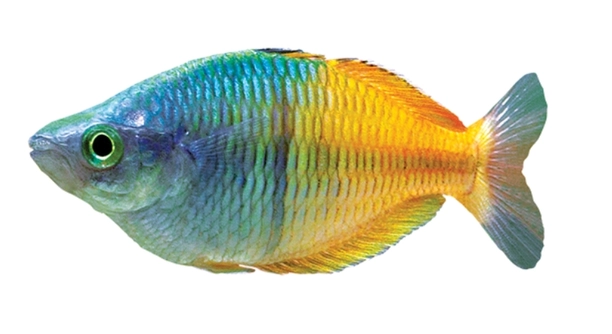
Rainbow fish are known for their vibrant colors and energetic swimming. However, you may notice that they sometimes stop swimming during the day. This behavior can be puzzling, but it’s part of their natural patterns.
Rainbow fish may stop swimming during the day as a result of environmental factors such as changes in water temperature, lighting, or stress. In their natural habitat, these fish often rest during the day to conserve energy or avoid predators.
Understanding the reasons behind this behavior can help create a better environment for your rainbow fish. Keep reading to learn more about what influences their daily activity patterns.
Why Rainbow Fish Stop Swimming: Environmental Factors
Rainbow fish are sensitive to their surroundings, which can affect their swimming behavior. Changes in water temperature, lighting, or the presence of other fish can cause them to slow down or even stop swimming altogether during the day. When the water is too warm or too cold, rainbow fish may retreat to quieter areas of the tank, seeking comfort. Similarly, if the lighting is too bright, they may feel threatened and reduce their activity.
Aquarium conditions like water quality and tank size are also essential. If the water is not clean or there is insufficient space, the fish may feel stressed, which can make them less active. Rainbow fish thrive in a well-maintained environment that mimics their natural habitat. Keeping these factors in check will encourage healthier, more active behavior.
The way rainbow fish react to their environment shows how much they rely on a stable habitat. By paying attention to factors like water temperature and tank size, you can support your fish in staying active and healthy.
Predators and Stress
In the wild, rainbow fish are often preyed upon by larger fish or birds. In an aquarium, they can feel vulnerable to potential threats, even if no actual danger is present. Stress from sudden movements, loud noises, or changes in the aquarium setup can trigger this behavior.
Stress can significantly impact their health and behavior. When stressed, they may stop swimming and rest more often. Keeping a calm, stable environment is important to prevent stress and promote natural behaviors. A peaceful tank with minimal disturbances will encourage your rainbow fish to feel safe and swim more actively.
Natural Rest Periods
Rainbow fish, like many aquatic species, follow a natural cycle of activity and rest. During the day, they may stop swimming as part of their normal routine. In the wild, they often rest in areas with more cover, away from predators. This rest helps them conserve energy for later.
Even though rainbow fish are active swimmers, they need time to recuperate. If you observe your fish resting, it’s typically a sign that they are in a safe environment. As long as the water conditions are optimal, these periods of stillness should not be concerning.
Fish can spend several hours resting throughout the day, especially in the absence of stressors. While they may not swim continuously, they will still maintain a level of alertness, ensuring they are aware of their surroundings. When they feel safe, they resume swimming more frequently as the day goes on.
Changes in Lighting
Lighting plays a significant role in the behavior of rainbow fish. Bright lights can be stressful, causing them to stop swimming or hide. These fish are more comfortable in environments with moderate lighting, similar to the conditions found in their natural habitats.
In the wild, rainbow fish experience varying light levels, depending on the time of day. Intense sunlight during the day can cause them to seek shelter in the shadows. If the tank lighting is too harsh, they may exhibit the same behavior by reducing their activity and swimming less.
To ensure your fish remain active, adjust the lighting to suit their needs. Providing a balance of light and shadow will allow them to swim freely without feeling overwhelmed. If you notice your fish are less active during the day, consider dimming the lights or providing shaded areas.
Tank Size and Space
Rainbow fish need enough space to swim freely. If the tank is too small, they may feel restricted, leading to periods of inactivity. Adequate space allows them to move around and explore their environment, encouraging more natural swimming patterns throughout the day.
A cramped tank can result in stress, which may cause rainbow fish to stop swimming or hide in corners. To promote healthy behavior, ensure your tank is large enough for the fish to thrive. A general rule is to provide at least 30 gallons for a small group of rainbow fish.
Water Quality and Temperature
Water quality is essential to the overall health of rainbow fish. Poor water conditions can lead to discomfort, causing them to stop swimming or appear lethargic. High levels of ammonia, nitrates, or nitrites can result in stress, making them less active during the day.
Maintaining proper water temperature is also critical. Rainbow fish prefer a stable range between 72°F and 78°F. If the temperature fluctuates too much, it can cause stress and make them less active. Regular water changes and monitoring water quality can prevent these issues and keep your fish comfortable.
Overcrowding
Overcrowding can lead to tension in the tank, making the rainbow fish feel insecure. When too many fish are housed in a small space, they are less likely to swim freely. Instead, they may retreat into corners or stay still to avoid interaction with other fish.
Overcrowding also increases the risk of poor water quality and stress-related behaviors. To prevent this, it’s important to consider the number of fish in relation to tank size. Providing ample space for each fish helps ensure a peaceful and active environment.
FAQ
Why do rainbow fish stop swimming during the day?
Rainbow fish stop swimming during the day mainly because they need rest. Like many species, they follow a natural cycle of activity and inactivity. When in a safe environment, they may rest during the day to conserve energy, similar to how fish behave in the wild. Stress factors such as sudden changes in water conditions or lighting can also lead them to stop swimming temporarily.
How can I make my rainbow fish more active?
To encourage your rainbow fish to swim more, make sure their environment is stable. Maintain good water quality, appropriate temperature, and lighting. Provide a spacious tank with hiding spots and minimal stress from other fish. Ensuring a peaceful environment will promote activity and prevent inactivity caused by stress.
What are the signs of stress in rainbow fish?
Stress in rainbow fish can show up in various ways. They may swim erratically, hide more often, or display signs of poor health, such as faded colors or decreased appetite. If they stop swimming during the day more often than usual, it could indicate they are stressed. Check the water conditions and tank environment for potential stressors like overcrowding, poor water quality, or aggressive tank mates.
Do rainbow fish need a specific lighting schedule?
Yes, rainbow fish benefit from a consistent lighting schedule. They thrive with about 10 to 12 hours of light a day, simulating natural day and night cycles. Too much light can cause stress, making them less active, while too little light may affect their natural behaviors. Adjusting the lighting to a more moderate level can help them feel secure and encourage regular swimming.
How do water temperature changes affect rainbow fish?
Rainbow fish are sensitive to temperature fluctuations. A sudden change in water temperature can cause stress, leading them to become lethargic or stop swimming. Ideally, the water temperature should remain between 72°F and 78°F. Keeping the temperature stable helps your fish stay active and healthy, as they are adapted to warmer, steady waters in their natural habitats.
Is it normal for rainbow fish to rest during the day?
Yes, it’s completely normal for rainbow fish to rest during the day. Just like other fish, they need periods of rest to recover from their activity. During the day, they might stop swimming and find a quiet spot to relax. This behavior is part of their natural routine and isn’t a cause for concern unless there are other signs of illness or distress.
Can rainbow fish live with other types of fish?
Rainbow fish are generally peaceful and can live with a variety of other species, especially non-aggressive tank mates. However, they may become stressed in tanks with overly aggressive fish. It’s essential to ensure that the other fish are compatible in terms of temperament and size to avoid any conflicts. Ideal tank mates include peaceful fish like tetras, guppies, and other non-predatory species.
Why are my rainbow fish swimming at the surface?
Rainbow fish swimming at the surface may be seeking more oxygen, especially if the water’s oxygen levels are low. It could also indicate that the water temperature is too high or the fish are trying to avoid something in the lower areas of the tank. Check the water conditions and ensure proper filtration to help with this behavior.
Can I feed my rainbow fish at any time of day?
It’s best to feed your rainbow fish at consistent times each day. Feeding them once or twice a day, in small portions, will help them maintain their energy levels without overfeeding. Avoid feeding them too often, as this can lead to poor water quality and potentially make them less active. Keep feeding times routine, and your fish will adapt to the schedule.
Do rainbow fish need a specific type of substrate?
Rainbow fish do not require a specific substrate, but they prefer a soft or sandy bottom for swimming. Substrate that is too rough may cause discomfort, so smooth, fine gravel or sand is ideal. A suitable substrate also helps maintain water quality, as it allows for proper filtration and debris removal, which is essential for the fish’s health.
How often should I clean my rainbow fish tank?
To maintain a healthy environment for rainbow fish, clean the tank regularly. Perform partial water changes of about 25-30% every week or two, depending on the size of the tank and the number of fish. Cleaning the filter every few weeks and removing debris from the substrate will also help maintain water quality. Regular maintenance ensures your rainbow fish remain active and healthy.
Can rainbow fish breed in a home aquarium?
Rainbow fish can breed in a well-maintained aquarium. To encourage breeding, you’ll need a separate breeding tank with good water quality, the right temperature, and proper lighting. It’s best to introduce a group of rainbow fish to the breeding tank and allow them to naturally pair off. After spawning, remove the adults, as they may eat the eggs.
Why are my rainbow fish not eating?
If your rainbow fish are not eating, it could be due to stress, poor water quality, or an improper diet. Ensure that the water is clean, the temperature is stable, and they have a variety of food options. If the issue persists, check for signs of illness or consult with a vet to rule out any health problems.
Final Thoughts
Understanding why rainbow fish stop swimming during the day can help ensure they stay healthy and active. These fish are known for their vibrant colors and lively nature, but there are many factors that can influence their behavior. It’s important to remember that rest is a natural part of their daily routine. Just like humans, rainbow fish need time to recover, especially after active periods. As long as they are resting in a safe, stress-free environment, this behavior is not something to worry about. Observing their overall health and activity levels can help you identify when something might be wrong.
The key to keeping rainbow fish happy and active is maintaining a stable and supportive environment. Water quality, temperature, and tank size are all crucial aspects to focus on. Consistent care, including regular water changes and proper filtration, will help prevent many issues that can cause inactivity or stress. Additionally, the right tank size gives them enough space to swim freely, which is essential for their well-being. While rainbow fish are generally peaceful, it’s important to choose compatible tank mates to avoid stress. This way, your fish can thrive without the distraction of aggression from others.
By keeping these factors in mind and providing a comfortable and balanced habitat, you can help your rainbow fish remain vibrant and active. If you notice any unusual behavior or signs of illness, it’s essential to address them quickly. However, remember that some rest periods during the day are entirely normal. With the right care, your rainbow fish will continue to swim happily and show their full range of colorful beauty. It’s all about creating the right environment for them to feel safe and secure.

Hello,
If you enjoy the content that we create, please consider saying a "Thank You!" by leaving a tip.
Every little bit helps us continue crafting quality advice that supports the health, happiness, and well-being of pets around the world, for pets of all shapes, sizes, and species.
We really appreciate the kindness and support that you show us!