
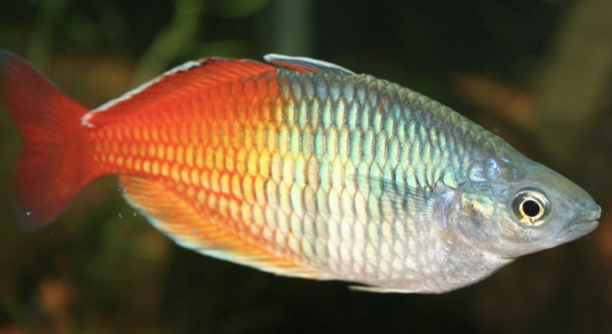
Rainbow fish are known for their bright colors and calm behavior. However, some of their actions may seem strange but are actually quite normal. If you have rainbow fish at home, you might notice unusual behaviors that seem puzzling.
Rainbow fish exhibit a range of unusual but typical behaviors, such as rapid swimming in circles or shaking their bodies. These actions can be part of mating rituals, territorial displays, or simply responses to changes in their environment.
Understanding these behaviors can help you create a healthier and more enjoyable environment for your fish. Keep reading to discover the fascinating reasons behind these actions and how they contribute to their natural instincts.
Rapid Swimming in Circles
Rainbow fish sometimes swim in fast circles, which may look odd but is a completely normal behavior. This kind of movement can be part of their mating ritual, or it might be a response to feeling stressed or excited. When they swim in circles, they are likely marking territory or engaging with other fish in the tank. It’s also a way for them to stretch their muscles and release energy.
These swimming patterns are often seen when you introduce new fish into the tank or during breeding seasons. It’s also possible that they are responding to changes in water temperature or light.
While it may seem chaotic, this behavior is a sign of a healthy and active fish. Understanding when these circles appear can give you insight into your rainbow fish’s needs. Keeping the tank conditions stable and enriching the environment can reduce unnecessary stress and encourage natural behavior.
Shaking Their Bodies
Rainbow fish often shake their bodies in short bursts, and this can look like a strange, jerky movement. It’s typically a sign of either excitement or aggression. When they are shaking their bodies, it is often a signal to other fish that they are ready to interact or defend their space.
This action can be observed during mating displays or territorial disputes. It’s common when male rainbow fish attempt to get the attention of females, especially during breeding seasons. The shaking is a visual cue, communicating readiness and intent.
Flaring Their Fins
Rainbow fish flare their fins when they feel threatened or want to establish dominance. This sudden, wide spread of fins can appear intimidating but is just part of their natural behavior. It’s a visual way of showing strength or defending their space.
If you see your rainbow fish suddenly open their fins wide, it’s often a sign that they are trying to assert control over their territory or ward off other fish. They may also flare their fins when feeling stressed, especially if they are placed in a tank with too many fish or in a new environment. It’s their way of expressing their presence and setting boundaries.
Providing enough space in the tank and ensuring there aren’t too many fish can help reduce these flare-ups. When their environment feels safer and more comfortable, rainbow fish will display fewer signs of stress. Keep an eye on them if this behavior becomes frequent, as it may indicate they need more room or a tank with fewer competitors.
Jumping Out of the Water
Jumping is a common behavior in rainbow fish, and while it may seem alarming, it’s usually harmless. Fish often jump when they are feeling cramped or when there’s a sudden change in water conditions, like temperature or pH.
If the water is too warm or the tank feels overcrowded, rainbow fish might try to escape by leaping out of the water. This behavior is more likely to occur when the tank lacks enough cover or hiding spots. Additionally, rainbow fish may jump as part of mating behavior, especially if the males are trying to get the attention of females. While it’s natural, it’s essential to monitor their environment to ensure they are not stressed.
To prevent jumping, make sure the tank has a proper lid and enough space for the fish to move freely. Offering plants or other hiding spots will help make the fish feel secure.
Swimming Upside Down
Rainbow fish may occasionally swim upside down, which might seem unusual but is typically harmless. This behavior often happens when they’re exploring their environment or feeling playful. It can also occur when they are adjusting to changes in water quality or temperature.
If the fish are swimming upside down regularly, it could indicate that the water conditions are off. Issues like low oxygen levels or improper pH balance can cause confusion in their swimming patterns. However, occasional upside-down swimming is usually a sign of curiosity or an attempt to reach a certain area in the tank.
To reduce this behavior, it’s important to maintain a clean and stable tank environment. Monitoring the water regularly and ensuring proper filtration will help your rainbow fish feel more secure and reduce erratic swimming patterns.
Nipping at Tank Mates
Rainbow fish can sometimes nip at other fish, especially when they are feeling territorial or stressed. This behavior is more common in males or when they are not adequately spaced apart. The nipping is often directed at their tank mates’ fins or tails.
This aggressive behavior can occur during breeding times, but it can also be a sign that the fish are competing for resources or space. If you notice your rainbow fish nipping at others frequently, it’s a good idea to rearrange the tank and ensure that there’s enough room for everyone.
By adding hiding spots and plants, you can reduce the likelihood of territorial behavior and provide a more peaceful environment for all your fish.
Laying on the Bottom
At times, rainbow fish may be found lying on the bottom of the tank, which can look concerning. However, this behavior is often a sign that the fish are resting. Rainbow fish, like all fish, need periods of rest and may settle at the bottom when they feel safe and calm.
If they’re only lying at the bottom occasionally, there’s likely no cause for concern. However, if the behavior becomes frequent and the fish seem lethargic, it could be a sign of poor water conditions or illness. Keep an eye on their activity level and the cleanliness of the tank to ensure they remain healthy.
FAQ
Why do rainbow fish swim in circles?
Rainbow fish swim in circles for several reasons, with one of the most common being territorial behavior. Males often swim in circles to establish dominance or to attract mates. If they are housed with other fish, this circular swimming may also occur as a way to show authority. Stress or environmental changes, like fluctuating water temperature, can cause rainbow fish to swim in circles too. This behavior, while unusual, is typically harmless unless the fish are constantly circling due to stress.
How can I stop my rainbow fish from flaring their fins?
To prevent your rainbow fish from flaring their fins, it’s important to create a stable and peaceful environment. Flaring often happens when they feel threatened, stressed, or challenged by another fish. Providing plenty of space in the tank, ensuring that there are no overcrowded conditions, and adding hiding spots can help reduce this behavior. Make sure the water quality is high and stable to avoid stress factors that lead to fin flaring.
Is it normal for rainbow fish to shake their bodies?
Yes, it’s normal for rainbow fish to shake their bodies. This shaking is usually a part of mating rituals, where males try to get the attention of females. It can also happen when fish feel threatened or are engaged in territorial disputes. If you see this behavior happening often, it could indicate that the fish are stressed, so consider checking their environment for any potential stressors like overcrowding or poor water quality.
Why do rainbow fish jump out of the tank?
Rainbow fish may jump out of the tank if they feel trapped, stressed, or if there is an issue with the water conditions, such as changes in temperature or pH. They might also jump during breeding behavior, especially when males are trying to impress females. To prevent this, ensure the tank has a secure lid and that the water is stable, with plenty of room for the fish to swim comfortably. Adding hiding spots can also help make them feel safer, reducing the likelihood of jumping.
What should I do if my rainbow fish is swimming upside down?
Swimming upside down is not typical behavior for rainbow fish, and it can sometimes indicate a problem. It may happen due to stress or poor water quality, as fish can become disoriented when conditions are unstable. However, if the fish occasionally swims upside down in a playful or exploratory manner, it’s usually harmless. If this behavior is constant, check the water parameters, such as oxygen levels, pH, and temperature. In some cases, it could be a sign of an underlying health issue that needs attention.
Can rainbow fish nip at other fish?
Rainbow fish may nip at other fish, particularly if they feel threatened or if there are too many fish in the tank. This behavior is more common in males, especially during breeding times when they are competing for territory or mates. To reduce nipping, ensure that the tank is large enough for all the fish and that there are sufficient hiding spots. Adding plants or decorations can help reduce stress and minimize territorial behavior.
How can I tell if my rainbow fish is sick?
A sick rainbow fish may show signs such as loss of appetite, lethargy, faded colors, or unusual swimming behavior. If your fish is constantly lying at the bottom of the tank, not interacting with others, or has visible signs like bloating, discoloration, or damaged fins, it could be sick. Monitor the water quality closely and ensure that the fish are not stressed due to environmental factors. If the symptoms persist, it may be time to consult with a veterinarian specializing in fish.
Why do rainbow fish lay on the bottom of the tank?
Rainbow fish may lay on the bottom of the tank when they are resting or feeling comfortable. If the fish seem to be resting at the bottom frequently, especially during the day, check for signs of stress or poor water quality. Sometimes, fish that are feeling unwell may lie on the bottom to conserve energy. As long as the fish aren’t showing signs of illness and are otherwise active, this behavior is typically normal. However, if the behavior becomes constant, it’s important to investigate the water conditions and overall tank setup.
Do rainbow fish need a heater in their tank?
Yes, rainbow fish generally prefer warmer water, so having a heater in their tank is important. The ideal temperature range for rainbow fish is between 72°F and 78°F (22°C to 26°C). Keeping the water temperature stable helps maintain their health and encourages natural behaviors. Without a heater, water temperature fluctuations can stress the fish, leading to health problems or unusual behaviors like erratic swimming or poor appetite.
How often should I feed my rainbow fish?
Rainbow fish should be fed small amounts once or twice a day. Overfeeding can lead to water quality issues, so it’s important to only give them what they can consume in a few minutes. A balanced diet of high-quality flakes, pellets, and occasional live or frozen food like brine shrimp or daphnia will keep your rainbow fish healthy and happy. Always remove any uneaten food after feeding to avoid water pollution.
Can rainbow fish live with other types of fish?
Rainbow fish are generally peaceful and can live with other species that share similar water requirements. They do well with non-aggressive community fish, such as tetras, gouramis, and peaceful cichlids. However, it’s important to avoid keeping them with overly aggressive species, as this can stress the rainbow fish and lead to territorial behaviors. Be sure to choose tank mates that will not compete with them for space or food.
Why do my rainbow fish swim in schools?
Rainbow fish are schooling fish, meaning they feel safer and more comfortable when swimming in groups. In the wild, they rely on the protection of a school to avoid predators. In a tank, they may swim together for the same reasons, but it also helps them feel more secure and active. If you want to reduce stress in your rainbow fish, it’s best to keep them in groups of at least five to six individuals, which mimics their natural social structure.
Final Thoughts
Rainbow fish are fascinating creatures, and their behavior can sometimes seem unusual, but it’s important to understand that these behaviors are often normal parts of their natural instincts. Whether it’s swimming in circles, flaring their fins, or shaking their bodies, each action has a purpose. Some of these behaviors are related to mating or establishing territory, while others may be signs of stress or environmental changes. By observing these behaviors and knowing their causes, you can create a healthier environment for your fish and ensure they feel safe and secure in their tank.
Providing a stable environment is key to keeping rainbow fish happy and healthy. Water quality, temperature, and tank size all play significant roles in reducing stress and promoting natural behavior. When rainbow fish feel comfortable in their surroundings, they are less likely to display aggressive or odd behaviors like fin flaring or nipping at tank mates. A balanced tank with proper filtration, hiding spots, and enough space for swimming will encourage them to behave in a more peaceful and natural way. Regularly monitoring the water conditions and keeping the tank clean will also help reduce unnecessary stress.
In the end, understanding rainbow fish behavior is all about observation and creating the right conditions for them. While some behaviors may seem strange at first, they are often perfectly normal and can even be enjoyable to watch. By ensuring that your rainbow fish have a comfortable, well-maintained tank, you’ll be able to enjoy their vibrant personalities without worrying about their odd little quirks. Keeping a close eye on their behavior and adjusting their environment as needed will help you provide the best care for your fish, allowing them to thrive.

Hello,
If you enjoy the content that we create, please consider saying a "Thank You!" by leaving a tip.
Every little bit helps us continue crafting quality advice that supports the health, happiness, and well-being of pets around the world, for pets of all shapes, sizes, and species.
We really appreciate the kindness and support that you show us!