
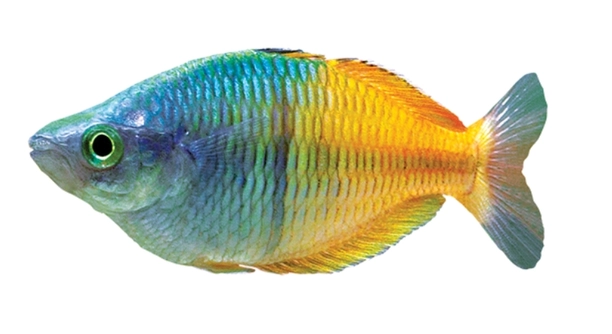
Rainbow fish are known for their vibrant colors and lively movements. However, sometimes they swim rapidly and then stop abruptly, which may seem puzzling to those observing them. Understanding this behavior can be helpful for any fish enthusiast.
The rapid swimming followed by a sudden stop in rainbow fish is often linked to their natural hunting instincts and environmental stimuli. This erratic behavior can be triggered by the presence of prey, territorial challenges, or changes in water conditions.
These factors contribute to their unique swimming patterns. Gaining insight into why rainbow fish behave this way will help you create a better environment for their well-being.
Why Rainbow Fish Swim Rapidly
Rainbow fish are naturally energetic swimmers. They tend to swim rapidly when they feel excited or challenged. This behavior can often be observed when they are chasing after food, exploring their environment, or reacting to a shift in their surroundings. They use fast movements to navigate through water, searching for potential mates or territorial space.
These quick bursts of speed are not a sign of distress but a normal part of their natural instincts. Rainbow fish use their agility to survive in the wild, where being fast can help them escape predators or catch prey. In a tank, they may show this behavior when there are changes in the environment, such as new objects or fish introduced to the tank.
When this rapid movement occurs, it’s often an indication that the fish is healthy and active. However, constant rapid swimming without pauses might indicate stress. It’s important to monitor other behaviors to determine if there’s an underlying issue.
Reasons for Sudden Stops
Rainbow fish also have moments when they suddenly stop swimming. This can be linked to several reasons. Often, they pause to rest, digest food, or observe their surroundings for potential threats.
When rainbow fish stop swimming abruptly, it may also be a sign of alertness. In the wild, this helps them stay aware of their environment. If something seems off, they will stop to reassess the situation before continuing their activity. It’s also common for them to stop swimming when interacting with other fish, especially if they are competing for space or food.
How to Keep Them Healthy
To keep your rainbow fish healthy, ensure they have a balanced environment. Proper tank conditions such as stable water temperature, good filtration, and space to swim are essential for their well-being. Adding plants, rocks, or decorations can give them a sense of security, which may reduce unnecessary stress that could cause excessive or erratic swimming.
Be mindful of tank mates, as aggressive fish can disrupt the calm behavior of rainbow fish. Regular water changes and monitoring of pH levels will help them thrive. When the environment is suitable, rainbow fish will exhibit natural and healthy behaviors, including their energetic swimming and sudden pauses.
Environmental Factors Affecting Swimming Patterns
Changes in water temperature or quality can trigger erratic swimming behavior in rainbow fish. If the water becomes too warm or too cold, they may increase their swimming speed. Sudden temperature shifts are particularly stressful and could lead to fast swimming followed by a sudden stop, as the fish tries to adjust.
Water quality is just as important. High levels of toxins, such as ammonia, can stress rainbow fish, causing them to swim in bursts before pausing to rest. If their environment is unbalanced, they may show more erratic movements as a sign of discomfort. Regular testing and adjustments to the water can help keep your rainbow fish at ease.
To minimize stress, maintain stable water conditions. Use a reliable filtration system, and perform frequent water changes to ensure it stays clean and clear. Pay attention to the temperature and avoid sudden shifts that can negatively impact their behavior.
Interaction with Other Fish
Rainbow fish may alter their swimming patterns when introduced to new tank mates. If there are other more dominant fish present, the rainbow fish might swim faster or more erratically, especially when defending their space. This often results in them swimming rapidly to avoid confrontation, then pausing to monitor the situation.
This behavior is typical of schooling fish, which prefer to stay close together. When one fish senses danger or a change in their environment, the others tend to follow, often swimming rapidly together. If there’s a lack of space in the tank or overcrowding, this behavior can become more frequent.
To avoid unnecessary stress, ensure that all fish in the tank are compatible. Keep an eye on the hierarchy and introduce new fish gradually to avoid shocking your rainbow fish into defensive or erratic swimming. Proper tank size and a good number of hiding spots can also ease tensions.
Health Issues That Can Affect Swimming
Health issues like parasites or fin rot can cause rainbow fish to swim erratically. When they feel discomfort, they may move rapidly to try and shake off the irritation before stopping to rest. It’s important to watch for any signs of illness, such as faded colors or lethargy.
Infected or stressed fish often exhibit erratic swimming patterns. If their behavior becomes increasingly erratic, there may be an underlying health concern. Early intervention with proper treatment is essential to prevent the spread of illness and help restore their normal behavior. Healthy fish swim with more control and consistency.
Handling Stress from Overcrowding
Overcrowding in the tank can lead to increased stress for rainbow fish, triggering fast swimming and sudden halts. Fish need enough space to swim comfortably, and when they don’t have it, their behavior can become more unpredictable. Adding more hiding spots or rearranging decorations may help.
If overcrowding continues, rainbow fish may start to show signs of aggression, territorial disputes, or even exhaustion. It’s best to maintain the right stocking density for the fish’s size and activity level. Ensuring enough space for each fish to establish its own area can reduce anxiety and improve swimming patterns.
The Role of Lighting
Lighting can play a big role in how rainbow fish behave. Bright, constant lighting can stress them out, causing them to swim quickly, followed by pauses to escape from the intensity. Dim or fluctuating lighting can also make them more cautious or skittish.
Rainbow fish generally prefer stable, moderate lighting. To create a calming environment, try using a gentle light cycle with softer lights, especially if your fish seem to swim more erratically under harsh lighting. Proper light management can lead to more peaceful, rhythmic swimming behaviors and less stress.
FAQ
Why do rainbow fish swim so fast?
Rainbow fish swim quickly for a variety of reasons. In the wild, their fast movements help them escape predators or catch food. In a tank, fast swimming can occur when they are excited or when responding to changes in their environment. This rapid swimming is part of their natural behavior, especially when they are exploring or hunting.
Is it normal for rainbow fish to stop swimming suddenly?
Yes, it is normal for rainbow fish to suddenly stop swimming. This pause usually happens when they are resting, digesting food, or observing their environment. In the wild, stopping helps them stay aware of potential threats. In a tank, it can indicate the fish is assessing its surroundings or dealing with stress.
What can cause rainbow fish to swim erratically?
Erratic swimming in rainbow fish can be caused by several factors, including stress, changes in water conditions, illness, or overcrowding. If the fish are feeling threatened or uncomfortable, they might swim quickly and then stop, repeating this pattern. Keeping the water quality stable and monitoring tank conditions can help reduce erratic swimming.
How can I tell if my rainbow fish is stressed?
Stressed rainbow fish might swim rapidly, then suddenly stop, or they may exhibit other signs like hiding, faded colors, or clamped fins. Stress can result from poor water quality, overcrowding, or incompatible tank mates. If you notice these symptoms, it’s important to assess the tank environment and make necessary changes to reduce stress.
Can rainbow fish swim too much?
While rainbow fish are active swimmers, excessive swimming could be a sign of stress, discomfort, or an underlying health issue. If your fish constantly swim rapidly without resting, check the water quality and other factors that could be causing stress. A healthy fish should have a balanced swimming pattern, with periods of rest.
What is the best tank size for rainbow fish?
Rainbow fish require a tank that provides enough space for them to swim freely. A minimum tank size of 30 gallons is recommended for a small school, with an additional 10 gallons per added fish. This ensures they have enough room to move without feeling crowded or stressed.
How can I prevent rainbow fish from becoming too stressed?
To reduce stress in rainbow fish, keep their tank environment stable. Maintain proper water quality with regular water changes and proper filtration. Provide hiding spots and plants to create a secure environment. Also, ensure that tank mates are compatible and avoid overcrowding, as these factors can contribute to stress.
Do rainbow fish need a specific water temperature?
Yes, rainbow fish thrive in warm water, typically between 74°F and 80°F (23°C to 27°C). Maintaining this temperature range helps them feel comfortable and promotes healthy behavior. Use an aquarium heater to regulate the temperature, especially in cooler environments, to prevent stress caused by temperature fluctuations.
How often should I feed rainbow fish?
Rainbow fish should be fed once or twice a day, with only as much food as they can consume in a few minutes. Overfeeding can lead to water quality issues and obesity. Offer a variety of foods, including flakes, pellets, and occasional live or frozen foods, to provide a balanced diet.
Are rainbow fish easy to care for?
Rainbow fish are relatively easy to care for, but they do require a stable environment. They need clean, warm water and enough space to swim. With proper care, including regular water changes and proper tank conditions, rainbow fish can thrive in a home aquarium.
Can rainbow fish live with other species?
Yes, rainbow fish can live with other species, but it’s important to choose tank mates carefully. They are peaceful and do well in community tanks with other non-aggressive fish. Avoid keeping them with overly territorial or aggressive species, as this can cause stress and erratic behavior in your rainbow fish.
How can I tell if my rainbow fish is sick?
Signs of illness in rainbow fish can include faded colors, lethargy, loss of appetite, and abnormal swimming patterns like erratic or slow movements. If you notice these signs, check the water quality and look for visible signs of disease, such as lesions or cloudy eyes. Prompt treatment can prevent further issues.
What should I do if my rainbow fish is not swimming?
If your rainbow fish is not swimming, it may be ill or stressed. First, check the water parameters, including temperature, pH, and ammonia levels, as poor water quality can cause inactivity. If everything seems normal, look for signs of illness and consider consulting a vet or aquarium specialist.
Final Thoughts
Rainbow fish are active and engaging creatures that can provide a lot of enjoyment in a home aquarium. However, their behavior can sometimes seem puzzling, especially when they swim rapidly and then stop. This pattern can be perfectly normal, as it reflects their natural instincts and responses to their environment. Understanding the reasons behind this behavior is crucial in maintaining a healthy and comfortable environment for them. Factors like water temperature, quality, and tank mates can influence their swimming patterns, so it’s important to regularly monitor and adjust their surroundings to ensure they thrive.
Proper care and attention to your rainbow fish’s needs can reduce stress and promote more predictable, healthy swimming behaviors. Regular water changes, appropriate temperature control, and providing adequate space in the tank are simple yet effective ways to keep your fish happy. Stress from overcrowding, poor water quality, or incompatible tank mates can lead to erratic swimming and other signs of discomfort. By addressing these factors and making adjustments when necessary, you can help your rainbow fish feel safe and secure, resulting in a more stable swimming pattern.
While occasional rapid swimming followed by stillness is normal, persistent erratic behavior may indicate underlying issues such as illness or stress. It’s essential to be observant and proactive in caring for your fish. If you notice signs of illness or abnormal behavior, don’t hesitate to make adjustments or consult an expert. With proper care and a stable environment, your rainbow fish will not only swim more comfortably but also live a healthier, happier life. Keeping these factors in mind will help ensure that your fish can display their natural beauty and energy without unnecessary stress.

Hello,
If you enjoy the content that we create, please consider saying a "Thank You!" by leaving a tip.
Every little bit helps us continue crafting quality advice that supports the health, happiness, and well-being of pets around the world, for pets of all shapes, sizes, and species.
We really appreciate the kindness and support that you show us!