
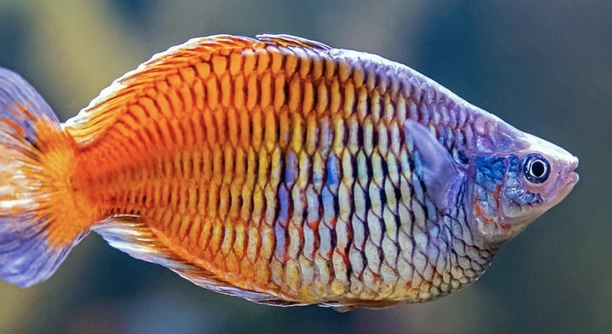
Rainbow fish are vibrant and lively creatures, often found swimming around their tanks in a soothing rhythm. Many owners wonder if these fish can notice movement outside their aquatic homes. This curiosity leads to questions about their behavior and awareness.
Rainbow fish, like most fish, have a limited ability to see beyond their tank. They are responsive to movement outside, but their vision is focused on objects within the water. Fish rely more on their senses of smell and vibration than sight for interaction.
Understanding their sensory world can help you create a more engaging environment for these colorful fish. With simple adjustments, you can ensure they stay comfortable while observing their surroundings.
Rainbow Fish and Their Vision
Rainbow fish are equipped with unique visual abilities. Their eyes can pick up movement, though they are not as sharp as humans. They can detect movement in the tank and are often seen reacting to it. However, their vision is adapted for underwater life, where clarity is different than what we experience on land. Outside the tank, their perception is more limited.
They rely more on vibrations and scents to understand their surroundings. This means that while they might notice movement through the glass, they don’t interpret it the same way we do. Instead, the fish are often reacting to sounds or slight changes in water pressure, which they can detect through their sensory systems. This is why they sometimes swim toward or away from the side of the tank when you approach.
In the wild, rainbow fish use their keen senses to detect predators or other fish, often relying on more than just sight. Their ability to sense disturbances in the water helps them navigate and stay safe. Back in the tank, any movement outside might trigger a response, but it doesn’t necessarily mean they are fully aware of what’s happening on the other side of the glass.
Creating a Comfortable Tank Environment
The setup of your tank plays a big part in how your rainbow fish interact with their surroundings. When there’s movement outside, they may become stressed if they feel threatened.
To ensure your rainbow fish are calm, it’s essential to provide a balanced environment. This includes placing plants or decorations in the tank that help them feel secure. Keeping the area around the tank quiet and free from sudden movements can also prevent unnecessary stress. When they feel safe, they’ll be more likely to enjoy their surroundings and display their natural behavior.
Fish Behavior and External Movement
Rainbow fish can sense movement outside the tank, but they don’t interpret it the same way humans do. Their responses are often linked to changes in water vibrations or light. These reactions might seem like curiosity, but it’s usually a survival instinct to monitor any disturbance.
Fish are often drawn to movement, even if they don’t fully understand what’s happening. Their instinct tells them to check for potential threats. In a tank, this can result in sudden swimming patterns or following the movement of people outside the tank. They may swim toward the glass, reacting to external stimuli like shadows or changes in light. This behavior is normal and often harmless, as long as they aren’t constantly stressed by it.
In their natural habitat, these fish would be aware of larger animals or predators through sound and movement in the water. However, inside a tank, the glass barrier changes their ability to gauge distance and size. Even so, the sight of something moving outside can trigger responses like darting or hovering near the glass. This instinctual behavior is rooted in their natural survival mechanisms.
Light and Glass Reflection Effects
The glass tank itself can play a role in how rainbow fish react to movement outside. Sometimes, fish are drawn to reflections they see on the glass. This can make it look like they are more interested in the outside world than they truly are.
The glass can create a mirrored effect, especially when the lighting is bright or the environment around the tank is changing. When the light reflects off the glass, rainbow fish might mistake their own reflections for other fish or threats. This can cause them to approach the glass, investigate, or even show defensive behavior. Although they may be curious, it’s more likely they are trying to assess what they see, without fully understanding it.
Keeping the lighting in the room consistent or slightly dimmed can reduce the intensity of these reflections. Fish will then focus more on the environment inside their tank, rather than on distracting reflections. This simple adjustment can help create a more peaceful space for your rainbow fish.
Fish Sensory Perception
Rainbow fish rely heavily on their other senses to understand the world around them. While they can detect some movement outside the tank, it’s their sense of smell and vibrations that are more significant in how they interpret their environment.
They use sensory organs to detect water currents, vibrations, and even changes in water chemistry. This helps them react to potential threats or find food. These senses guide them more than sight, allowing them to be aware of their surroundings without needing clear vision.
Maintaining Tank Clarity
The cleanliness of your tank affects how rainbow fish respond to their environment. Cloudy or dirty water can obscure their view and make them more sensitive to movement, as they rely on clearer vision to feel secure.
Regular tank maintenance, such as changing the water and cleaning the filter, ensures the environment remains stable. A clean tank not only improves the health of your fish but also reduces stress caused by visual distractions. If the water is murky, the fish may become more anxious, reacting more frequently to external movements, even if they’re not fully aware of their cause.
Effects of Tank Size
The size of the tank influences how rainbow fish react to outside stimuli. In smaller tanks, fish may feel more confined, leading to heightened stress responses when they sense movement. A larger tank can provide them with more space, allowing them to move freely and focus on their immediate surroundings.
In a cramped tank, even small disturbances outside the glass can cause them to react with heightened anxiety. Offering a larger environment helps reduce stress and allows the fish to explore and interact with the space more naturally. This makes for a more balanced and peaceful living situation for your rainbow fish.
FAQ
Do rainbow fish like light?
Rainbow fish do enjoy light, but it should be at a level that mimics natural daylight. Bright lighting can make them more active, but overly harsh or direct lighting might stress them out. It’s important to provide a day-night cycle to keep them comfortable. A light that mimics the natural day and night rhythm will allow your rainbow fish to thrive. Too much light could also cause algae to grow in the tank, which can make the fish’s environment less pleasant.
Can rainbow fish recognize their owners?
Rainbow fish may not recognize their owners the way pets like dogs or cats do. However, they can learn to associate your presence with feeding time or other activities. They might swim toward you when they see you, expecting food, but it’s more of a conditioned response than personal recognition. Fish don’t have the same level of cognitive processing as mammals, so their reactions are more driven by instincts and patterns rather than memory or affection.
Why do rainbow fish swim towards the glass?
Rainbow fish may swim toward the glass due to the light reflections, external movement, or curiosity. It’s also common for fish to approach the glass when they feel there’s something new in their environment. The reflections can sometimes confuse them into thinking there is another fish, which might lead to them swimming towards it. This behavior is typically harmless but can be reduced by managing the lighting and avoiding sudden movements around the tank.
Are rainbow fish social?
Rainbow fish are generally social animals and enjoy being in groups. They feel more secure when they are surrounded by others of their kind. Keeping them in schools can help reduce stress, and they will often display more vibrant colors and more natural behaviors when they have company. However, they can still live alone if necessary, though they may not be as active or display the same level of confidence as they would in a group.
How do I know if my rainbow fish are stressed?
Stressed rainbow fish might display a few telltale signs, such as erratic swimming, hiding more than usual, or losing their bright coloration. Stress can be caused by poor water conditions, too much external movement, overcrowding, or a lack of proper tank mates. If you notice any changes in their behavior or appearance, it’s a sign that something in their environment needs adjustment. Ensuring a stable tank with appropriate conditions can help reduce these stress responses.
What type of water conditions do rainbow fish need?
Rainbow fish prefer slightly alkaline water, with a pH range of 7.0 to 8.0. They also thrive in a temperature range of 72°F to 79°F (22°C to 26°C). Maintaining stable water conditions is essential for their health. Regular water changes, proper filtration, and monitoring ammonia, nitrite, and nitrate levels are necessary to keep the environment safe for your rainbow fish. Their sensitivity to drastic changes in water quality means you should always monitor the tank and make adjustments as needed.
How much space do rainbow fish need?
Rainbow fish are active swimmers and need adequate space to move around. A tank size of at least 30 gallons is recommended for a small school of rainbow fish. If you want to keep several fish together, you’ll need even more space to ensure they are not overcrowded. The more room they have, the more comfortable and healthy they will be, and they will have more opportunities to exhibit natural behaviors. A spacious tank also reduces the stress caused by limited space and prevents issues like aggression between fish.
Can rainbow fish live with other species?
Rainbow fish are peaceful and can coexist with other non-aggressive species. They do well in community tanks, as long as the other fish are not too large or territorial. Fish like tetras, guppies, and other small peaceful species make good tank mates. However, it’s important to avoid aggressive fish or those that might outcompete them for food. Rainbow fish can also be territorial if kept in too small a space or with the wrong tank mates, so it’s essential to consider the dynamics of your tank before introducing new species.
How do I feed rainbow fish?
Rainbow fish are omnivores and need a balanced diet of both plant and animal-based foods. You can feed them high-quality flake or pellet food, supplemented with live or frozen food like brine shrimp, daphnia, or bloodworms. Adding some leafy greens like spinach or lettuce will provide variety. Feeding them small amounts multiple times a day is better than overfeeding them all at once. It’s also important to monitor how much they eat, as uneaten food can quickly degrade water quality.
Do rainbow fish require a filter?
Yes, rainbow fish require a filter to maintain clean water. Fish are sensitive to poor water quality, so a good filtration system helps remove toxins and debris, ensuring that the water stays healthy. A filter also provides necessary water movement, which rainbow fish enjoy. Without proper filtration, harmful waste products can build up, leading to poor water conditions and stress for your fish. Regularly cleaning the filter and changing the filter media will help maintain the tank’s health.
How long do rainbow fish live?
Rainbow fish typically live for around 5 to 8 years, although their lifespan can vary depending on the quality of their environment and care. Proper tank maintenance, good water quality, and a balanced diet are key to ensuring a long life. If they are kept in ideal conditions, they may even live longer. Regular checkups on their health and the tank conditions will help prevent common issues that could shorten their lifespan.
Final Thoughts
Rainbow fish are fascinating creatures that can bring a lot of color and life to your aquarium. Understanding their behavior, especially how they react to movement outside their tank, helps you create an environment where they feel safe and comfortable. While these fish can detect movement through their tank’s glass, their primary way of interpreting the world is through senses like vibrations and smell. This means they don’t fully understand what’s going on outside the tank but are still affected by the changes they sense.
Their behavior, like swimming towards the glass, may seem like they are interacting with the outside world, but it’s usually a response to light reflections, vibrations, or curiosity. These responses are normal and a part of their instinct to monitor their surroundings. With the right setup and care, you can reduce any stress caused by these external movements, ensuring that your rainbow fish feel secure. Consistent tank conditions, a clean environment, and proper space can make a big difference in keeping them healthy and happy.
In the end, the key to a successful tank with rainbow fish is paying attention to their needs and understanding how they interact with their environment. Providing them with the right space, tank mates, and sensory stimulation will help them thrive. By creating a peaceful atmosphere and maintaining good water quality, you will have a vibrant aquarium filled with colorful fish that can grow and live comfortably for many years. Rainbow fish are beautiful and resilient, and with the proper care, they can add joy and color to your home for a long time.

Hello,
If you enjoy the content that we create, please consider saying a "Thank You!" by leaving a tip.
Every little bit helps us continue crafting quality advice that supports the health, happiness, and well-being of pets around the world, for pets of all shapes, sizes, and species.
We really appreciate the kindness and support that you show us!