
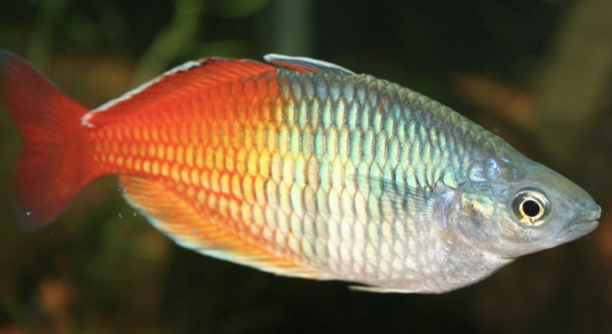
Rainbow fish are known for their vibrant colors and lively movements. Understanding why they prefer specific water speeds can help ensure their well-being and happiness in their aquatic environment. This preference influences their behavior and health.
Rainbow fish thrive in specific water speeds, as these conditions mimic their natural habitats. Faster currents allow for better oxygenation and stimulate their natural swimming behavior. Maintaining appropriate water flow is essential to their physical and mental health.
Adjusting water speed can significantly impact your rainbow fish’s overall quality of life, ensuring a healthier, more comfortable environment for them.
Importance of Water Speed for Rainbow Fish
Rainbow fish prefer specific water speeds due to their natural habitat preferences. In the wild, these fish live in rivers with varying currents, and they are adapted to swimming in these conditions. Fast-moving water helps them maintain physical fitness and aids in oxygen intake. When placed in still water, rainbow fish may appear sluggish, as it does not provide the same stimulation they are used to in their natural environment. As a result, keeping them in a tank with the right flow speed can prevent stress and support their natural behavior.
Water speed also influences the fish’s ability to feed. In nature, the movement of water helps to bring food particles to them. In aquariums, replicating this current is important to keep the fish active and engaged. Without adequate water flow, rainbow fish may become disinterested in their surroundings, affecting their health and happiness. A steady water current also prevents the buildup of waste, which would otherwise pollute the water and harm the fish.
Factors Affecting Water Flow
Water speed is influenced by multiple factors, including the size of the tank, the filter, and the layout. In smaller tanks, water movement is more restricted, and adding a strong filter can disrupt the fish’s comfort.
To maintain a balanced water flow in the tank, choose equipment that matches the size of the aquarium. A filter with adjustable flow rates is essential to tailor the water speed to the needs of the fish. Consider placing plants or decorations to create pockets of calm water where the fish can take breaks. However, make sure the flow is not too strong, as it can lead to exhaustion for the rainbow fish. Keeping these factors in mind will create an environment that mimics their natural habitat and promotes their well-being.
Maintaining Ideal Water Speed
Maintaining the right water speed is crucial for the health of rainbow fish. Too much current can stress them, while too little can leave them lethargic. Regular adjustments based on the fish’s behavior are necessary for optimal comfort.
When setting up the aquarium, use an adjustable filter to control the water flow. Observe the fish’s movements; if they swim vigorously, the current may be too strong, but if they remain still near the surface, the current is likely too weak. You can also use filter diffusers to help spread the flow more evenly across the tank. Regular water changes can help maintain the flow, as stagnant water can affect both the fish and the filter’s effectiveness.
In addition, ensure the tank’s layout isn’t blocking the flow. Plants, rocks, and decorations should be strategically placed to create flow zones. Rainbow fish prefer areas with moderate current, so maintaining spaces where they can swim freely is key. Keep the flow balanced to ensure the fish remain active without experiencing unnecessary strain.
The Role of Water Speed in Feeding
Water flow can impact how rainbow fish find and consume food. In nature, they swim through currents to capture food particles. Without movement in the tank, feeding can become less stimulating, affecting their health.
To mimic this, you can use a feeder ring or drop food near areas of moderate current. This encourages the fish to swim and forage, keeping them active and engaged. Proper flow helps break down food particles, making them easier to capture. Avoid overfeeding, as excess food can settle at the bottom and pollute the water.
Adjusting Water Flow for Different Tank Sizes
In smaller tanks, controlling water speed can be tricky. Strong currents in a small tank can overwhelm rainbow fish, while too little movement leads to stagnation. Use a filter that suits the tank size to keep the water flow appropriate.
In a smaller aquarium, you can use a sponge filter or a gentle powerhead to ensure a steady, manageable current. This allows the rainbow fish to swim freely without feeling pushed around. Placement of decorations can help break up the flow, creating calmer areas where the fish can rest when needed.
Understanding Fish Behavior and Water Flow
Rainbow fish are sensitive to changes in water speed. They react to strong currents by swimming against the flow, which can tire them out quickly. A gentle, consistent current mimics their natural habitat and supports healthy behavior.
If you notice your fish staying near the water’s surface or hiding, it could indicate the flow is too harsh. Adjusting the filter or adding a diffuser will help maintain a consistent flow that keeps the fish comfortable and active. This balance is key for their overall well-being.
Benefits of Proper Water Speed for Rainbow Fish
Proper water speed improves the health of rainbow fish by providing them with the physical activity they need to stay fit. It also ensures they have access to adequate oxygen levels and prevents stagnation.
FAQ
What happens if the water flow is too strong for rainbow fish?
If the water flow is too strong, rainbow fish can become stressed and exhausted. They may struggle to swim, often seeking shelter in calmer areas of the tank. Prolonged exposure to high water speeds can lead to physical strain and even health issues, such as damaged fins or body fatigue. It is important to adjust the filter or add diffusers to reduce the intensity of the current, allowing the fish to move comfortably throughout the tank.
How do I know if my rainbow fish are comfortable with the water flow?
Observing the fish’s behavior is key. If they are swimming normally, actively foraging, and moving freely across the tank, the water flow is likely appropriate. However, if they appear lethargic, struggle to swim, or hide frequently, the flow may be too weak or too strong. In such cases, adjusting the flow will help keep the fish more active and healthier.
Can I use a powerful filter in a tank with rainbow fish?
A powerful filter can be used in a tank with rainbow fish, but it should be adjustable to control the water flow. Filters that are too strong can create chaotic currents, which may not be suitable for rainbow fish. It is better to choose a filter with adjustable settings, or add a filter diffuser to spread the flow more evenly.
What kind of filtration system is best for rainbow fish?
For rainbow fish, a gentle filtration system works best. A sponge filter or a filter with adjustable flow settings is ideal. These filters provide necessary filtration without creating overly strong currents. It is important to select a system that fits the size of your tank and meets the needs of the fish.
How does water speed impact the oxygen level in the tank?
Water speed plays a crucial role in oxygenation. Faster currents tend to promote better oxygen exchange at the water’s surface, ensuring that oxygen is properly circulated throughout the tank. On the other hand, stagnant water or slow-moving currents can reduce oxygen levels, potentially leading to health issues for your rainbow fish. A gentle current helps maintain oxygenation without overwhelming the fish.
Can rainbow fish live in still water?
Rainbow fish prefer moderate to fast-moving water, as they are accustomed to currents in their natural habitat. While they can survive in still water, they will likely become less active and may exhibit signs of stress. It is essential to provide them with a current that mimics their natural environment to ensure they stay healthy and engaged.
What are some signs that the water speed is too slow for rainbow fish?
If the water speed is too slow, rainbow fish may exhibit signs of inactivity, such as staying near the surface or hiding. They may also show a lack of interest in food, as slow-moving water does not simulate their natural feeding conditions. Ensuring the right flow encourages natural foraging and keeps the fish active.
How do I adjust water speed in a small tank?
In a small tank, water speed can be adjusted by using a low-flow filter or a sponge filter. These filters provide gentle circulation without overwhelming the fish. You can also add diffusers to break up strong currents and create calm areas where the fish can rest. Monitoring the fish’s behavior will help determine if adjustments are needed.
Is it okay to have water flow in only one part of the tank?
Having water flow in only one part of the tank can create a stagnant area that may not be ideal for the fish. Rainbow fish prefer moderate currents throughout the tank, but it’s okay to have some areas with weaker flow. Ensuring proper circulation across the entire tank helps maintain water quality and prevents the buildup of waste.
How often should I adjust the water flow for rainbow fish?
It’s essential to observe your rainbow fish regularly to determine if the water flow needs adjustment. The flow should be adjusted if you notice signs of stress, inactivity, or excessive hiding. Seasonal changes or tank setup changes may also require flow adjustments. Generally, check the water flow every few weeks to ensure the fish are comfortable.
Can I add plants or decorations to reduce strong currents?
Yes, plants and decorations can help reduce strong currents in certain areas of the tank. Placing taller plants or rocks in strategic locations can create areas with slower flow where the fish can take a break. However, avoid blocking the entire flow of water, as this can lead to stagnant spots that may negatively affect the tank’s water quality.
Do I need to change the water flow if I have other types of fish?
If you have other fish species alongside rainbow fish, their water flow preferences should also be considered. Some fish, like bettas, prefer calm water, while others may thrive in stronger currents. It’s important to balance the needs of all the fish in the tank. Providing areas with varying flow speeds can allow different species to thrive without compromising the comfort of any individual fish.
How does water speed affect rainbow fish breeding?
Proper water flow is crucial during breeding. Strong currents can disrupt breeding behavior, while stagnant water may not encourage the necessary physical activity. For rainbow fish to breed successfully, it’s best to have moderate water flow that allows them to swim comfortably while stimulating natural behavior.
Final Thoughts
Understanding the role of water flow in your aquarium is essential for maintaining the health of rainbow fish. These fish thrive in environments with moderate to strong currents, as it mimics their natural habitats. A well-balanced water speed encourages the fish to swim actively, which is crucial for their physical well-being. If the flow is too strong, it can cause stress and exhaustion, while weak currents can make them lethargic and less engaged. Regularly assessing and adjusting the flow ensures that the fish remain active, healthy, and comfortable in their environment.
A key part of keeping rainbow fish happy is observing their behavior and adjusting the water flow accordingly. If they swim effortlessly throughout the tank, it is likely that the current is just right. However, if they struggle to move or hide often, it may indicate that the flow is too strong or too weak. Filters with adjustable flow settings and diffusers are effective tools for managing water speed in the tank. Creating areas with varying water speeds can also help, allowing rainbow fish to find a space that suits their needs.
Ultimately, maintaining an appropriate water flow will not only improve the comfort of your rainbow fish but also contribute to the overall health of the tank. Proper circulation supports oxygen exchange, prevents stagnation, and helps with waste removal. With the right flow, your rainbow fish will have a better chance to thrive, feeding, swimming, and breeding naturally. By keeping their needs in mind and adjusting the tank setup as required, you can provide a healthy and thriving environment for your fish to enjoy.

Hello,
If you enjoy the content that we create, please consider saying a "Thank You!" by leaving a tip.
Every little bit helps us continue crafting quality advice that supports the health, happiness, and well-being of pets around the world, for pets of all shapes, sizes, and species.
We really appreciate the kindness and support that you show us!