
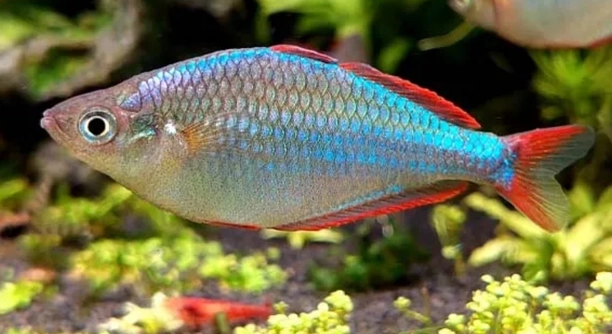
Rainbow fish and shrimp can make beautiful additions to a home aquarium, but pairing them together requires consideration. Understanding their behavior and environmental needs is key to creating a peaceful, thriving tank for both species.
Rainbow fish and shrimp can be kept together in the same tank, but it depends on the specific species and tank conditions. Rainbow fish are typically peaceful but may accidentally harm smaller or slower shrimp if not properly managed.
Knowing how to balance these species will ensure that your aquarium remains a harmonious environment for both. Keep reading to learn how to make this unique pairing work in your tank.
Understanding Rainbow Fish Behavior
Rainbow fish are known for their peaceful nature but can be quite active. They tend to swim in schools and are generally not aggressive. However, their speed and energy might unintentionally stress or disturb smaller creatures in the tank, like shrimp. In larger tanks, rainbow fish are less likely to bother shrimp, as they have more space to move. It’s important to observe their interactions closely to ensure that they are not harassing the shrimp.
In smaller tanks, it might be challenging to keep both species together. The confined space could lead to more interaction and stress for the shrimp, especially if the rainbow fish become too curious or playful.
To keep your rainbow fish and shrimp healthy, be sure to offer hiding spaces for the shrimp. This will help them avoid any potential stressors caused by the rainbow fish. Additionally, maintain a tank that mimics their natural habitat to encourage a peaceful environment.
Shrimp Behavior in the Tank
Shrimp are much slower and more vulnerable than rainbow fish. They spend most of their time scavenging for food along the tank floor, which makes them an easy target for more active tank mates.
To protect your shrimp, it’s essential to introduce hiding spots like plants, caves, or even decorations they can hide behind. This provides them with a sense of security and reduces the risk of being pursued by the rainbow fish. It’s also important to ensure the tank has areas where shrimp can forage undisturbed.
Shrimp’s primary concern is safety, and creating the right environment with plenty of hiding spots helps them feel secure. Rainbow fish are typically not aggressive but can be curious. If a shrimp feels threatened, it can retreat into the hiding spots you’ve provided, which helps reduce stress for both species.
Tank Size and Space Requirements
The size of your tank plays a significant role in whether rainbow fish and shrimp can coexist. In a small tank, the limited space increases the chances of stress and territorial behavior. A larger tank provides enough room for the fish to swim freely and the shrimp to find shelter.
For rainbow fish and shrimp to live together peacefully, a tank of at least 30 gallons is ideal. This gives both species enough space to establish their own territories. It also helps reduce the chances of the rainbow fish disturbing the shrimp. In larger tanks, the fish can swim in schools, leaving the shrimp to feed and hide without constant interruptions.
Providing a spacious tank with a good filtration system is also important. Clean water helps both species thrive. With enough room to move around, rainbow fish and shrimp can live in harmony, avoiding unnecessary stress and allowing them to display their natural behaviors.
Tank Setup and Hiding Spots
Setting up your tank properly is essential for keeping both rainbow fish and shrimp. The addition of plants, rocks, or other decorations offers much-needed hiding spots for shrimp. These hiding spots provide shrimp with places to retreat when they feel threatened.
Having live plants in the tank not only benefits shrimp by offering shelter but also mimics their natural environment. It encourages natural behaviors, such as foraging and grazing on biofilm. Additionally, plants help maintain water quality by absorbing excess nutrients. Rainbow fish also appreciate having plants to swim through, as it makes them feel more comfortable in their environment.
By creating a tank that includes plants and hiding spots, you can give both species the opportunity to thrive without causing stress. This setup minimizes potential conflicts and allows for a more balanced ecosystem where each species can enjoy its own space.
Feeding Practices for Both Species
Rainbow fish and shrimp have different feeding habits. Rainbow fish are fast swimmers and often eat food that sinks slowly. Shrimp, on the other hand, scavenge and feed on leftovers that fall to the bottom.
To avoid competition, it’s important to feed each species in a way that caters to their feeding habits. Offer sinking pellets or food that slowly floats to the bottom for the shrimp. For the rainbow fish, provide flakes or food that stays at the surface, so both species get their fair share without interfering with each other.
Ensure you feed the shrimp small amounts regularly, as they can be slow to reach the food, and larger fish might take most of it.
Water Quality and Temperature Considerations
Maintaining stable water conditions is essential for both rainbow fish and shrimp. Rainbow fish prefer water with a slightly warmer temperature, between 72°F to 80°F, while shrimp thrive in temperatures between 68°F and 78°F. Regular monitoring of temperature and water parameters, including pH and hardness, is crucial.
It’s also important to check ammonia, nitrite, and nitrate levels to avoid harmful spikes that could stress or harm both species. Using a good filtration system and performing regular water changes will help maintain a healthy tank environment.
Healthy water promotes the well-being of both rainbow fish and shrimp, helping them live together without issue.
Potential Compatibility Issues
While rainbow fish and shrimp can live together, there are certain risks to consider. Rainbow fish may accidentally harm smaller shrimp, especially if they are fast-moving and curious. Larger shrimp are generally less at risk but still may become stressed by the fish.
Carefully monitoring the behavior of both species can prevent problems. If you notice the fish chasing or nipping at the shrimp, it might be necessary to rearrange the tank or provide more hiding spaces. In some cases, a different combination of species might be better suited for peaceful coexistence.
FAQ
Can rainbow fish harm shrimp?
Rainbow fish are generally peaceful, but they may harm shrimp accidentally, especially if the shrimp are small or slow. Their fast swimming and curious nature might lead them to chase or nip at the shrimp, particularly if they are exploring or feeding in the same area. To avoid this, ensure there are plenty of hiding spaces for the shrimp. Larger shrimp, like Amano shrimp, are less likely to be harmed but may still experience stress if the rainbow fish become too inquisitive.
What size tank do I need for rainbow fish and shrimp?
A tank of at least 30 gallons is ideal when keeping both rainbow fish and shrimp together. This size gives the fish enough room to swim in schools, which helps reduce territorial behavior. The shrimp will also have more space to find hiding spots and forage without being disturbed. A smaller tank may cause overcrowding, increasing stress for both species.
Are rainbow fish good tank mates for shrimp?
Rainbow fish can be good tank mates for shrimp as long as their behavior is monitored and the tank is set up properly. They are typically not aggressive, but their activity levels might stress out smaller shrimp. By providing hiding places for the shrimp and ensuring there’s enough room in the tank, they can coexist peacefully. Avoid overly small tanks, as this can lead to aggression or stress for both species.
How can I prevent rainbow fish from bothering my shrimp?
To prevent rainbow fish from bothering shrimp, make sure your tank has plenty of hiding spots. Use plants, rocks, and decorations to create areas where shrimp can retreat if they feel threatened. Additionally, feeding both species separately can reduce competition. For example, rainbow fish can be fed floating foods while shrimp get sinking pellets or food that drifts to the bottom. This ensures that each species gets their share without interference.
Do rainbow fish and shrimp need the same water conditions?
Rainbow fish and shrimp have slightly different water preferences, but they can share a tank if the water conditions are well-maintained. Rainbow fish prefer a slightly warmer temperature (72°F to 80°F), while shrimp thrive in temperatures between 68°F and 78°F. Keeping the water temperature within this range will help both species stay healthy. Additionally, both species require clean, well-filtered water with stable pH and hardness levels. Regular water changes and monitoring water quality are essential for keeping both species happy.
What type of shrimp is best for keeping with rainbow fish?
Larger shrimp, like Amano shrimp, are better suited for tanks with rainbow fish due to their size and resilience. Smaller shrimp, such as cherry shrimp, are more vulnerable and might be at risk of being nipped by the fish. Amano shrimp are also excellent algae eaters and can help keep the tank clean. When choosing shrimp, consider the size of the shrimp relative to the size of the rainbow fish. Larger shrimp are less likely to be seen as food or targets for the fish.
Can shrimp live in a tank with fast-moving fish like rainbow fish?
Yes, shrimp can live with fast-moving fish like rainbow fish, but it depends on the tank setup. The key is to provide plenty of hiding spots for the shrimp to retreat to when they feel threatened. Fast-moving fish may intimidate slower, smaller shrimp, but as long as the shrimp have places to hide, they can coexist with the rainbow fish. A tank with live plants and decorations will help create a more natural environment where the shrimp can feel secure.
How often should I feed shrimp and rainbow fish?
Rainbow fish and shrimp should be fed separately to avoid competition for food. Rainbow fish can be fed once or twice a day with floating or slow-sinking foods. Shrimp, on the other hand, need smaller amounts of food, which can be provided once a day or every other day. It’s essential not to overfeed, as uneaten food can pollute the tank. Monitor the shrimp closely to ensure they are getting enough to eat, as they are slower to reach the food compared to the faster-moving fish.
Do rainbow fish need to be kept in schools?
Yes, rainbow fish do best when kept in schools of at least five to six individuals. Keeping them in groups helps reduce stress and promotes natural behavior, as they feel safer and more secure in larger numbers. A school of rainbow fish will also be less likely to harass or stress out other tank mates, including shrimp. If you’re keeping rainbow fish with shrimp, it’s especially important to have a school to reduce any potential aggression or territorial issues.
Are there any shrimp that are too small for a tank with rainbow fish?
Yes, smaller shrimp, such as baby cherry shrimp or ghost shrimp, may be too vulnerable in a tank with rainbow fish. These shrimp are slow-moving and easy targets for larger or more active fish like rainbow fish. It’s safer to keep larger shrimp species like Amano shrimp, which are hardier and less likely to be bothered by rainbow fish. Smaller shrimp may not survive in a tank with active fish unless they are provided with plenty of hiding spots and the tank is large enough to reduce stress.
Final Thoughts
Keeping rainbow fish and shrimp together can be a successful combination, but it requires careful consideration. Both species can coexist peacefully if the right conditions are met. The main factors to consider are tank size, water quality, and the specific species of shrimp and rainbow fish you choose. A larger tank, with plenty of hiding spots for the shrimp, will reduce the chance of stress or harm from the rainbow fish. When you set up your tank properly, both species can thrive together, creating a beautiful and diverse aquatic environment.
Understanding the behavior of both the rainbow fish and the shrimp is key to ensuring their compatibility. Rainbow fish are active and curious, which can sometimes lead to them disturbing slower-moving creatures like shrimp. However, by providing ample space and hiding areas for the shrimp, you can help them feel secure. It’s important to remember that larger shrimp species, such as Amano shrimp, are less likely to be at risk compared to smaller species, like cherry shrimp, which are more vulnerable to the fish’s curious behavior.
Finally, maintaining a balanced and clean tank environment is essential. Regular water changes, proper filtration, and monitoring water parameters will help both species stay healthy and reduce the chances of any issues arising. By ensuring the right setup, offering food in a way that prevents competition, and observing the behavior of your fish and shrimp, you can create a harmonious aquarium. When these steps are followed, you can enjoy the beauty of both rainbow fish and shrimp in the same tank, knowing that they are living in a healthy and comfortable environment.

Hello,
If you enjoy the content that we create, please consider saying a "Thank You!" by leaving a tip.
Every little bit helps us continue crafting quality advice that supports the health, happiness, and well-being of pets around the world, for pets of all shapes, sizes, and species.
We really appreciate the kindness and support that you show us!