
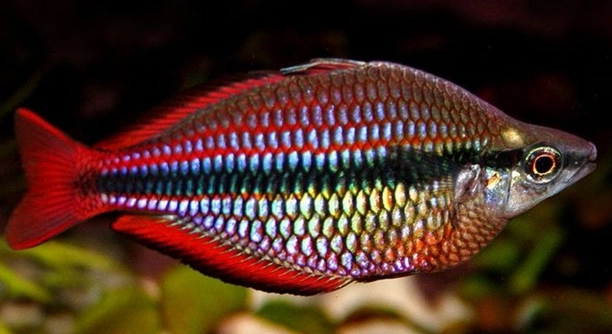
Rainbow fish are popular in aquariums for their vibrant colors and active behavior. Observing their daily habits can provide insight into their overall health and well-being. Spotting the signs of thriving fish ensures they are getting the care they need.
The most obvious indicators that your rainbow fish are thriving include clear, bright colors, active swimming, and consistent feeding. Their fins should be intact, and they should display normal social behavior with other fish. Healthy water conditions also play a key role.
Paying attention to these signs helps you maintain their health and enjoy their vibrant presence in your tank.
Vibrant Coloration: A Clear Indicator of Health
Rainbow fish are known for their stunning colors. When they are healthy, their scales will appear vivid and bright, reflecting light beautifully. Dull or faded colors often suggest a problem, whether it’s poor water conditions or stress. If your rainbow fish’s colors are vibrant, it’s a good sign that they are thriving. On the other hand, color loss might indicate a deficiency in their diet, an illness, or environmental stress.
Additionally, you should observe if their coloration remains consistent throughout the day. Any noticeable change could be a red flag. Healthy rainbow fish should also not have any discoloration, such as spots or patches. The key to maintaining their bright appearance is ensuring a stable and clean environment, which includes proper water temperature, pH, and filtration.
Healthy water conditions are essential for vibrant colors. You should check your water parameters regularly to prevent any harmful shifts. Regular water changes and keeping toxins at bay are the most straightforward ways to maintain a thriving tank.
Active Swimming Habits
Active swimming is another sign of a healthy fish. If your rainbow fish swim energetically throughout the tank, this shows they are comfortable and not stressed. Fish that hover at the surface or stay near the bottom may be struggling with water quality or an illness.
Healthy rainbow fish will often dart around in groups, particularly during feeding or playtime. Their activity level should remain consistent throughout the day, although it may vary with time of day and tank lighting. If your fish are frequently lethargic, it’s time to investigate the environment for possible issues.
Consistent Feeding Behavior
Rainbow fish should eat regularly without showing signs of hesitancy or disinterest in food. If your fish are feeding well and actively hunting for food, they are likely in good health. Any sudden lack of appetite or refusal to eat can indicate stress or illness.
You can encourage healthy feeding by offering a varied diet, which helps keep them excited and engaged. A combination of high-quality flakes, pellets, and occasional live or frozen foods is beneficial. Be mindful of not overfeeding, as this can harm the water quality and the fish. Regularly monitor the fish’s response to food.
A balanced diet plays a crucial role in their overall well-being. Ensure you’re providing food that matches their nutritional needs. This not only maintains their physical health but also supports their vibrant colors and energy levels. A well-fed rainbow fish is a sign of a thriving aquarium.
Healthy Fins and Body
A thriving rainbow fish will have intact fins, free from any tears, splits, or signs of disease. Their body should be free of visible wounds or unusual markings. The fins should appear smooth and fully extended, not clamped against the body.
If you notice that their fins are frayed or clamped, this could signal either a water quality problem or stress caused by other fish. Constantly monitor the fish for any irregularities and address the root cause immediately. Maintaining proper tank conditions can help prevent most of these issues.
In addition to observing the fins, look for smooth skin free of lesions or wounds. Healthy skin will be clear and shiny. Any irritation, redness, or unusual bumps could indicate external parasites or illness. Maintaining a clean tank and proper care helps ensure these issues are less likely to occur.
Normal Social Behavior
Rainbow fish are social creatures and should interact regularly with their tankmates. If your fish are swimming in groups, engaging with each other, or showing interest in their environment, they are likely thriving. Isolation or aggression toward others can signal issues.
Fish that maintain regular social interactions are typically healthy. Stress or illness can cause them to become reclusive or aggressive. Keep an eye out for any changes in their behavior, especially if they start to separate themselves from the group or appear overly shy.
Active Exploration of the Tank
A thriving rainbow fish will actively explore its environment, constantly investigating different parts of the tank. Healthy fish will move around the tank, searching for food, interacting with plants, and investigating any changes in their surroundings.
If your fish are consistently exploring, it’s a good sign they are comfortable in their environment. They enjoy having plenty of space and items to interact with, such as plants and decorations. A fish that’s not exploring may be stressed or unwell. Providing variety in the tank setup can help them remain active.
Clear Eyes
Healthy rainbow fish will have clear, bright eyes. Their eyes should not appear cloudy, sunken, or bulging. Any noticeable change in the eyes could indicate an infection or other health problem.
Inspect the eyes regularly. If they appear abnormal, it’s important to address the issue quickly to avoid further complications. Healthy eyes are a good indicator of overall health in your rainbow fish.
FAQ
How do I know if my rainbow fish are stressed?
Stressed rainbow fish often show signs such as clamped fins, erratic swimming, or hiding. They may also lose their vibrant colors or refuse food. Stress can be caused by poor water quality, overcrowding, or incompatible tankmates. It’s important to observe your fish for any sudden changes in behavior, as these can be early warning signs of stress.
What water conditions are best for rainbow fish?
Rainbow fish thrive in slightly acidic to neutral water, with a pH between 6.5 and 7.5. The water temperature should be kept between 72°F and 80°F (22°C to 27°C). Regular water changes are essential to maintaining these conditions and preventing the buildup of harmful toxins. A good filtration system also helps maintain stable water quality.
How often should I feed my rainbow fish?
Rainbow fish should be fed small amounts of food 2-3 times a day. It’s important to avoid overfeeding, as this can lead to water quality issues. Feed them enough so that they can consume the food within a few minutes. Offering a variety of foods, such as flakes, pellets, and frozen foods, ensures they get the proper nutrients.
Can rainbow fish live with other species?
Yes, rainbow fish are generally peaceful and can coexist with many other species. They tend to get along with other non-aggressive fish that have similar water requirements. Avoid keeping them with overly territorial or aggressive species, as this can cause stress or injury. Always ensure that tankmates are compatible.
What size tank is best for rainbow fish?
Rainbow fish need space to swim and thrive. A tank size of at least 30 gallons is recommended for a small group of rainbow fish. Larger tanks are better if you plan to keep multiple species or other fish. A spacious tank also helps maintain better water quality and reduces stress.
How do I know if my rainbow fish are sick?
Signs of illness in rainbow fish include lethargy, loss of appetite, abnormal swimming behavior, or physical symptoms like swelling or lesions. Keep an eye out for changes in appearance or behavior, as early detection is key. If you suspect an illness, isolate the affected fish and treat the tank accordingly.
What should I do if my rainbow fish are not eating?
If your rainbow fish are refusing food, it could indicate stress, illness, or water quality issues. Check the water parameters, and ensure that the tank conditions are ideal. Sometimes, switching up their food can also stimulate their appetite. If the issue persists, consult an aquarium professional or veterinarian.
Can I breed rainbow fish in a home aquarium?
Breeding rainbow fish in a home aquarium is possible with the right conditions. They typically require a well-planted tank with plenty of hiding spaces. It’s best to have a separate breeding tank, as rainbow fish are known to eat their eggs. Providing the right water temperature and feeding them a varied diet will encourage breeding behavior.
How can I improve the color of my rainbow fish?
The key to vibrant color in rainbow fish lies in providing them with optimal care. This includes maintaining high water quality, offering a varied and nutritious diet, and ensuring they have plenty of space to swim. Stress can cause their colors to fade, so maintaining a peaceful environment is crucial.
How do I handle tank maintenance for rainbow fish?
Tank maintenance is crucial for keeping rainbow fish healthy. Perform regular water changes, typically 20-30% weekly, to maintain good water quality. Clean the tank, filter, and equipment as needed to prevent debris and toxins from building up. Regularly monitor water parameters to ensure they stay within the ideal range for rainbow fish.
Final Thoughts
Rainbow fish are relatively easy to care for, as long as their environment is kept stable and their basic needs are met. By ensuring that the water quality is optimal, maintaining a consistent temperature, and feeding them a balanced diet, you can keep your fish healthy and vibrant. These simple steps will make a noticeable difference in the overall well-being of your fish.
Additionally, observing your rainbow fish daily is an effective way to catch any issues early. Whether it’s monitoring their color, behavior, or social interactions, paying attention to these signs can help you detect stress, illness, or any environmental changes that may need your attention. Regular maintenance, such as water changes and tank cleaning, plays a significant role in preventing potential problems from arising.
Ultimately, the key to keeping your rainbow fish thriving is consistency. Creating a stable and peaceful environment for them will promote their health and happiness. By following basic care guidelines and watching for any signs of trouble, you can enjoy these beautiful fish for years to come.

Hello,
If you enjoy the content that we create, please consider saying a "Thank You!" by leaving a tip.
Every little bit helps us continue crafting quality advice that supports the health, happiness, and well-being of pets around the world, for pets of all shapes, sizes, and species.
We really appreciate the kindness and support that you show us!