
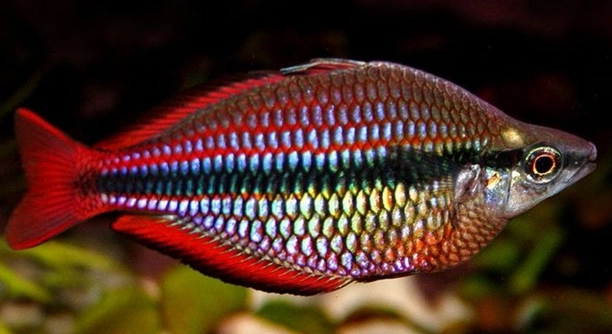
When you turn on the light, have you noticed that your rainbow fish suddenly freeze in place? This behavior can be a bit puzzling, especially when they’re typically so active in the tank.
Rainbow fish freeze when the light turns on due to their natural instinct to protect themselves from predators. The sudden change in lighting mimics the presence of a threat, causing them to become temporarily still in an effort to avoid danger.
This natural reaction is important for understanding their behavior and how they interact with their environment. Exploring the reasons behind it can help improve their living conditions and ensure they feel safe.
Why Rainbow Fish Freeze
Rainbow fish freeze in response to sudden changes in their environment, especially lighting. This freezing behavior is rooted in their instincts as a survival mechanism. In their natural habitats, any unexpected light or movement might signal the presence of predators. By becoming still, they can blend in and avoid detection. This reaction is a natural part of their behavior, especially when transitioning from darkness to light. While they appear frozen, it’s really just a temporary defense that ends once they feel it’s safe to move again. It’s important to remember that this behavior isn’t a sign of stress or health problems.
In your aquarium, this freezing moment typically lasts only a few seconds, after which they go back to their usual active swimming. It’s also crucial to note that how often this happens can depend on your aquarium’s lighting cycle. Sudden shifts in light can be more startling than gradual ones, leading to more frequent freezing.
Fish like rainbow fish rely on their instincts to stay safe. Adjusting lighting gradually can make them feel more comfortable in their environment. Slow transitions allow them to adapt, reducing the chances of freezing behavior. Consider dimming lights slowly instead of switching them on suddenly. Over time, rainbow fish can become accustomed to your tank’s lighting routine, making them less likely to react. Understanding their natural habits can help create a better environment, promoting their health and well-being. Small changes in your tank’s setup can make a big difference.
How to Reduce Freezing Behavior
If you want to reduce this freezing behavior, consistency is key. Having a regular light schedule helps your fish feel secure in their environment.
A gradual increase or decrease in lighting intensity can mimic natural day-to-night transitions. This method helps rainbow fish get used to the lighting changes without triggering their natural freeze response. By keeping the lighting cycle steady, you allow them to adjust without stress. A dimmer or timer could help manage this.
Lighting and Aquarium Setup
Bright, sudden lights can trigger the freezing behavior in rainbow fish. The way your aquarium is set up can influence how they react to lighting changes. A softer, more gradual lighting setup can reduce stress.
Using a dimmer or an adjustable light system allows you to control the intensity of light in the tank. By dimming the lights, you help your fish gradually adjust to the change in lighting, which avoids startling them. Keeping the lighting cycle consistent and predictable, like simulating a natural day and night cycle, helps the fish feel more secure and less likely to freeze. This reduces unnecessary stress and encourages normal behavior.
It’s important to consider the placement of the aquarium lights as well. If lights are too bright or too close to the fish, they will be more likely to react negatively. Positioning the lights in a way that gradually brightens and dims helps the fish adjust without panic. Also, try to avoid sudden changes in room lighting or introducing harsh external light sources, as this could confuse them. Gradual transitions create a comfortable environment for your rainbow fish, allowing them to thrive.
Tank Environment and Stress
The overall tank environment plays a significant role in how rainbow fish react to changes in light.
A calm and stable environment, free from rapid changes, reduces stress. This means avoiding things like loud noises or quick movements around the tank. These disruptions can make the fish feel threatened and more likely to freeze when lights change. Ensuring the tank has plenty of hiding spots or plants for the fish to retreat to can also help them feel safer and less exposed. The more secure they feel in their surroundings, the less likely they will respond by freezing. It’s a small change that can go a long way.
Another factor to consider is the size of your tank. A cramped environment can cause fish to feel cornered and more vulnerable to perceived threats, leading them to freeze more often. Ensuring there is enough space for the fish to move around comfortably helps reduce this defensive reaction. Creating a natural and peaceful tank setup with enough space for the fish to swim freely supports their mental health and well-being. This simple approach can help minimize freezing behavior and create a more stable environment for your rainbow fish.
Fish Behavior and Adaptation
Rainbow fish will often freeze when they are first introduced to a new environment or experience changes. Over time, they can adapt to their surroundings.
When first placed in a new tank, rainbow fish are more sensitive to light changes and may freeze more often. With time, they become familiar with their environment and the lighting schedule. This adaptation helps them feel more comfortable and less likely to react defensively to changes. It’s important to give them time to adjust.
Maintaining Consistency
Consistency is essential in keeping your rainbow fish comfortable. A steady light schedule is a simple yet effective way to reduce stress.
Having a set light schedule helps your fish know what to expect. Gradual changes in light intensity will prevent startling them. If your fish are used to a specific routine, they’ll be less likely to freeze when the lights turn on. Stick to a consistent routine and avoid abrupt changes.
The Role of Feeding
Feeding your rainbow fish at regular intervals can also influence their behavior. When they know they are regularly fed, they feel more secure and less likely to react nervously.
A predictable feeding routine lets the fish adjust to their surroundings and lighting. If they are consistently fed, they associate the light with something positive, which may reduce freezing behavior.
FAQ
Why do rainbow fish freeze when the light turns on?
Rainbow fish freeze as a natural defense mechanism. In the wild, sudden changes in light can indicate the presence of predators. By freezing, they become less noticeable, giving them a better chance to avoid danger. This instinctive behavior helps them stay safe and is not a sign of stress or illness.
How long do rainbow fish typically freeze for?
Rainbow fish usually freeze for only a few seconds when the lights suddenly turn on. This brief period is enough for them to assess the situation and decide if they need to move. Once they feel it’s safe, they resume their normal behavior and swimming patterns.
Does freezing behavior mean my fish are stressed?
Not necessarily. While freezing behavior can sometimes be associated with stress, in this case, it’s more of a survival instinct. Rainbow fish are simply reacting to the sudden change in their environment. As long as the freezing is brief and doesn’t happen too frequently, it’s generally a natural response.
Can the freezing behavior be reduced?
Yes, you can reduce the freezing behavior by adjusting the lighting in the aquarium. Gradually dimming the lights or using a timer to simulate natural light changes can help your fish feel more at ease. Keeping the lighting consistent and predictable also allows the fish to adjust over time, reducing the chances of freezing.
Does the type of light affect the freezing response?
Yes, the type of light can have an impact. Bright, harsh lights are more likely to startle rainbow fish, causing them to freeze. LED lights or softer, dimmer lights that gradually change intensity are gentler on the fish and help reduce stress. Using a light that mimics natural sunlight can also be beneficial.
Are rainbow fish more sensitive to light changes than other fish?
Rainbow fish are generally more sensitive to light changes compared to some other species. They have evolved in environments where sudden shifts in light could signal the approach of predators. Their response to light changes is simply a survival instinct that helps them stay safe in the wild.
How can I help my rainbow fish feel safer in the tank?
Creating a calm and predictable environment helps your rainbow fish feel secure. Consistent lighting, appropriate tank decorations like plants or hiding spots, and avoiding sudden movements around the tank all contribute to a less stressful environment. The more stable the tank conditions, the less likely your fish will feel the need to freeze.
What are the signs of stressed rainbow fish?
If your rainbow fish seem stressed, you may notice abnormal behaviors such as erratic swimming, hiding more than usual, or displaying signs of physical illness like faded colors or clamped fins. Stress can come from factors like poor water quality, improper tank mates, or inconsistent feeding.
Do rainbow fish freeze when the light turns on every time?
No, not necessarily. Once your rainbow fish become accustomed to a regular light schedule, they will be less likely to freeze each time the lights are turned on. Over time, they learn to associate the light with normal daily activities like feeding, and the instinct to freeze becomes less frequent.
Is it safe to use a bright light for my rainbow fish tank?
While bright light is not harmful in moderation, using it too often or too suddenly can cause stress and trigger freezing behavior. It’s important to strike a balance. If you do choose to use bright light, it’s best to gradually introduce it into their environment and avoid sudden shifts in intensity. You can also use a light timer to ensure the lighting remains consistent.
Can freezing behavior be caused by other factors?
While light changes are the most common trigger for freezing, other factors like sudden movements around the tank or noisy environments could also startle your fish. If you notice your rainbow fish freezing in response to these factors, try to minimize disturbances and provide a peaceful environment.
Final Thoughts
Rainbow fish freezing when the light turns on is a natural response based on their instincts. This behavior is not a sign of health problems or stress but rather a defense mechanism. In the wild, sudden changes in light can signal the presence of predators. By freezing, rainbow fish reduce their chances of being seen and attacked. While it may look unusual, it’s simply a survival tactic that helps them stay safe. Over time, fish can get used to their environment, especially if lighting is consistent and predictable.
Creating a stable and calm environment is key to helping your rainbow fish feel secure. If your fish seem to freeze regularly, the main cause is often a sudden change in light intensity. Gradually adjusting the lighting and using a timer to mimic natural transitions from day to night can make a big difference. By keeping the lighting steady and gentle, you help reduce the chances of startling your fish. This can lead to a more comfortable environment, where your fish can move freely without the need to freeze at every change.
Remember, rainbow fish are naturally sensitive to changes in their surroundings, so understanding their behavior is important. It’s essential to make gradual adjustments to their environment, especially the lighting, to ensure they feel safe. With time and patience, they will adapt, and the freezing behavior will become less frequent. Keeping their habitat consistent and peaceful will support their overall well-being and allow them to thrive.

Hello,
If you enjoy the content that we create, please consider saying a "Thank You!" by leaving a tip.
Every little bit helps us continue crafting quality advice that supports the health, happiness, and well-being of pets around the world, for pets of all shapes, sizes, and species.
We really appreciate the kindness and support that you show us!