
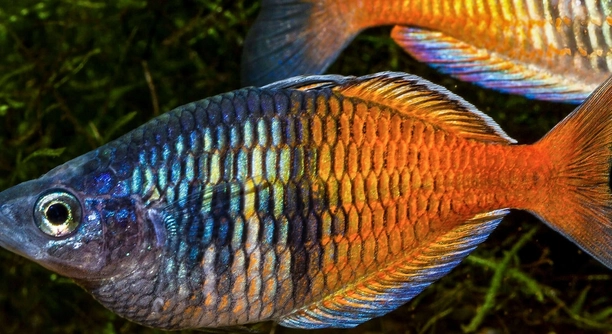
Rainbow fish are known for their vibrant colors and active behavior. However, when they’re sick, they often display strange habits that can be puzzling to fish owners. Recognizing these signs is key to providing proper care.
Sick rainbow fish may exhibit behaviors such as unusual swimming patterns, lethargy, rubbing against objects, and loss of appetite. These actions often signal stress or illness, and identifying them early can help in their recovery.
Understanding these signs is essential for maintaining the health of your rainbow fish. Identifying these odd habits can help you act quickly to improve their well-being and prevent further health issues.
Unusual Swimming Patterns
When rainbow fish are unwell, they might start swimming strangely. Instead of moving smoothly through the water, they could dart erratically or swim in circles. This is often a sign of discomfort or illness. Healthy rainbow fish are usually calm swimmers, and any deviation from this normal behavior can indicate a problem.
Lack of proper swimming may result from water quality issues, stress, or illness. It’s crucial to check if the fish are swimming with ease or if they seem to be struggling.
A common issue could be poor water conditions, especially if the tank has a high level of ammonia or nitrites. Fish use their gills to process oxygen from the water, and if it’s polluted, it can cause respiratory distress. If your rainbow fish are swimming abnormally, test the water’s parameters to rule out water quality issues. On the other hand, sudden changes in their environment or new tankmates might cause them to feel stressed, leading to abnormal swimming. A proper and stable tank setup is key to ensuring the fish remain healthy and active.
Lack of Appetite
Sick rainbow fish often lose their appetite. They may ignore food or refuse to eat entirely. This is a warning sign that something is wrong.
Fish need food to maintain their energy, and when they stop eating, it’s often an indicator that something is affecting their well-being. Stress, disease, or even poor water quality could be the cause. A decrease in appetite can quickly lead to weakness and a decline in health.
Rubbing Against Objects
When rainbow fish are feeling unwell, they may rub themselves against objects in the tank. This behavior is usually a sign of irritation or an attempt to relieve discomfort. It can be caused by skin infections, parasites, or even stress.
Fish often rub against rocks, decorations, or tank surfaces when they feel something on their skin. This could be due to external parasites like ich or velvet. If you notice your fish rubbing excessively, it’s important to check for visible signs of parasites or lesions on their body. It’s also essential to ensure that the tank environment is clean and free of harmful bacteria. Keeping the water temperature stable and maintaining good filtration can help reduce skin issues.
If you see your fish rubbing against objects, it’s a signal that their health is at risk. Take action by checking their skin and gills for any signs of disease. Sometimes, isolating the affected fish in a quarantine tank and treating it with medication can help prevent the spread of any possible illness.
Reduced Social Behavior
Rainbow fish are naturally social and enjoy the company of others. When they’re sick, however, they tend to become more isolated and avoid interaction. If you notice your fish hiding or staying away from tankmates, it’s usually a sign that something is wrong.
Isolating themselves is a typical response when a fish feels stressed or ill. In a healthy tank, rainbow fish will often swim together in groups and explore their environment. However, if one is not feeling well, it might stay in a corner or near the bottom of the tank to rest. Reduced social behavior can also indicate pain or weakness, especially if the fish is struggling to keep up with others.
If you notice your rainbow fish becoming antisocial, it’s important to observe them closely for any other signs of illness. Stress and illness can make them more vulnerable to other problems, so keeping a close eye on their behavior can help prevent further complications. Consider testing the water for any imbalances and make sure the tank environment is optimal for their health.
Loss of Color
When rainbow fish fall ill, their vibrant colors can fade. This loss of color is often a sign of stress, poor water quality, or illness. Healthy rainbow fish usually display bright, bold hues. If their colors appear dull or washed out, something may be wrong.
Fading colors are sometimes the first visible sign that a fish is struggling. When fish are stressed or sick, their bodies may not produce the pigments responsible for their colors. This can happen due to environmental factors like poor water quality or high stress levels. It’s important to check the water parameters, such as ammonia and nitrate levels, as these can affect the fish’s overall health. In some cases, if left untreated, the fading of colors can be a precursor to more serious health issues.
Clamped Fins
Clamped fins are a common behavior seen in sick rainbow fish. When they are unwell, they may keep their fins close to their bodies instead of spreading them out. This can be an early sign of illness.
Fish clamp their fins as a reaction to stress, illness, or environmental issues. If your rainbow fish are clamping their fins, it may indicate that they are feeling unwell or uncomfortable. It could also be a sign of an infection, poor water quality, or parasites. Keep an eye on their overall behavior and environment, as a variety of factors can contribute to this symptom.
Erratic Breathing
Sick rainbow fish may show signs of erratic or labored breathing. This can manifest as rapid gill movement or gasping at the surface of the water. It’s often a sign of poor water quality or respiratory issues.
If your rainbow fish are struggling to breathe properly, it’s crucial to address the water quality immediately. High levels of ammonia, nitrites, or low oxygen can cause breathing difficulties. Make sure the tank is well-oxygenated and perform water changes to improve the conditions. Additionally, check for any visible signs of gill irritation or parasites that may be affecting their ability to breathe.
FAQ
What are the common signs that a rainbow fish is sick?
Sick rainbow fish often exhibit unusual swimming patterns, loss of appetite, rubbing against objects, clamped fins, and fading colors. They may also isolate themselves from tankmates or show signs of erratic breathing. These behaviors often indicate that something is wrong with their health or environment.
What causes rainbow fish to rub against objects?
When rainbow fish rub against objects, it is often due to irritation caused by parasites, skin infections, or other external issues. It could also be a sign of stress or discomfort from poor water quality. Regularly checking water parameters and maintaining a clean tank can help prevent this behavior.
How can I improve the water quality for my rainbow fish?
To improve water quality, perform regular water changes, check the filtration system, and test for harmful substances like ammonia, nitrites, and nitrates. Keeping the tank’s pH and temperature stable is also crucial. Using a good water conditioner and ensuring proper oxygenation will support the fish’s health.
Why does my rainbow fish lose its color?
Fading colors in rainbow fish are usually a sign of stress, illness, or poor water conditions. Stress from overcrowding, improper tank mates, or sudden changes in the environment can lead to color loss. Ensuring the fish has a stress-free, stable environment will help it maintain its vibrant colors.
What should I do if my rainbow fish stops eating?
If your rainbow fish stops eating, it could be a sign of illness, stress, or water quality problems. Check the water parameters immediately and look for any visible signs of disease. If the fish still refuses to eat, consider isolating it in a quarantine tank and administering appropriate treatments.
Is it safe to medicate sick rainbow fish?
Yes, it is safe to medicate sick rainbow fish if done correctly. It’s important to identify the illness first and choose the right medication. Always follow the instructions on the product and monitor the fish closely. Consider isolating the sick fish in a separate tank to avoid affecting the rest of the fish.
Can rainbow fish recover from fading colors?
Rainbow fish can recover from fading colors if the underlying issue is addressed. Once the water quality is improved, and any stressors are removed, the fish’s colors may gradually return. However, it may take some time, so be patient and continue to monitor the fish’s behavior and environment.
How do I prevent rainbow fish from getting sick?
Preventing sickness in rainbow fish starts with maintaining a clean, stable environment. Regularly test the water for harmful substances, perform water changes, and ensure the fish are not overcrowded. Provide them with a proper diet and avoid sudden changes in their tank environment. Keeping a close eye on their behavior helps catch issues early.
Why are my rainbow fish swimming erratically?
Erratic swimming can be caused by several factors, such as poor water quality, stress, or illness. It can also be a sign of discomfort caused by parasites or infections. Check the water parameters, examine the fish for any visible signs of disease, and ensure the tank’s environment is stable.
What are the best tank conditions for rainbow fish?
Rainbow fish thrive in clean, well-filtered tanks with stable water conditions. The ideal water temperature for them is between 72°F and 80°F, with a pH level between 7.0 and 8.0. They also prefer well-planted tanks with plenty of swimming space and a moderate water flow. Regular water changes are crucial for maintaining a healthy environment.
How can I tell if my rainbow fish is stressed?
Stressed rainbow fish may display behaviors like hiding, clamped fins, loss of appetite, or erratic swimming. Stress can be caused by poor water quality, overcrowding, aggressive tankmates, or sudden environmental changes. Monitoring the fish’s behavior and ensuring the tank conditions are optimal can reduce stress.
Can rainbow fish get diseases from other tank mates?
Yes, rainbow fish can catch diseases from other tankmates. It’s important to quarantine new fish before introducing them to your main tank to prevent the spread of illnesses. Additionally, ensure that all fish in the tank are compatible and that the water quality is high to minimize stress and disease risk.
What is the best way to treat sick rainbow fish?
The best way to treat sick rainbow fish depends on the specific illness. Isolate the fish in a quarantine tank to prevent the spread of disease. Treat the water with appropriate medications based on the symptoms. Ensure the water quality is optimal, and consider adjusting the tank temperature to aid recovery.
Final Thoughts
Caring for rainbow fish can be rewarding, but it’s important to recognize when something is wrong with their health. They might not show obvious signs of illness, but paying attention to subtle changes in their behavior can make all the difference. If your rainbow fish start showing unusual swimming patterns, loss of appetite, or changes in color, it’s essential to act quickly. Many of the odd habits they show when sick can be linked to water quality, stress, or even parasites. Ensuring their environment is clean and stable is the first step toward keeping them healthy.
Proper tank maintenance is crucial in preventing many of the common health problems rainbow fish face. Regular water changes, checking the filtration system, and maintaining stable water parameters can help avoid many issues that lead to sickness. If you do notice any symptoms, take action right away. Isolating the sick fish, adjusting the water conditions, and using appropriate medications can help with recovery. The key is to act fast before the situation worsens. Even small signs of illness should never be ignored, as they can quickly escalate into bigger problems.
While caring for sick fish can be challenging, the rewards are worth it. Understanding their needs and how to recognize illness early on can lead to a healthier, more vibrant tank. By taking good care of your rainbow fish and addressing their health concerns as soon as they arise, you can enjoy their beauty and lively behavior for many years to come. With the right knowledge and attention, you can ensure that your fish thrive in a happy and healthy environment.

Hello,
If you enjoy the content that we create, please consider saying a "Thank You!" by leaving a tip.
Every little bit helps us continue crafting quality advice that supports the health, happiness, and well-being of pets around the world, for pets of all shapes, sizes, and species.
We really appreciate the kindness and support that you show us!