
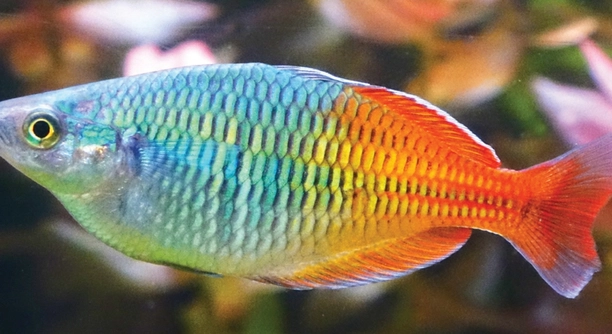
Rainbow fish are often admired for their vibrant colors and graceful movements. Their fascinating behaviors might leave you wondering whether they communicate through body language or rely on other methods to interact with each other.
Rainbow fish primarily use body language, including fin and tail movements, to communicate with each other. These gestures can signal aggression, mating readiness, or territorial boundaries. Their body language plays a significant role in their social interactions.
Understanding how rainbow fish communicate through body language is key to recognizing their social dynamics and interactions. This knowledge will shed light on their behaviors in various environments.
How Rainbow Fish Use Their Fins to Communicate
Rainbow fish use their fins as key tools for communication, displaying various signals depending on the situation. When they feel threatened, their fins may flare out to signal aggression or to ward off rivals. On the other hand, during peaceful moments or when they want to attract mates, their fins may be more relaxed and elegant. This behavior is often accompanied by subtle movements that help other fish interpret their intentions, whether it be a challenge or an invitation for interaction. These movements are crucial in establishing social hierarchy within the group.
Fish also use their tails in communication. A flick of the tail can indicate a change in mood or behavior, letting other fish know if they’re feeling playful or if they need space. The tail movements can be fast and sharp when alert, or slow and steady during less tense moments. These gestures are understood by other fish in the community, guiding their responses.
Understanding how these fins and tail movements relate to their social structure is essential for anyone observing their behavior. It also helps in creating environments where rainbow fish feel comfortable expressing themselves. Their body language allows them to navigate complex social settings, ensuring smooth interaction with others in the group.
Rainbow Fish Color Patterns and Their Meaning
Rainbow fish often change their color patterns depending on their emotional state. When stressed or threatened, they may become darker in color, signaling discomfort or aggression. In contrast, when they are calm or courting a mate, their colors brighten, becoming more vivid. These color changes act as visual cues to other fish about their current mood or intentions. Bright colors often indicate that a fish is healthy and in good condition, while dull colors may suggest stress or illness.
These color changes are also closely linked to the fish’s environment. Fish may display brighter colors when in more comfortable or familiar surroundings, while darker hues are a response to unfamiliar or stressful conditions. Coloration can serve as a way to warn others in the group of potential dangers, as well as a method for rainbow fish to gauge the social hierarchy. The vibrancy of their colors can determine their position within the group, signaling strength or vulnerability.
The ability to control their color patterns helps rainbow fish maintain communication with each other. Bright colors can attract mates, while subtle shifts in hue can communicate territorial boundaries or calmness. This simple yet effective way of communicating enhances their social interactions and helps them navigate their underwater world.
How Rainbow Fish Signal Mating Behavior
Rainbow fish use body language to signal their readiness for mating. One common display is a subtle fin movement, often paired with vibrant color changes to attract potential mates. Males, in particular, will show off their brightest colors during courtship, signaling their strength and suitability.
In addition to these visual cues, males may swim in a particular pattern around females, showing off their size and agility. This behavior, combined with the bright colors, indicates their desire to mate. Females will often respond by swimming closely to the male, showing interest in the courtship.
The behavior of both males and females is influenced by environmental factors such as water temperature, lighting, and tank setup. These factors can trigger mating behaviors and encourage interactions between the fish. Understanding the way these signals are used can help when caring for rainbow fish in aquariums, as it helps replicate natural courtship rituals.
Dominance and Territory Establishment
Rainbow fish use body language to establish dominance within their group. A sudden increase in size or rapid fin movements can indicate that a fish is asserting its position in the social hierarchy. This dominance display often occurs when a new fish enters the group.
Behavior in Social Groups
In social groups, rainbow fish communicate through movement and body posture. When feeling threatened, they may swim in tight groups, using their bodies to create a sense of unity. This helps reduce the risk of individual fish being singled out by predators or rivals.
FAQ
Can rainbow fish communicate with each other through sound?
Rainbow fish do not communicate through sound in the same way mammals do. While they do produce low-frequency vibrations and small noises, these are not used for communication like vocal calls in other species. Their primary mode of communication remains through body language, fin movements, and color changes. These non-verbal signals are far more effective in conveying their messages within the underwater environment.
What role do rainbow fish play in their aquatic ecosystem?
Rainbow fish play an essential role in maintaining balance within their aquatic ecosystems. As omnivores, they help control the populations of smaller organisms such as algae and plankton. Their feeding habits contribute to the overall health of the water, preventing overgrowth of certain species. Additionally, they serve as prey for larger predators, adding to the biodiversity and food chain in their habitat.
How do rainbow fish react to changes in their environment?
Rainbow fish are highly sensitive to changes in their environment, such as water temperature, light levels, and tank conditions. When the environment becomes unfavorable, they may show signs of stress, such as darker colors, erratic swimming patterns, or hiding. It’s crucial to maintain stable conditions in their habitat to keep them healthy and prevent unwanted behavioral changes.
Can rainbow fish live in freshwater or saltwater?
Rainbow fish are primarily freshwater fish, and most species thrive in tropical freshwater environments. They are commonly found in rivers, streams, and ponds with warm, clear water. Some species of rainbow fish, however, can tolerate brackish water with a slightly higher salt concentration. It is essential to research the specific species you own to determine their preferred water conditions.
Do rainbow fish prefer a particular water temperature?
Rainbow fish thrive in water temperatures ranging from 74°F to 82°F (23°C to 28°C). Keeping the water within this range helps promote optimal health and natural behavior. Colder water may stress them, while higher temperatures can increase their metabolism and shorten their lifespan. Regular monitoring of water temperature is key for a healthy tank.
Are rainbow fish easy to care for in an aquarium?
Rainbow fish are relatively easy to care for, making them an excellent choice for both beginners and experienced fishkeepers. They are hardy and adaptable to various tank setups, though they do require clean, well-maintained water with proper filtration. Regular water changes and the right diet will keep them happy and healthy.
What should I feed my rainbow fish?
Rainbow fish are omnivores, and their diet should include a variety of foods. You can feed them high-quality flake or pellet food, supplemented with live or frozen foods such as brine shrimp, daphnia, and bloodworms. They also enjoy plant-based foods, so offering blanched vegetables like spinach or zucchini can be beneficial. A balanced diet ensures they maintain vibrant colors and healthy growth.
Can rainbow fish be kept with other fish species?
Rainbow fish are peaceful and generally do well in community tanks with other non-aggressive species. They get along with a variety of fish, including tetras, barbs, and small catfish. However, it’s important to avoid keeping them with overly aggressive fish, as this can cause stress and territorial disputes. Always research compatibility before adding new fish to your tank.
Do rainbow fish need a lot of space in their tank?
Rainbow fish are active swimmers, so they need ample space to move around comfortably. A minimum tank size of 20 gallons is recommended for a small group of rainbow fish. Larger tanks are even better, especially if you plan to keep multiple species. Providing enough space helps reduce stress and encourages natural behavior.
How often should I change the water in a rainbow fish tank?
Regular water changes are essential for maintaining a healthy environment for rainbow fish. A 25-30% water change every two weeks is generally recommended. However, if the tank is heavily stocked or has a lot of waste buildup, more frequent changes may be necessary. Always test water parameters before and after water changes to ensure they stay within the optimal range.
Final Thoughts
Rainbow fish are fascinating creatures with unique ways of communicating, primarily through body language, color changes, and fin movements. These behaviors help them navigate their social structures, interact with one another, and respond to their environment. By observing their fins, tails, and vibrant colors, you can gain a deeper understanding of their mood, whether they are stressed, content, or ready to mate. This form of communication is crucial to maintaining harmony within a group and can even help establish the social hierarchy. While they may not use sound like some other animals, their visual cues are more than enough to keep communication clear among them.
Caring for rainbow fish requires a commitment to providing the right environment for them to thrive. They are relatively easy to care for, but it’s important to maintain stable water conditions, proper temperature, and a balanced diet. These factors are essential for keeping your rainbow fish healthy, ensuring their bright colors and active behaviors. Regular water changes, careful monitoring of water quality, and the right tank setup will help you avoid stress or illness in your fish. Choosing compatible tank mates and giving them plenty of space will also contribute to their well-being and happiness.
Ultimately, understanding how rainbow fish communicate and what they need to stay healthy helps create a more enjoyable and successful aquarium experience. Their lively nature and beautiful colors bring life to any tank, making them a favorite among aquarium enthusiasts. By paying attention to their signs and maintaining a proper environment, you can enjoy watching them thrive and interact in a way that mimics their natural habitats. Whether you’re a beginner or an experienced fishkeeper, rainbow fish offer a rewarding experience.

Hello,
If you enjoy the content that we create, please consider saying a "Thank You!" by leaving a tip.
Every little bit helps us continue crafting quality advice that supports the health, happiness, and well-being of pets around the world, for pets of all shapes, sizes, and species.
We really appreciate the kindness and support that you show us!