
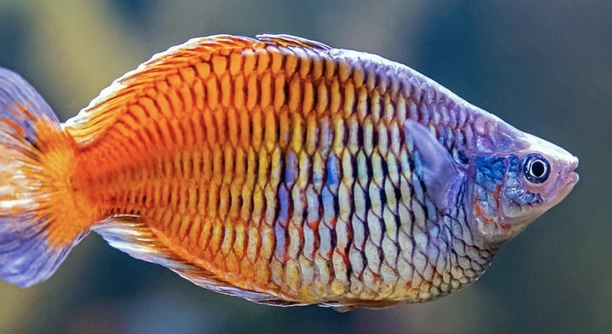
Rainbow fish are a popular choice for many fishkeepers, known for their vibrant colors and energetic behavior. However, sometimes they can be observed pecking at empty spots in the tank, leaving their owners puzzled.
Rainbow fish may peck at empty spots due to a variety of reasons, including boredom, territory behavior, or seeking food. This can also be a form of natural exploration, as they are instinctively curious creatures by nature.
Understanding why your rainbow fish engage in this behavior can help you create a more suitable environment for them. Proper care and tank setup can minimize unnecessary behaviors and ensure your fish remain happy and healthy.
Common Causes for Rainbow Fish Pecking at Empty Spots
Rainbow fish are curious by nature and often explore their surroundings in search of food or new territory. Pecking at empty spots could be a sign of this natural curiosity. They may be investigating every inch of the tank, including places where they’ve already swam past. It’s common for fish to inspect the glass or substrate, as it could hold remnants of food or simply be part of their instinctual behavior.
Sometimes, this behavior is linked to their search for food. In many tanks, small particles of food or debris may get trapped in areas where it’s harder for the fish to reach. As a result, rainbow fish might peck at these spots, thinking there’s something to eat. It’s important to make sure your fish are being fed the right amount to prevent them from feeling hungry and searching elsewhere.
If you notice that your rainbow fish are particularly focused on certain spots, they could also be marking their territory. Although rainbow fish are generally peaceful, they may exhibit small territorial behaviors, especially when they feel their space is being invaded. This is not typically harmful to other tank mates.
How Tank Setup Can Influence Behavior
A well-designed tank is crucial to your rainbow fish’s behavior. Tanks that are overly crowded or lacking hiding spots can contribute to anxiety and stress, which may lead to pecking at random spots.
Creating a tank with plenty of plants, decorations, and other structures will give your fish a sense of security and reduce the likelihood of them pecking aimlessly. Rainbow fish need a balance between open space to swim and areas where they can feel safe. By giving them room to explore and find shelter, you help meet their natural instincts, which leads to a healthier environment for them to thrive.
Possible Lack of Stimulation
If your rainbow fish don’t have enough stimulation, they may resort to pecking at empty spots. Fish are naturally curious, and if they don’t have enough to do, they may end up focusing on areas that don’t have any immediate interest.
This behavior is often a sign of boredom. Fish that lack environmental enrichment may end up pecking at random spots on the tank. Adding new items like plants, rocks, or other tank mates can help reduce this. Rainbow fish need space and objects to interact with to feel engaged. Without these, their curiosity might lead them to peck at things that offer no real reward.
You can also try rotating tank decorations or adding different hiding spots. This keeps the fish engaged and encourages them to explore different areas of the tank. Maintaining a variety of objects in the tank helps keep their environment fresh and interesting. Without proper stimulation, your rainbow fish will turn to less meaningful behaviors to fill the void.
Tank Conditions Affecting Behavior
Poor tank conditions can lead to unusual behaviors like pecking at empty spots. If the water temperature or quality isn’t right, it may cause stress and discomfort. Rainbow fish are sensitive to their environment, and discomfort often leads to them acting out.
Water that is too cold or too warm can cause stress, which in turn makes the fish more restless. Inadequate filtration or poor water quality can also cause the fish to feel uneasy. When conditions aren’t optimal, rainbow fish may start pecking around the tank in search of something, even if there is nothing to find. A consistent, clean environment with the right water conditions will help prevent this behavior. Regular water changes and monitoring water parameters are essential for the well-being of your fish. Proper care ensures they stay healthy and active, reducing unnecessary behaviors like pecking at empty spots.
Social Dynamics with Other Fish
Sometimes rainbow fish peck at empty spots due to their interactions with other fish. If there are dominant fish in the tank, rainbow fish may display anxious behaviors, including pecking around. This behavior could be linked to avoiding other fish or exploring empty spaces.
Fish that are kept in groups often have more social interactions. If a rainbow fish feels pressured or intimidated by tank mates, it may engage in pecking at random spots to relieve stress. This can be a sign that there is tension in the tank. Providing a more balanced social setup with enough space can help reduce this behavior. It’s important to monitor fish behavior to ensure no one is bullying others, which could be causing your rainbow fish to react in such a way.
Feeding Habits and Behavior
Rainbow fish are very active feeders and will often peck at anything they suspect could be food. If the tank isn’t cleaned well enough after feeding, remnants of food can fall into the substrate, prompting the fish to peck at these areas.
Even if you feed them regularly, leftover food can remain in places hard for the fish to reach. This often leads them to explore and peck at those spots, thinking there’s something edible there. Regularly cleaning your tank and removing any excess food can prevent this behavior. It’s important to find a good feeding routine so that food doesn’t accumulate and tempt your fish to peck at empty spots unnecessarily.
Temperature Variations
Rainbow fish are sensitive to temperature changes, and fluctuations in water temperature can cause them to act differently. If the water is too hot or too cold, they may start pecking at areas in the tank that don’t usually attract their attention.
Making sure the water temperature remains steady is crucial to keeping them comfortable. A reliable heater and thermometer can help monitor temperature. If the temperature becomes too extreme, your rainbow fish may start displaying signs of discomfort or restlessness, including pecking at empty spaces.
FAQ
Why do rainbow fish peck at the glass of the tank?
Rainbow fish may peck at the glass as part of their natural curiosity. They are often trying to investigate the reflections or any small particles they might see on the glass. In some cases, it may also be an attempt to explore the tank boundaries, especially if they’re confined to a smaller space. If the tank is crowded or doesn’t have enough hiding spots, they might also peck at the glass as a way to deal with stress or boredom.
Can rainbow fish peck at empty spots when they’re hungry?
Yes, rainbow fish may peck at empty spots if they are looking for food. Even if they are fed regularly, small food particles or debris might get stuck in places they can’t easily reach. In such cases, they will peck at these spots in hopes of finding something to eat. Ensuring they are fed the right amount and cleaning the tank regularly can help reduce this behavior.
How do I know if my rainbow fish are stressed?
Stressed rainbow fish often display erratic swimming patterns, like darting around the tank or constantly pecking at random spots. They may also exhibit changes in their color, becoming less vibrant. A stressed fish might also hide in corners or be more aggressive with other tank mates. Keeping an eye on their behavior and the overall tank conditions can help identify stress early.
Can pecking be a sign of a health problem in rainbow fish?
Pecking at empty spots isn’t usually a direct sign of illness, but it could indicate discomfort. If the behavior is accompanied by other signs like clamped fins, lethargy, or loss of appetite, there may be a health concern. It’s important to check water quality and observe any physical symptoms of illness, such as lesions or abnormal swimming.
Is it normal for rainbow fish to peck at other fish?
Rainbow fish are generally peaceful and aren’t known for aggressive behaviors. However, in cases where there is overcrowding or a dominant fish in the tank, they might peck at other fish to establish their territory. This is typically not harmful, but if it becomes excessive, it could cause stress. Ensuring proper space and providing hiding spots can help reduce this behavior.
Should I remove decorations or objects if my rainbow fish are pecking at them?
Removing decorations might not be the best solution. Instead, you can consider adding more plants, rocks, or objects that create natural hiding spots for your fish. Rainbow fish are naturally curious and need things to explore. However, make sure these items don’t clutter the tank, as too many objects can stress the fish or reduce their swimming space.
Can water quality impact the pecking behavior of rainbow fish?
Yes, poor water quality can definitely impact the behavior of rainbow fish. When the water conditions are not ideal—such as incorrect pH levels, high ammonia, or poor filtration—rainbow fish may become stressed and start displaying unusual behaviors like pecking at random spots. Regular water changes and using water test kits can help maintain a healthy environment for your fish.
Are rainbow fish territorial?
Rainbow fish are generally not territorial, especially in larger groups. They tend to get along well with other peaceful species. However, when housed in small tanks or with more aggressive tank mates, they may feel the need to defend themselves. This can sometimes lead to pecking behaviors, but it’s not a common issue if the tank setup is appropriate.
How can I reduce pecking behavior in my rainbow fish?
To reduce pecking, first ensure that your tank is large enough to accommodate your fish. Overcrowding can cause stress and lead to unnecessary behaviors like pecking at empty spots. Add plants and decorations to provide stimulation and hiding spots. Additionally, maintain proper water quality and a consistent feeding schedule. By creating an enriching environment, you can help reduce the chances of pecking behavior.
Can rainbow fish peck at the substrate?
Yes, rainbow fish may peck at the substrate, especially if they suspect there’s food buried there. They have a natural tendency to search for small particles in the sand or gravel, so it’s not uncommon for them to explore these areas. If you have a well-maintained tank with adequate food, this behavior should be minimal.
Final Thoughts
Rainbow fish are naturally curious creatures, and their behavior of pecking at empty spots in the tank is often linked to their instinct to explore and search for food. While this can be a normal part of their behavior, it’s important to understand the reasons behind it. It may stem from their need for stimulation, boredom, or an attempt to find something to eat. In some cases, it could also be due to stress or the tank environment not meeting their needs. If you notice this behavior, it’s worth considering whether your fish are being properly stimulated and if their environment is conducive to their well-being.
Maintaining a healthy tank environment is key to reducing unnecessary behaviors in your rainbow fish. Regularly checking water quality, ensuring the temperature is stable, and providing plenty of hiding spots and decorations can help create a more enriching and comfortable environment for them. A well-fed fish that feels safe and secure in its tank is less likely to engage in pecking behavior for no reason. Additionally, being mindful of social dynamics between your fish can prevent stress caused by aggressive or dominant tank mates. By keeping your tank well-maintained, you’ll help your rainbow fish thrive.
Overall, pecking at empty spots isn’t usually something to worry about, but it can be a sign that your fish need more attention or a better tank setup. Ensuring your rainbow fish are properly cared for and have enough to keep them engaged can significantly reduce this behavior. As with any pet, observing their actions and making adjustments when necessary can ensure that your fish are happy and healthy, and their behavior remains natural and stress-free.

Hello,
If you enjoy the content that we create, please consider saying a "Thank You!" by leaving a tip.
Every little bit helps us continue crafting quality advice that supports the health, happiness, and well-being of pets around the world, for pets of all shapes, sizes, and species.
We really appreciate the kindness and support that you show us!