
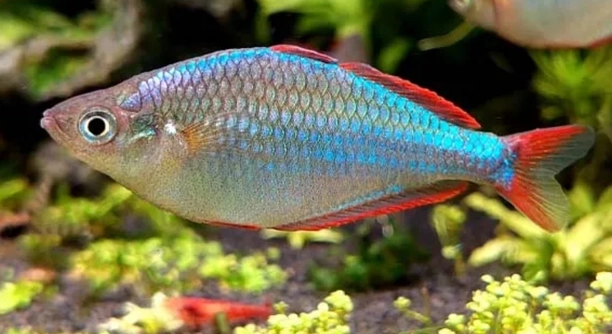
Creating a vibrant and healthy rainbow fish tank requires careful planning. Adjustments made to the environment can significantly impact the wellbeing of your fish. Ensuring the right balance is key to achieving a lively, colorful aquarium.
Making the right adjustments is essential for maintaining a thriving rainbow fish tank. Key factors include water quality, lighting, tank size, filtration, and adding appropriate plants or decorations. These changes will help your fish feel comfortable and flourish.
Understanding these adjustments will enhance the health of your fish and ensure they live in an environment that supports their vibrant colors and energy.
Water Quality is Key to a Healthy Fish Tank
Maintaining excellent water quality is crucial for rainbow fish. Poor water conditions can lead to stress, illness, and even death. To ensure the water stays clean, frequent water changes are essential. Aim for 25-30% water changes every two weeks. This will help remove toxins and replenish vital minerals. Testing your water regularly for pH, ammonia, nitrate, and nitrite levels is also important. The ideal pH for rainbow fish is between 6.5 and 7.5. Keeping the water clean and balanced will create a safer environment for your fish to thrive.
Even though water changes are essential, it’s also necessary to avoid overfeeding your fish. Leftover food can quickly deteriorate water quality, leading to higher levels of harmful chemicals.
By maintaining the right water parameters and cleanliness, your rainbow fish will thrive in a stable, healthy environment. Regular testing and water changes prevent stress and promote vibrant colors, contributing to the overall health of your aquarium. Consistency is key in achieving long-term success.
Proper Lighting for Your Rainbow Fish
Lighting plays a significant role in the well-being of rainbow fish. It’s not just for aesthetics, but also to mimic natural conditions. Aim for 8-10 hours of light each day to simulate a natural day-night cycle.
Excessive or insufficient lighting can lead to algae growth or stress. Using a light timer can help maintain consistency, ensuring your fish get the proper amount of light and rest. Additionally, choose lighting that promotes color enhancement in your rainbow fish. Soft, full-spectrum lights are ideal for bringing out their bright hues.
Tank Size Matters
Choosing the right tank size is essential for the health and comfort of your rainbow fish. A tank that is too small will create stress due to overcrowding, while one that is too large can make it harder to maintain water quality. Aim for at least a 30-gallon tank for a small group of rainbow fish.
Rainbow fish need room to swim freely and explore. A larger tank gives them more space to engage in natural behaviors and helps prevent territorial issues. With enough room, they’ll feel more secure, which leads to healthier, more vibrant fish.
Providing an appropriate tank size also makes it easier to manage water parameters. In a small tank, changes in water quality happen much more quickly, leading to stress. A larger tank stabilizes conditions, creating a more stable environment. This way, your rainbow fish can thrive and stay active, showing off their beautiful colors.
Filtration Systems and Water Movement
Proper filtration is necessary to keep the water clean and the environment stable. A good filter helps remove debris, toxins, and excess nutrients from the water, ensuring a healthy living space for your fish. Make sure your filter provides adequate flow without being too strong for the fish.
Rainbow fish thrive in tanks with gentle water movement. A filter with adjustable flow settings allows you to customize the strength of the current. You want enough flow to keep the water clean but not so much that it stresses the fish. The right flow helps them feel more comfortable while swimming.
A good filtration system will also prevent stagnant areas in the tank where harmful substances can accumulate. Keeping the water circulating helps maintain oxygen levels, which is vital for fish health. This simple adjustment is one of the best ways to support the overall well-being of your rainbow fish.
Decorations and Plants
Adding plants and decorations is essential for creating a natural environment for your rainbow fish. Live plants help maintain water quality by absorbing excess nutrients. They also offer shelter and breeding areas, promoting healthier fish behavior. Avoid sharp decorations that could harm your fish.
Rainbow fish love to explore plants and hide among them when they feel stressed or threatened. Adding some hiding spots or caves gives them a place to retreat when needed, which reduces anxiety and encourages more natural swimming patterns.
Plants also help mimic the fish’s natural habitat, making them feel more at ease. Keeping a variety of plants will not only improve the appearance of your tank but will also create a more stimulating environment for your rainbow fish.
Temperature Control
Rainbow fish thrive in warm water. The ideal temperature range is between 74-80°F (23-27°C). Consistent temperatures are necessary for keeping your fish healthy. Avoid drastic temperature fluctuations, as they can stress the fish and lead to illness.
Invest in a reliable aquarium heater to maintain the proper temperature range. Ensure the heater is appropriately sized for your tank. Regularly monitor the temperature with a thermometer to ensure it stays consistent, especially during seasonal changes. Stable warmth will promote better health and vibrant colors in your fish.
Tank Mates
When selecting tank mates for your rainbow fish, opt for peaceful species that won’t outcompete them for food or space. Avoid aggressive fish that might stress your rainbow fish or cause territorial disputes. Ideal tank mates include other peaceful species like tetras or small catfish.
Rainbow fish are peaceful and social creatures, thriving in schools. They are less likely to show stress when kept with similarly calm fish. Be mindful of the species’ size and activity levels, as too much competition for space or food can lead to unhealthy behaviors and stress.
FAQ
What is the ideal pH level for rainbow fish?
Rainbow fish prefer a slightly acidic to neutral pH level. The ideal range is between 6.5 and 7.5. Maintaining this pH helps prevent stress and supports their natural behavior. Regularly test your tank’s pH with an aquarium test kit to keep it within the recommended range.
How often should I change the water in my rainbow fish tank?
Aim to change 25-30% of the water every two weeks. This helps maintain water quality by removing toxins and replenishing vital minerals. If you have a larger tank with more fish, you may need to change the water more often. Regular water changes will help prevent disease and improve the fish’s overall health.
Can rainbow fish live with other species?
Rainbow fish are generally peaceful and can live with a variety of other species. It’s important to choose peaceful, non-aggressive tank mates. Avoid overly territorial or aggressive fish, as they may stress your rainbow fish. Ideal companions include tetras, small catfish, and peaceful community fish.
What should I feed rainbow fish?
Rainbow fish are omnivores, so a balanced diet of high-quality flakes, pellets, and occasional live or frozen foods like brine shrimp or bloodworms is ideal. Feed them 2-3 times a day, offering small amounts that they can consume in 2-3 minutes to avoid overfeeding. Variety in their diet promotes health and vibrant colors.
How can I tell if my rainbow fish is stressed?
Signs of stress in rainbow fish include faded colors, rapid breathing, lethargy, and hiding more than usual. Stress can be caused by poor water quality, inadequate tank conditions, or aggressive tank mates. If you notice these signs, check your water parameters and tank environment to ensure everything is optimal for your fish.
What kind of tank size do rainbow fish need?
For a small group of rainbow fish, aim for at least a 30-gallon tank. A larger tank provides more space for them to swim and reduces the likelihood of territorial issues. A bigger tank also helps maintain more stable water conditions, which is vital for their well-being.
Do rainbow fish need a lot of plants in their tank?
While rainbow fish don’t require excessive plants, live plants provide natural hiding spots and help maintain water quality. Plants like Java fern, Anubias, or Amazon sword plants can create a more natural environment and encourage healthier behavior. Having plants also helps mimic their native habitat.
How do I maintain proper water temperature for rainbow fish?
Rainbow fish thrive in water temperatures between 74°F and 80°F (23°C to 27°C). A reliable aquarium heater will help maintain this range. Check the temperature regularly with a thermometer to ensure consistency. Temperature fluctuations can stress the fish and cause illness, so keeping the tank warm is essential for their health.
Why are my rainbow fish swimming at the top of the tank?
If your rainbow fish are swimming at the top of the tank, it could be due to several reasons. They may be seeking oxygen, especially if the water is low in dissolved oxygen. This can happen if your filtration isn’t creating enough surface movement. Check water quality and ensure your filter is working properly.
Can rainbow fish breed in a community tank?
Rainbow fish can breed in a community tank, but it can be challenging if there are aggressive or larger species present. To encourage breeding, provide plenty of plants and hiding spaces for the fish. Female rainbow fish lay eggs on plant leaves, and males fertilize them. Remove adult fish after breeding to prevent them from eating the eggs.
How can I enhance the colors of my rainbow fish?
To enhance the colors of your rainbow fish, ensure they are in optimal conditions. Provide a balanced diet, maintain good water quality, and keep the tank environment stress-free. Using proper lighting, such as full-spectrum lights, also helps bring out their vibrant colors. A healthy, well-maintained tank leads to the brightest hues.
Are rainbow fish hard to care for?
Rainbow fish are relatively easy to care for, but they do require specific tank conditions to thrive. They need stable water parameters, proper tank mates, and a balanced diet. Regular maintenance and monitoring of water quality are essential. If you provide a proper environment, they will be low-maintenance and rewarding pets.
What size group of rainbow fish is best?
Rainbow fish are social creatures and prefer being in groups. A minimum of 5-6 rainbow fish is recommended to ensure they feel secure and display natural behaviors. A group allows them to swim together, reducing stress and promoting a more active, vibrant display. Larger groups are even better for their well-being.
Can rainbow fish live with other types of fish?
Yes, rainbow fish can live with a variety of peaceful, compatible species. Avoid aggressive or overly territorial fish, as this can lead to stress. Good tank mates include other small, peaceful community fish like guppies, tetras, and Corydoras catfish. Ensuring all tank mates are compatible helps maintain a harmonious environment.
What should I do if my rainbow fish is sick?
If your rainbow fish appears sick, observe its behavior closely for signs of illness, such as abnormal swimming, faded colors, or lesions. First, check the water quality and make any necessary adjustments. If symptoms persist, consider isolating the sick fish and consulting an aquarium professional for proper treatment.
Do rainbow fish need special lighting?
Rainbow fish don’t require special lighting, but they benefit from a natural light cycle. A full-spectrum light that mimics daylight will enhance their colors. Aim for 8-10 hours of light per day, simulating a natural day-night cycle. This helps reduce stress and supports healthy fish behavior.
What is the best filter for a rainbow fish tank?
A gentle filter with adjustable flow is ideal for a rainbow fish tank. Too strong of a current can stress the fish, while a weak filter won’t adequately clean the water. A sponge filter or a canister filter with adjustable flow is a good option for maintaining water quality.
Final Thoughts
Maintaining a healthy environment for your rainbow fish is essential for their well-being. These vibrant creatures thrive in well-kept tanks with proper water parameters and suitable tank mates. Regularly monitoring water quality, temperature, and pH levels will go a long way in ensuring that your fish remain happy and healthy. Creating an environment that mimics their natural habitat with plenty of plants, hiding spots, and stable water conditions will allow your rainbow fish to flourish. By paying attention to their needs, you’ll enjoy watching them swim gracefully, displaying their beautiful colors.
Feeding your rainbow fish a balanced diet is another crucial factor for their health. Offering a mix of high-quality flakes, pellets, and occasional live or frozen foods helps keep them active and vibrant. Overfeeding should be avoided, as it can lead to poor water quality and health issues. By feeding small portions that they can consume in a few minutes, you’ll prevent waste buildup and ensure that your fish are getting the nutrients they need to thrive. A consistent feeding schedule is ideal for keeping your rainbow fish in good condition.
Rainbow fish are relatively easy to care for, but their environment needs to be properly maintained for them to thrive. With the right tank size, good filtration, regular water changes, and proper feeding, you’ll create a healthy and attractive tank. When kept in optimal conditions, rainbow fish are not only beautiful to look at but also a joy to have in your aquarium. By understanding their needs and providing them with the proper care, you can enjoy the colorful, active display these fish bring to your tank.

Hello,
If you enjoy the content that we create, please consider saying a "Thank You!" by leaving a tip.
Every little bit helps us continue crafting quality advice that supports the health, happiness, and well-being of pets around the world, for pets of all shapes, sizes, and species.
We really appreciate the kindness and support that you show us!