
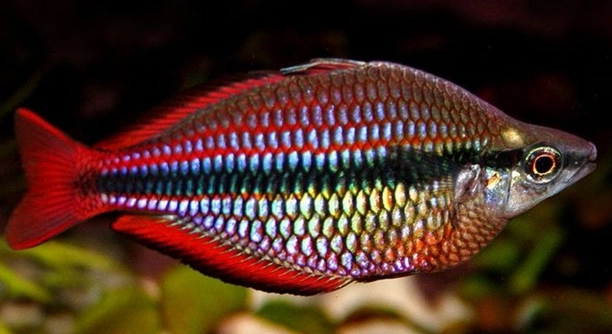
Have you ever noticed your rainbow fish spending most of their time in just one part of the tank? Their behavior can seem puzzling, especially if the rest of the tank appears calm and inviting.
Rainbow fish prefer certain tank zones due to a mix of water parameters, tank layout, light levels, and social behavior. These zones offer comfort, safety, and optimal swimming conditions, which directly influence their daily movement and positioning.
Recognizing these preferences helps support their health and comfort while giving you a clearer picture of how to structure their environment.
Why Rainbow Fish Prefer Specific Areas of the Tank
Rainbow fish are active swimmers that often stick to certain areas in a tank. These choices are not random. They are based on comfort, water movement, lighting, and tank setup. Most rainbow fish prefer the middle to upper zones of the aquarium. This allows them to swim freely, stay visible, and avoid darker, more crowded areas. If your tank has strong current or low oxygen at the bottom, rainbow fish may avoid that area entirely. Decorations or plants placed too densely can also discourage them from exploring the lower section. Pay attention to how your tank is set up and where your fish feel most at ease. Simple changes in tank design or flow may shift their behavior. You don’t need a complex system to meet their needs—just a good understanding of their preferences and natural behavior.
Strong lighting encourages rainbow fish to swim in open areas near the top. They’re drawn to brightness and movement, making the upper zone more appealing.
Watch how your rainbow fish respond when you adjust water flow or rearrange plants. A slight change in layout or light may lead to more balanced swimming patterns and improve how they interact with their space.
What Influences Tank Zone Preference?
Temperature, oxygen levels, and lighting all affect where rainbow fish choose to stay. If the water is warmer or more oxygen-rich near the top, they’ll likely remain there. Some setups unintentionally create uneven zones that influence behavior.
Tank design matters more than people often realize. The placement of heaters, filters, and decorations affects flow and comfort. Rainbow fish do best in tanks that offer open swimming space without too many sharp turns or blocked paths. Long, horizontal tanks support their natural swimming style. Filters that create strong vertical currents might push them away from certain areas. Soft plants and gentle current allow them to rest without stress. If they avoid the bottom, it may not be about fear—it could be lighting, flow, or lack of cover. Balancing these factors helps your fish feel more at ease and increases their activity level throughout the tank. Small changes in how your tank is arranged can make a big difference in their daily routine.
How Tank Mates Affect Behavior
Rainbow fish tend to stay in zones where they feel secure. If other fish are aggressive or overly active, rainbow fish may avoid those areas. They’re more comfortable with peaceful tank mates that don’t chase or compete for space.
Tank mate behavior plays a strong role in where rainbow fish spend their time. Aggressive or fast-swimming species can push rainbow fish higher up or into corners. Even subtle signs like constant circling or nudging may be enough to change their swimming patterns. Choosing calm, similarly sized tank mates can lead to more balanced zone use. Avoid pairing them with bottom dwellers that move quickly or claim too much space. Peaceful schooling fish and calm bottom feeders work best. When rainbow fish feel safe, they’ll explore freely and stick to the zones they naturally prefer. Watch their movement to see if any tank mate is causing them to retreat from certain areas.
Social structure in the tank matters just as much as physical setup. Rainbow fish are schooling fish, so they prefer the company of their own kind. A group of at least six encourages normal behavior and even distribution across the tank. When kept alone or in small numbers, they may become shy or stressed. If dominant fish take over one zone, others may be forced into tighter spaces. Pairing rainbow fish with species that occupy different tank zones reduces competition. Bottom dwellers, mid-level swimmers, and peaceful top swimmers create a balanced setup. Avoid overcrowding, as it leads to tension and erratic swimming. Creating a calm, social environment makes your rainbow fish more likely to swim confidently in their preferred zones.
How Water Movement Plays a Role
Strong current affects how rainbow fish move and where they rest. Fast flow near the bottom can lead them to avoid it completely. Softer current at the top allows them to swim comfortably without fighting the water.
Rainbow fish enjoy gentle flow that allows them to swim freely. Filters that create intense movement can tire them out or discourage them from staying near the bottom. If you notice they only stick to one zone, check your filter output and flow pattern. Using spray bars or flow controllers can help redirect water movement and calm high-flow zones. A tank with steady but not overpowering circulation encourages natural swimming behavior. Position plants or décor to break up strong current near the bottom and corners. This gives rainbow fish resting spots where they feel safe. Flow that mimics their natural environment supports a more active and relaxed swimming pattern across all zones.
Light Placement and Brightness
Rainbow fish naturally prefer well-lit areas, which is why they often swim near the top where light is strongest. Dim lighting at the bottom can make them avoid those zones, especially if it feels too shadowy or enclosed.
If the tank is too dark, their colors may also appear duller. Adjusting the light angle or adding soft lighting near the lower areas can encourage more balanced swimming. Avoid harsh lighting that creates glare or strong contrast, as it can make fish feel uneasy.
Importance of Aquascape Design
A thoughtful tank layout supports healthy behavior. Rainbow fish do best in tanks with long horizontal space and open swimming areas. Avoid overstuffing with tall or bulky decorations that block movement or break line of sight. Plants should be spaced to allow room for turns and gliding. Mid-height plants and floating greenery give rainbow fish places to swim through and rest. Leave enough space in the center for them to school comfortably. Hiding spots are helpful, but too many tight areas can make them feel boxed in. A well-balanced design supports their activity and keeps them visible and calm.
When Behavior Changes Suddenly
If your rainbow fish suddenly change zones, check for stress, water issues, or tank mate problems. Quick changes usually point to something in the environment that needs attention.
FAQ
Why do my rainbow fish always stay at the top of the tank?
Rainbow fish often stay near the top because that’s where the light is brightest and the water is warmer. It also gives them better access to food, especially if you’re feeding floating pellets. If the lower zones are too dark, have strong current, or feel unsafe due to décor or tank mates, they’ll avoid them. Bright lighting and gentle surface flow make the top zone more comfortable. If they stay there all the time, check that the water is well-oxygenated and that lower zones aren’t being disturbed by other fish or filter output.
Is it normal for rainbow fish to stay near the bottom?
It’s not typical, but it can happen. Rainbow fish are mid-to-top dwellers by nature. If they’re hanging out near the bottom, it could mean they’re stressed, hiding, or feeling unwell. It’s also possible they’re avoiding other fish or reacting to changes in water quality. Check for signs of illness, inspect the tank for aggressive behavior, and test the water for ammonia or nitrite. If everything looks normal and they’re still active and eating, it might be temporary. A recent tank change or a shift in lighting can also cause short-term changes in swimming zones.
How many rainbow fish should be kept together to encourage natural zone use?
Rainbow fish are schooling fish and should be kept in groups of six or more. When kept in smaller numbers, they may become shy or stay in one part of the tank. A larger group helps spread out their swimming and reduces stress. They feel safer and more confident when surrounded by their own kind. This encourages them to explore all levels of the tank. Keeping a school also reduces aggressive behavior and creates a more peaceful environment. Always make sure your tank is large enough to support a full group with room to swim.
Do rainbow fish prefer calm or active water?
They prefer moderate, steady flow. Strong current can stress them out, while still water may reduce oxygen levels and make them sluggish. Use a filter that provides gentle water movement across the tank. If your filter creates too much flow, especially near the bottom, use a spray bar or deflector to redirect it. Rainbow fish enjoy swimming against a bit of current, but not to the point where they’re struggling. Proper flow helps with oxygenation and encourages healthy swimming. Balance is key—avoid dead zones or overly turbulent areas.
Can rainbow fish live with bottom dwellers?
Yes, as long as the bottom dwellers are peaceful. Corydoras, small loaches, and certain catfish make good companions. Just be sure they’re not overly active or territorial. Aggressive bottom dwellers may scare rainbow fish into staying in the top half of the tank. You’ll want to avoid species that dart quickly or claim large amounts of space. It’s best to choose tank mates that occupy different zones and won’t compete for food or territory. A calm, respectful tank mate helps rainbow fish stay relaxed and use the space naturally.
Do tank decorations affect where rainbow fish swim?
Yes, tank layout plays a big role. If there are too many vertical decorations or crowded corners, it limits movement. Rainbow fish prefer wide horizontal space to swim in groups. Use plants, rocks, or driftwood in a way that frames open swimming zones. Avoid placing bulky items near the center, as it can block their schooling patterns. Floating plants give them shade, while mid-level plants offer places to rest or swim through. Keep décor balanced, and don’t overcrowd the tank. When rainbow fish have room to swim freely, they’re more likely to explore every level.
Why do my rainbow fish avoid the middle of the tank?
This usually points to stress, awkward tank layout, or the presence of dominant fish. The middle zone is where they’re supposed to spend most of their time. If they’re avoiding it, something may be making them uncomfortable. It could be strong current, aggressive tank mates, or even reflections in the glass. Rearranging décor to make the center more open and calm may help. Also make sure the water conditions are consistent and safe. Rainbow fish use the middle when they feel secure and balanced. Watch their movement closely to see what’s influencing their behavior.
Final Thoughts
Rainbow fish are active, colorful swimmers that bring life to any aquarium. Understanding their preferred tank zones can help them feel more comfortable and behave more naturally. These fish usually swim in the middle to top parts of the tank, where they feel safest and can feed easily. If they start spending too much time at the bottom or seem to stay in one area, something might be off. It could be the tank layout, lighting, water flow, or other fish in the tank. Watching their behavior and making small changes often helps them settle back into their usual patterns.
Tank setup makes a big difference in how rainbow fish use the space around them. Providing a long tank with horizontal swimming space and using gentle water flow can encourage them to move around more freely. Avoid blocking the middle zone with too many decorations, and leave open areas where they can school comfortably. Bright lighting at the surface and some floating plants can also help them feel more at ease. A peaceful group of tank mates that stay in different zones will allow rainbow fish to swim without pressure. Keeping a proper group size also reduces stress and boosts their confidence.
When rainbow fish feel secure, they become more active and display brighter colors. Keeping their environment stable and suitable for their natural behavior supports both their health and appearance. It’s not just about water quality or food—zone use matters too. Watching where they swim can tell you a lot about how they feel. Regular care, a balanced tank setup, and a little observation go a long way in helping them thrive. By paying attention to their habits and responding with small, thoughtful changes, you can create a space where your rainbow fish feel right at home.

Hello,
If you enjoy the content that we create, please consider saying a "Thank You!" by leaving a tip.
Every little bit helps us continue crafting quality advice that supports the health, happiness, and well-being of pets around the world, for pets of all shapes, sizes, and species.
We really appreciate the kindness and support that you show us!