
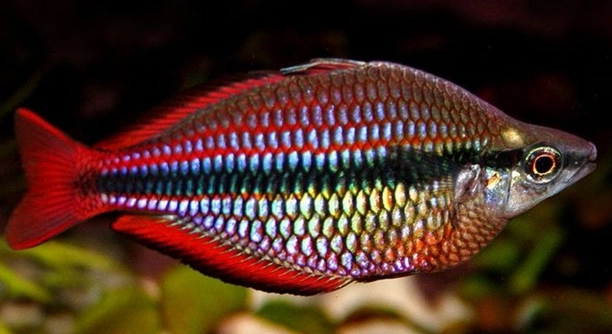
Rainbow fish are vibrant and energetic creatures, often admired by aquarium enthusiasts. Keeping them as pets can be a joyful experience, but understanding their social needs is essential for their well-being. Do they prefer constant company?
Rainbow fish thrive in groups, as they are naturally social animals. Keeping them in schools helps reduce stress and encourages healthier behavior. A single rainbow fish might feel lonely, potentially leading to illness or reduced activity levels.
Learning how to create the best environment for your rainbow fish is key to their happiness and health. Ensuring they have the right companions will help keep them active and thriving in your aquarium.
Social Needs of Rainbow Fish
Rainbow fish are naturally social and thrive when they live in groups. In the wild, they swim together for safety, companionship, and finding food. When kept alone, they can become stressed, which affects their overall health and behavior. This stress can lead to a weakened immune system, making them more susceptible to diseases. Creating an environment where they can interact with others of their species ensures that they stay active, happy, and healthy. In fact, many species of rainbow fish exhibit behaviors like schooling and playing that only happen when they are with other fish.
Keeping a school of rainbow fish can also reduce aggressive behaviors. When kept in a group, they can establish their own social hierarchy, which helps prevent tension and fighting. This means your aquarium will be a peaceful environment, with less territorial behavior and more harmony.
In the aquarium, rainbow fish tend to form bonds with others of their kind. This connection encourages natural behaviors like foraging, swimming in unison, and even breeding. So, providing constant company helps bring out the best in them.
Tank Size and Group Size
Providing the right size tank is crucial for keeping rainbow fish in a group. A minimum of 20 gallons is recommended for a small school of rainbow fish, but larger schools need more space to thrive.
The bigger the tank, the better the space for your rainbow fish to move freely. A larger tank also allows for better water conditions, as the fish will not overcrowd it. Overcrowding can lead to competition for resources, which can increase stress. Having a tank with plenty of swimming space and hiding spots helps maintain a peaceful environment for them to socialize and play. Rainbow fish prefer to swim freely, so providing ample room for them to do so is essential.
A good rule of thumb is to have at least 3-5 rainbow fish together. However, the more fish you have, the better it will be for their well-being, provided the tank size can support it. Adding plants, rocks, and decorations can also help mimic their natural environment and promote healthy interactions.
Rainbow Fish Behavior in Groups
Rainbow fish are much more active and interactive when they are part of a group. Their behavior becomes more lively as they swim together, often forming coordinated movements. They also seem more confident and less stressed when surrounded by other fish. These interactions make them feel safer and more comfortable.
In a group, rainbow fish show a natural hierarchy, with dominant fish leading the school. The rest of the fish follow and adapt to the social structure. This natural behavior helps keep the peace and reduces conflicts. Without a group, rainbow fish may exhibit signs of anxiety, including hiding or staying near the bottom of the tank.
These social bonds also help in breeding. Male rainbow fish often compete for attention from females in the group, which encourages more active courtship. In the wild, this behavior helps them reproduce successfully. Providing company for your rainbow fish enhances their chances of mating, ensuring a more vibrant and healthy school.
Tankmates for Rainbow Fish
When selecting tankmates for your rainbow fish, it’s important to consider their peaceful nature. They are not aggressive and get along with many other fish, including tetras and other peaceful species. However, they may be overwhelmed by larger or more aggressive fish.
Ideal tankmates for rainbow fish include species that enjoy similar water conditions and swim in the same areas of the tank. For example, small and peaceful species like guppies, neon tetras, or Corydoras catfish can complement rainbow fish well. These species interact harmoniously without competing for space or resources, allowing rainbow fish to thrive.
Avoid keeping them with fish that are overly territorial or too large, as this can cause stress and prevent them from feeling secure. Choosing the right tankmates ensures that your rainbow fish stay happy and healthy in a balanced, peaceful environment.
Feeding Rainbow Fish in Groups
Rainbow fish in groups tend to feed more actively. They compete for food, which encourages them to swim around and stay healthy. A group dynamic can also promote a more balanced eating pattern, as they naturally share food sources without hoarding.
Make sure to offer a variety of foods like flakes, pellets, and occasional live food to keep them interested and satisfied. In a group, rainbow fish are less likely to overeat or become territorial over food, as the shared environment keeps their focus on swimming and foraging.
Providing regular, smaller meals throughout the day ensures that all fish get their share without stressing over food scarcity. This feeding routine keeps your rainbow fish active, healthy, and engaged.
Water Quality for Rainbow Fish
Good water quality is essential for keeping rainbow fish healthy in groups. They thrive in clean, well-filtered water with a stable temperature and proper pH. Keeping the water conditions stable reduces stress and supports their natural social behaviors.
Maintaining proper water conditions helps prevent disease outbreaks, especially in schools of fish. Regular water changes and the use of quality filters will ensure the water remains clean and safe for all the fish in your tank. Keeping these factors in check promotes overall health and a more vibrant group of rainbow fish.
The Importance of Hiding Spots
Rainbow fish enjoy having places to hide within the tank. It provides a sense of security, especially for more shy individuals in the group. Hiding spots also help reduce stress, as they can retreat if they feel threatened or need rest.
FAQ
Do rainbow fish need to be in groups?
Yes, rainbow fish are social creatures and thrive when kept in groups. A school of 5-6 rainbow fish is ideal for keeping them active and healthy. When kept alone, they may become stressed, which can lead to health problems and a less active lifestyle. In a group, they feel safer, can display natural behaviors, and reduce anxiety. Keeping them in groups mimics their natural environment, where they swim together for safety and companionship.
Can rainbow fish live with other fish?
Rainbow fish are peaceful and can coexist with many other species. They generally get along with small, non-aggressive fish such as tetras, guppies, and corydoras catfish. However, avoid housing them with larger or overly territorial fish, as this can lead to stress and aggression. When choosing tankmates, make sure they share similar water conditions and temperament. Fish that are too aggressive or too big might intimidate rainbow fish, which could affect their behavior and overall health.
How many rainbow fish should I have in a tank?
The ideal number of rainbow fish in a tank depends on its size. A school of at least 5-6 rainbow fish is recommended. The more fish you have, the better, as long as the tank can comfortably accommodate them. This encourages social interaction and helps reduce stress. For a small group, a 20-gallon tank might suffice, but larger schools require more space to swim freely. Ensure that your tank size matches the number of fish to prevent overcrowding and ensure healthy living conditions.
What size tank do rainbow fish need?
Rainbow fish need a minimum of a 20-gallon tank for a small group, but larger groups require larger tanks. A 40-gallon tank is more suitable for 10-15 rainbow fish. A larger tank provides better water quality, more space for swimming, and reduces the risk of overcrowding. When setting up a tank for rainbow fish, consider the swimming space they need, as they enjoy moving freely. More space will also allow for hiding spots and decorations, which can help maintain a peaceful environment.
What is the best water temperature for rainbow fish?
Rainbow fish prefer a temperature range between 72°F and 78°F (22°C to 26°C). It’s important to maintain a stable temperature in the tank to avoid causing stress. Fluctuating temperatures can negatively affect their immune system and overall health. A reliable aquarium heater can help maintain the ideal temperature, especially if the room temperature varies. Be sure to monitor the water temperature regularly using a thermometer to ensure consistency.
How do you know if rainbow fish are happy?
Rainbow fish are generally active and enjoy swimming in schools. If your rainbow fish are healthy and happy, they will swim in a coordinated manner, interact with each other, and explore the tank. Happy rainbow fish are often seen swimming around the tank rather than hiding. Their colors will also be vibrant, especially when they are in a stress-free, well-maintained environment. If they are constantly hiding, swimming slowly, or showing faded colors, it may indicate stress or illness.
Can rainbow fish breed in a community tank?
Yes, rainbow fish can breed in a community tank, but certain conditions need to be met. For breeding, rainbow fish require stable water parameters, a well-maintained tank, and a school of both males and females. Males will typically display vibrant colors to attract females. If conditions are right, the fish will lay eggs, often on plants or substrate. The eggs will hatch in a few days, but keep in mind that in a community tank, the fry (baby fish) may be eaten by other fish. To protect the fry, you may need to set up a separate breeding tank or provide plenty of hiding spots.
What should I feed rainbow fish?
Rainbow fish are omnivores, so they require a balanced diet that includes both plant and animal matter. High-quality flakes or pellets designed for freshwater fish should be the staple food. You can supplement their diet with live or frozen foods such as brine shrimp, daphnia, and bloodworms. Offering them a variety of foods ensures they get all the nutrients they need to stay healthy. Make sure to feed them small portions several times a day rather than one large meal to keep them active and prevent overfeeding.
What are common diseases in rainbow fish?
Like most aquarium fish, rainbow fish can be prone to a few common diseases. These include ich (white spot disease), fin rot, and velvet disease. Ich is characterized by white spots on the body, while fin rot can cause the edges of their fins to decay. Velvet disease causes a yellowish or golden dust on the fish’s body. Regular water changes, maintaining proper water quality, and avoiding overcrowding are key to preventing these diseases. If you notice any signs of illness, it’s important to isolate the affected fish and treat them immediately to prevent the spread of disease.
How can I prevent stress in rainbow fish?
To prevent stress in rainbow fish, ensure they are housed in a stable and peaceful environment. Provide them with enough space to swim, plenty of hiding spots, and appropriate tankmates. Avoid sudden changes in water temperature, pH, or salinity, as fluctuations can stress them out. Rainbow fish thrive in schools, so always keep them in groups of at least five or more. Regular water changes, a good filtration system, and proper tank maintenance also play an essential role in keeping your fish stress-free and healthy.
Do rainbow fish require special lighting?
Rainbow fish do not require special lighting, but they do benefit from a regular day-night cycle. Providing about 10-12 hours of light a day is ideal for their well-being. Too much light can cause stress and algae growth, while too little light may affect their behavior and health. You can use standard aquarium lighting to simulate day and night. The light should be bright enough for the fish to see and move around comfortably, but not too harsh to cause discomfort.
Final Thoughts
Rainbow fish are beautiful, vibrant creatures that make a great addition to any aquarium. They thrive when kept in schools, and providing them with the right environment helps ensure their health and happiness. Keeping rainbow fish in groups allows them to display their natural behaviors, reduces stress, and encourages them to be more active. Whether you’re new to fishkeeping or an experienced hobbyist, understanding the needs of rainbow fish can help you create the best living conditions for them.
When setting up an aquarium for rainbow fish, it’s important to consider their social needs, tank size, and water quality. They do best in tanks that are large enough to accommodate their need for space. A 20-gallon tank works for a small group, but larger groups need more room. You also need to ensure that the water temperature, pH, and hardness are appropriate for rainbow fish. Keeping the water clean and well-filtered is essential for preventing stress and promoting healthy fish. If these basic conditions are met, rainbow fish will thrive, and you’ll enjoy watching their colorful displays.
Remember that rainbow fish are peaceful creatures that get along well with many other species. By choosing the right tankmates, you can create a balanced, stress-free environment for all the fish in your tank. Regular feeding, along with regular water changes, will keep your fish healthy and vibrant. With the right care, rainbow fish can live for several years, providing you with ongoing enjoyment.

Hello,
If you enjoy the content that we create, please consider saying a "Thank You!" by leaving a tip.
Every little bit helps us continue crafting quality advice that supports the health, happiness, and well-being of pets around the world, for pets of all shapes, sizes, and species.
We really appreciate the kindness and support that you show us!