
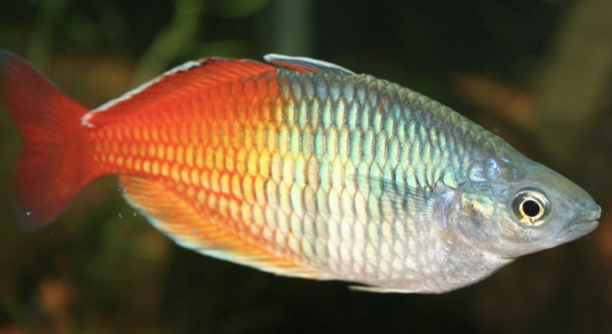
Rainbow fish are known for their bright colors and peaceful nature, making them a favorite in many aquariums. When these fish feel relaxed, their behavior reveals their calm state. Understanding these signs can improve your care for them.
Rainbow fish show their relaxed state through behaviors like slow swimming, relaxed fins, and interactions with tank mates. They often display less aggressive or territorial actions when they are comfortable, indicating they are at ease in their environment.
Recognizing the relaxed signs of your rainbow fish can help maintain their well-being. These behaviors play a significant role in ensuring a healthy, peaceful aquarium environment. Keep an eye on these behaviors for a thriving tank!
Slow Swimming Movements
When rainbow fish are relaxed, they often swim slowly around their tank. They may appear less energetic than when they’re stressed or chasing food. This slow pace allows them to move gracefully and calmly, which is a sign of contentment. You’ll notice they glide through the water effortlessly, showing no signs of rush.
A relaxed rainbow fish swims in smooth, even motions. Their movements appear gentle and unhurried. This behavior often happens when they feel safe and comfortable in their environment.
This slow swimming is not only a sign of relaxation but also indicates a lack of stress. It means your fish aren’t feeling threatened or anxious, which can make a big difference in their health. If you see your fish swimming at a relaxed pace, it means they are likely well-adjusted to their surroundings and feel secure in their tank. Pay attention to this, as it’s a good sign that everything in the tank is going smoothly.
Relaxed Fins and Body Posture
The way a rainbow fish holds its fins can tell you a lot about how it’s feeling. When relaxed, their fins will be slightly spread but not rigid. This relaxed posture helps them navigate more easily without any signs of tension.
Relaxed fins are an important indicator of comfort. Tension in the fins often suggests stress or unease. When the fins are open and flowing freely, it shows your fish is calm and confident in its environment.
The posture of the fish’s body can also help you understand its mood. A calm fish will have its body positioned naturally in the water, without arching or stiffening. This indicates that it’s not facing any challenges or threats. When you notice relaxed fins and body posture, it’s a great sign that your rainbow fish is healthy and feeling secure. This peaceful state helps them thrive in the long term and maintain their vibrant colors.
Social Interaction with Tank Mates
Rainbow fish tend to be peaceful creatures, often interacting gently with other fish. When they feel relaxed, they swim alongside their tank mates without displaying aggression. They might even engage in some playful behavior, showing no signs of dominance or territorial disputes.
This calm interaction is one of the key indicators of a relaxed rainbow fish. In a healthy aquarium, these fish form bonds with their tank mates, swimming together without any signs of fear or aggression. This behavior helps create a peaceful tank environment, where all fish coexist harmoniously. If your rainbow fish are getting along well with others, it’s a positive sign.
When a rainbow fish is relaxed, its social behavior reflects its peaceful nature. They might swim in close proximity to other fish or hover around the same area, showing no desire to chase or fight. This behavior can also help reduce stress among the entire tank. It’s essential to ensure that all your tank mates are compatible, which will encourage your rainbow fish to remain calm and social.
Feeding Habits and Appetite
Rainbow fish that are relaxed typically have a healthy appetite and eat in a calm, unhurried manner. They don’t rush to the food or fight for their share. Instead, they approach the food slowly and take their time eating.
Their relaxed approach to feeding is a strong sign that they are comfortable in their environment. Stress can cause fish to lose interest in food or eat erratically, but a relaxed fish eats steadily and without anxiety. If your rainbow fish are eating normally, it’s a good sign that they are healthy and content.
When feeding, rainbow fish usually wait for their turn, rather than aggressively competing with others. This behavior indicates that they aren’t under any stress and are enjoying their environment. Observing their calm, steady eating habits will give you valuable insight into their overall well-being. If you notice a change in their feeding habits, it may be time to check their surroundings for potential stressors.
Swimming in Open Water
When rainbow fish feel relaxed, they often swim in open areas of the tank without hesitation. They aren’t afraid of being out in the open and will move freely throughout the space, rather than hiding or staying in corners.
This behavior shows confidence and comfort. A stressed fish may seek refuge in plants or decorations, but relaxed rainbow fish enjoy exploring every part of the tank. They swim with ease, confidently moving from one end to the other.
Relaxed rainbow fish will also use open areas of the tank to interact with their environment, such as swimming near the surface or at different depths. This level of freedom means they are at ease in their space and have no fear of predators or sudden movements.
Clean, Vibrant Colors
When relaxed, rainbow fish display their vibrant colors more prominently. These fish are known for their bright, shimmering hues, which are most visible when they feel secure and stress-free.
The colors of rainbow fish may fade when they’re anxious or sick. However, when they are in a peaceful state, their colors are vivid and full. This is another visible indicator that they are calm and healthy.
Healthy, relaxed rainbow fish exhibit rich, vibrant colors that reflect their well-being. These colors often shine brightest when they feel safe, well-fed, and unstressed. This is one of the most noticeable signs of a fish’s comfort and happiness. If their colors appear dull or faded, it may be time to assess their environment or health.
Reduced Aggression
Relaxed rainbow fish show minimal aggression towards others in the tank. They swim peacefully, avoid chasing, and share space with other fish without territorial behavior.
Aggression usually decreases significantly when these fish are at ease. A relaxed rainbow fish will not compete or fight for space and will maintain a calm demeanor in the presence of other tank mates.
FAQ
How can I tell if my rainbow fish is stressed?
A stressed rainbow fish will exhibit a few noticeable behaviors. They may hide in corners or behind decorations, avoiding open spaces in the tank. Their fins may become clamped rather than spread out, and their colors may dull. They might also swim erratically or swim in circles. Changes in feeding habits or a lack of appetite are also signs of stress. If your rainbow fish suddenly starts behaving differently or shows signs of aggression, it’s important to check for potential stressors, such as water quality issues or overcrowding.
Can rainbow fish be kept with other fish?
Yes, rainbow fish are generally peaceful and can be kept with other non-aggressive fish. They tend to get along with species of similar size and temperament. However, it’s important to avoid placing them with overly aggressive fish or species that might stress them out. Also, ensure that the tank has enough space and hiding spots to accommodate all the fish. A peaceful, diverse tank environment will help your rainbow fish feel secure and reduce potential conflict.
What is the ideal water temperature for rainbow fish?
Rainbow fish prefer water temperatures between 72°F and 80°F (22°C to 27°C). They thrive in slightly warmer conditions but can tolerate a range of temperatures within this range. It’s essential to maintain a consistent temperature, as sudden fluctuations can stress the fish. A reliable aquarium heater and thermometer can help regulate the temperature to ensure a comfortable environment for your fish.
Why do rainbow fish swim in schools?
Rainbow fish naturally swim in schools as a way to protect themselves from predators. In the wild, they tend to feel safer when surrounded by their own kind, as this provides protection through numbers. In an aquarium, it’s a good idea to keep at least a few rainbow fish together to mimic their natural behavior and provide them with a sense of security. A school of rainbow fish can also display more vibrant colors and create a beautiful, dynamic tank display.
How often should I feed my rainbow fish?
Rainbow fish should be fed once or twice a day, depending on their age and size. Young or growing fish may require more frequent feeding, while adults typically do well with one feeding per day. Offering small portions that the fish can eat in a few minutes is ideal, as overfeeding can lead to water quality issues. A varied diet of high-quality flakes, pellets, and occasional live or frozen foods can keep your rainbow fish healthy and satisfied.
Can rainbow fish live with bettas?
Rainbow fish can generally coexist with bettas, as long as the betta isn’t overly aggressive. Bettas can sometimes display territorial behavior, especially males, so it’s important to monitor their interactions closely. Rainbow fish are typically peaceful and do not display aggressive behavior toward bettas, but the betta might get territorial if it feels threatened. It’s also crucial to ensure that the tank is large enough for both species to establish their own space and reduce stress.
What size tank do rainbow fish need?
Rainbow fish need a tank that provides enough space for them to swim freely. A minimum of 30 gallons is recommended for a small group of rainbow fish. The more space you can provide, the better, as this helps to reduce stress and allows the fish to exhibit their natural behaviors. A larger tank also provides more room for tank mates and ensures the water quality remains stable.
How do I know if my rainbow fish is healthy?
Healthy rainbow fish display bright, vibrant colors and swim smoothly throughout the tank. They should have relaxed fins, and their movements should be fluid and graceful. A healthy fish will eat regularly, without hesitation, and show no signs of aggression toward other tank mates. Clear, vibrant eyes and smooth, undamaged scales are other good indicators of health. Regular water changes and maintaining good water quality are key to ensuring your rainbow fish stays healthy.
Do rainbow fish need a filter?
Yes, rainbow fish benefit from having a good filtration system in their tank. A filter helps maintain clean water by removing waste, uneaten food, and other impurities. Proper filtration helps to reduce the risk of diseases and supports the overall health of the fish. Be sure to choose a filter appropriate for the size of your tank and avoid excessive water flow, which could stress the fish.
Can rainbow fish live with shrimp or snails?
Rainbow fish can usually live with shrimp and snails, as they are peaceful creatures. However, some larger rainbow fish might view smaller shrimp as food. It’s essential to choose shrimp species that are large enough to avoid being eaten and monitor interactions. Snails are generally safe with rainbow fish, and they can help keep the tank clean by eating leftover food and algae.
What do I do if my rainbow fish’s colors are fading?
Fading colors in rainbow fish can be a sign of stress, poor water quality, or illness. If you notice that your fish’s colors are dull or fading, first check the water parameters, including temperature, pH, and ammonia levels. Ensure your fish are not overcrowded and that they are not being harassed by tank mates. If the environment is healthy and the problem persists, it may be worth consulting a veterinarian for a health check.
How long do rainbow fish live?
Rainbow fish generally have a lifespan of 5 to 8 years when kept in optimal conditions. Their lifespan can be influenced by factors such as water quality, diet, and tank conditions. Providing a stress-free, clean environment with stable water parameters can help your rainbow fish live a long, healthy life. Regular water changes and proper tank maintenance are key to ensuring longevity.
Final Thoughts
Rainbow fish are known for their peaceful nature and beautiful, vibrant colors. When they feel relaxed, their behaviors are easy to spot. These behaviors, such as slow swimming, relaxed fins, and calm interactions with tank mates, show that the fish are comfortable in their environment. By paying attention to these signs, you can ensure that your rainbow fish remain healthy and stress-free. A calm fish will usually have brighter colors, swim confidently in open spaces, and feed regularly without hesitation. These are all signs that your fish is thriving.
Creating a comfortable environment for rainbow fish is important for their well-being. Maintaining good water quality, providing enough space, and offering a balanced diet are all essential aspects of their care. Rainbow fish are social creatures that do well in schools, so keeping a few together can help them feel more secure. It’s also important to choose tank mates wisely. Avoid aggressive fish that may stress out your rainbow fish. By ensuring your tank setup meets their needs, you can enjoy watching these peaceful fish display their natural behaviors and colors.
In conclusion, relaxed rainbow fish are a pleasure to observe. Their calm, graceful swimming and vibrant colors add beauty to any aquarium. By understanding the signs that show they are relaxed, you can provide the best care possible. This includes maintaining a stable environment, monitoring their health, and ensuring they have enough space to swim freely. With the right care, your rainbow fish will continue to thrive, showing their natural behaviors and bright colors for years to come.

Hello,
If you enjoy the content that we create, please consider saying a "Thank You!" by leaving a tip.
Every little bit helps us continue crafting quality advice that supports the health, happiness, and well-being of pets around the world, for pets of all shapes, sizes, and species.
We really appreciate the kindness and support that you show us!