
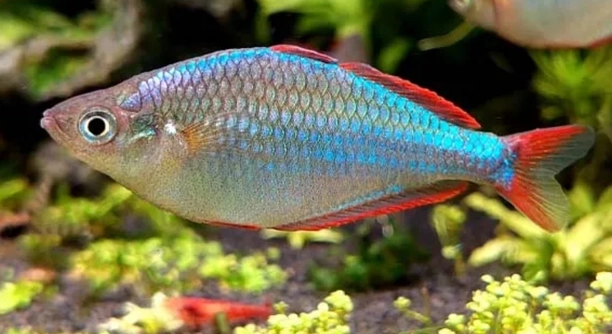
Rainbow fish are known for their vibrant colors and active nature. A well-maintained tank is key to keeping them happy and healthy. By upgrading their tank setup, you can provide them with a more comfortable and enjoyable environment.
The right tank upgrades can enhance the well-being of rainbow fish by providing more space, better water quality, and stimulating features. Adding plants, suitable filtration, and proper tank mates can help reduce stress and promote natural behaviors.
These simple upgrades can make a significant difference in your rainbow fish’s life, ensuring they thrive in their aquatic home.
Adding Live Plants for Natural Filtration
Live plants are an essential upgrade for any rainbow fish tank. They not only enhance the aesthetic appeal but also help maintain water quality. Plants absorb excess nutrients, providing a natural way to filter the water and reduce algae growth. Additionally, they offer hiding spots and areas for your fish to explore, which can reduce stress and promote natural behaviors.
Adding plants like Java Fern, Anubias, or Amazon Sword to your tank can provide plenty of hiding spots for rainbow fish. These plants are easy to care for and can thrive in a variety of conditions. Their root systems help to filter the water, promoting a healthier environment. Plants also help stabilize the tank’s pH, reducing fluctuations that could harm your fish.
A well-planted tank also mimics the rainbow fish’s natural habitat, making them feel more at home. Over time, these plants will grow and create a lush, vibrant environment that benefits both the fish and the overall ecosystem of the tank.
Upgrade the Filtration System
A high-quality filtration system is crucial for keeping your rainbow fish healthy. The right filter removes debris, waste, and toxins, ensuring the water stays clean and clear. Consider a canister filter for larger tanks or a hang-on-back filter for smaller setups.
A good filtration system can prevent many health issues caused by poor water quality. By choosing the right filter for your tank size and maintenance routine, you ensure that your rainbow fish have the clean, oxygen-rich environment they need to thrive. A more efficient filtration system will reduce the need for frequent water changes, saving you time and effort while maintaining optimal tank conditions.
Upgrade Tank Lighting for Vibrant Colors
Proper lighting helps bring out the beautiful colors of your rainbow fish. Bright, natural light simulates the conditions of their native habitats and encourages vibrant color displays. LED lights are a great choice as they are energy-efficient and customizable, offering a range of light intensities and colors.
Incorporating a light cycle that mimics day and night is also beneficial for your fish’s well-being. Too much light can cause stress, while insufficient light may hinder the fish’s natural coloration. A 10-12 hour light cycle is ideal, with a gradual transition from day to night to simulate sunrise and sunset.
Using a light system with adjustable brightness can also be a great option. This will allow you to control the intensity based on the time of day, ensuring your rainbow fish have the optimal lighting for both comfort and color. With the right setup, your fish’s natural colors will truly pop.
Proper Tank Size and Layout
Rainbow fish need enough space to swim and explore. A tank that is at least 30 gallons is ideal for a small school, but larger tanks offer even more freedom for movement. A cramped tank can lead to stressed fish and behavioral issues.
A well-planned tank layout also helps improve the overall experience for your fish. Incorporating open swimming areas alongside plants and decorations offers the best of both worlds. It provides hiding spots and stimulation while leaving enough room for your rainbow fish to swim freely. Using decorations like rocks or driftwood can also help create a more natural habitat.
This setup will help your rainbow fish feel comfortable and less territorial, reducing stress and promoting healthy behavior. With more space, they can interact with each other, swim freely, and exhibit their natural behaviors, contributing to their overall health and happiness.
Adding the Right Tank Mates
Choosing the right tank mates is key to keeping your rainbow fish calm. They are peaceful by nature but can become stressed if housed with overly aggressive species. Consider pairing them with other non-aggressive fish that share similar water temperature and pH requirements.
Species like Corydoras catfish or small tetras make great tank mates for rainbow fish. These peaceful companions will not compete for space or territory. Avoid large, territorial fish that may bully the rainbow fish. By carefully selecting tank mates, you create a harmonious environment for all species in the tank.
Temperature and Water Parameters
Rainbow fish thrive in water with a temperature range of 74-80°F (23-27°C). It’s important to maintain a stable temperature, as drastic fluctuations can stress the fish. Invest in a reliable heater and thermometer to keep things consistent.
Along with temperature, the pH level of the water should be slightly acidic to neutral, around 6.5 to 7.5. Regular water testing will help ensure these conditions remain stable. By keeping both the temperature and pH levels within the ideal range, you promote the health of your rainbow fish and encourage natural behaviors. Regular monitoring ensures a stress-free environment for your fish to thrive in.
Regular Maintenance and Cleaning
Regular maintenance is necessary to keep your tank in top condition. Clean the filter, replace water, and remove any uneaten food or debris to prevent waste buildup. Doing this weekly helps maintain the water quality.
Proper maintenance ensures that your rainbow fish are not exposed to harmful toxins or diseases. Regularly removing algae, vacuuming the substrate, and checking equipment will help keep your tank clean and your fish healthy. It also reduces the risk of waterborne illnesses and keeps the fish’s environment thriving, ensuring they remain comfortable.
FAQ
How often should I change the water in my rainbow fish tank?
It’s important to change about 25-30% of the water every 1-2 weeks to maintain good water quality. This helps remove waste and toxins that may have built up. If you have a heavily stocked tank, consider doing water changes more frequently to ensure a clean environment for your rainbow fish.
Can rainbow fish live with other species?
Yes, rainbow fish are generally peaceful and can live with many other species. It’s best to choose non-aggressive tank mates like tetras, Corydoras catfish, or peaceful shrimp. Avoid housing them with large or territorial fish that could stress them out.
What is the ideal tank size for rainbow fish?
A tank of at least 30 gallons is recommended for a small school of rainbow fish. The more space you provide, the better. A larger tank offers more room for them to swim and interact, which promotes healthier, less stressed fish.
Do rainbow fish need a lot of light?
Rainbow fish do enjoy moderate lighting, which helps bring out their vibrant colors. However, too much direct light can cause algae growth and stress. A light cycle of 10-12 hours a day is ideal, simulating a natural day-night cycle.
What type of substrate is best for rainbow fish?
Rainbow fish prefer a soft substrate like fine gravel or sand. This makes it easier for them to forage and swim freely without causing damage to their fins. Avoid sharp or rough substrates that could harm their delicate bodies.
How do I maintain water quality for my rainbow fish?
The key to maintaining water quality is a reliable filtration system and regular water changes. Test the water weekly to ensure the pH, ammonia, and nitrate levels are within safe ranges. Keep the water clean by removing uneaten food and debris promptly.
Do rainbow fish need a lot of plants in their tank?
While rainbow fish don’t require heavy planting, adding some live plants provides many benefits. Plants help with water filtration, reduce stress, and offer hiding places, making your fish feel more secure. Low-maintenance plants like Java fern or Anubias are excellent options.
Can rainbow fish survive in cold water?
Rainbow fish thrive in warmer water, ideally between 74-80°F (23-27°C). Cold water can cause stress and health problems, so it’s important to keep their tank within this temperature range. Use a heater to maintain stable water conditions.
How do I prevent disease in my rainbow fish tank?
Maintaining good water quality, avoiding overfeeding, and providing a stress-free environment are key to preventing disease. Quarantine new fish before introducing them to your tank and regularly clean the tank and filter. Regularly monitor the fish for any signs of illness.
Why is my rainbow fish losing color?
Rainbow fish may lose their vibrant colors due to stress, poor water quality, or improper diet. Ensure they have a stable environment, clean water, and a varied diet that includes both high-quality flakes and occasional live or frozen foods.
Can I keep rainbow fish in a tank with high nitrate levels?
No, rainbow fish are sensitive to high nitrate levels. Nitrates can cause stress and lead to health issues, so it’s important to keep nitrate levels below 40 ppm. Regular water changes and proper filtration can help keep nitrate levels in check.
What do rainbow fish eat?
Rainbow fish are omnivores and enjoy a varied diet. Provide them with high-quality flakes, pellets, and occasional live or frozen foods like brine shrimp or daphnia. A varied diet ensures they receive the nutrients they need to stay healthy and vibrant.
How many rainbow fish should I keep together?
Rainbow fish are social creatures and thrive in groups. A school of at least 5-6 rainbow fish is ideal. Keeping them in groups encourages natural behaviors and reduces stress, which is crucial for their overall well-being.
Can rainbow fish breed in a community tank?
Yes, rainbow fish can breed in a community tank if the conditions are right. They prefer slightly acidic to neutral water with a stable temperature. However, if you want to ensure successful breeding, it’s best to set up a separate breeding tank.
What should I do if my rainbow fish is showing signs of stress?
Stress in rainbow fish can be caused by poor water quality, overcrowding, or aggressive tank mates. Check the water parameters and ensure the tank is large enough and well-maintained. Reduce stressors by removing aggressive fish and providing plenty of hiding spots.
How can I tell if my rainbow fish is healthy?
A healthy rainbow fish will have vibrant colors, clear eyes, and active behavior. They should be swimming freely and interacting with other fish. If you notice faded colors, sluggishness, or odd swimming patterns, these may be signs of illness or stress.
Are rainbow fish easy to care for?
Rainbow fish are relatively easy to care for as long as their tank conditions are stable. They do well in a properly maintained tank with regular water changes, good filtration, and a balanced diet. Their peaceful nature makes them suitable for beginner and experienced fishkeepers alike.
Final Thoughts
Rainbow fish are a beautiful addition to any aquarium. Their vibrant colors and peaceful nature make them a favorite for many aquarium enthusiasts. With the right care, they can thrive and bring life to your tank. By ensuring a proper environment, providing the right tank mates, and maintaining good water quality, you can keep your rainbow fish healthy and happy for years to come. It’s important to remember that their well-being relies on consistent care, including regular water changes and keeping a balanced diet.
One of the most important aspects of caring for rainbow fish is maintaining stable tank conditions. Temperature, pH, and water quality are all crucial factors for their health. Keeping the water clean with proper filtration and doing regular water changes will help prevent diseases and ensure that your fish stay vibrant and active. Choosing the right tank mates is another key factor. Rainbow fish are peaceful and do well with other non-aggressive species. Avoiding overly territorial or aggressive fish will reduce stress and promote a harmonious tank environment.
Finally, don’t forget the importance of regular observation. By paying attention to your rainbow fish’s behavior and appearance, you can catch any potential problems early. If you notice changes in their color, activity level, or appetite, it might be time to check the water conditions or make adjustments to their environment. Rainbow fish are relatively low-maintenance, but keeping them in optimal conditions will help them live a long, healthy life. Following these simple guidelines will ensure that your aquarium remains a peaceful, thriving space for both you and your fish.

Hello,
If you enjoy the content that we create, please consider saying a "Thank You!" by leaving a tip.
Every little bit helps us continue crafting quality advice that supports the health, happiness, and well-being of pets around the world, for pets of all shapes, sizes, and species.
We really appreciate the kindness and support that you show us!