
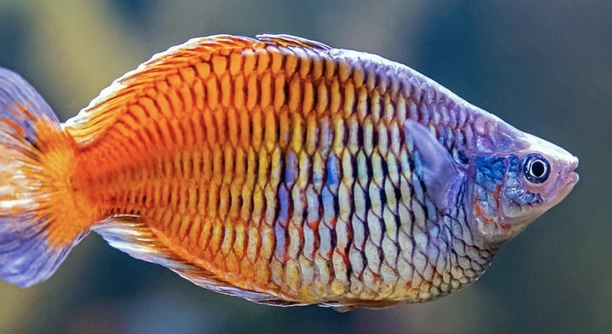
Rainbow fish are known for their vibrant colors and active swimming. However, if you notice your rainbow fish swimming at an angle, it could indicate an underlying issue. Understanding the cause can help you address it.
The primary reason your rainbow fish may swim at an angle is due to swim bladder disease. This condition affects the fish’s buoyancy, causing it to struggle with swimming in a straight line. Other factors, such as water quality and diet, can also contribute.
Taking care of the water conditions and addressing potential health issues can improve your rainbow fish’s swimming behavior. Identifying the root cause will help restore its natural movement and overall well-being.
Understanding Swim Bladder Disease
Swim bladder disease is a common condition in fish, particularly affecting their ability to maintain buoyancy. This disease impacts the fish’s ability to float and swim properly, often resulting in them swimming at an angle or struggling to stay upright. The swim bladder helps the fish control its buoyancy, but when damaged or infected, the fish may struggle to stay level in the water.
The disease can be caused by a variety of factors, including poor water quality, overfeeding, or stress. It can also be a result of a bacterial infection. The symptoms of swim bladder disease often appear suddenly and can cause noticeable behavior changes, such as tilt or difficulty swimming.
To address swim bladder disease, it’s important to examine your fish’s diet and environment. Adjusting the water temperature and performing regular water changes can help alleviate the symptoms. Additionally, reducing the amount of food given and offering sinking pellets may improve the situation.
Other Possible Causes
Swim bladder disease is not the only reason your fish may swim at an angle. A variety of environmental and health factors could contribute to this issue. For instance, sudden changes in water temperature or poor tank conditions can disrupt a fish’s ability to swim normally.
Stress is another factor that can impact your rainbow fish’s behavior. Whether caused by aggressive tank mates or overcrowding, stress can interfere with its buoyancy. Fish that are under stress may also display signs of erratic swimming.
In addition to environmental factors, nutritional imbalances can affect your fish’s buoyancy. A lack of proper nutrients or an excess of certain foods can put pressure on the fish’s internal organs, including the swim bladder. Keeping your fish on a balanced diet with appropriate food types will help prevent these issues from arising.
Water Quality and Temperature
The water quality in your tank plays a crucial role in the health of your fish. Poor water quality can lead to several health issues, including swim bladder problems. Regular water changes and maintaining stable water parameters are essential to prevent illness.
Fish are sensitive to changes in their environment, particularly water temperature. If the water is too cold or fluctuates frequently, it can stress your rainbow fish and lead to buoyancy issues. Keep the tank temperature consistent with the needs of your species, typically between 74°F and 80°F. If the water is too warm or too cold, it can exacerbate swim bladder problems.
Maintaining good water quality also means keeping the pH, ammonia, nitrites, and nitrates in balance. If these parameters are off, it can affect your fish’s overall health. You can monitor water quality by using test kits to ensure everything is within the ideal range for your rainbow fish.
Diet and Feeding Habits
The way you feed your fish can have a direct impact on their health. Overfeeding is one of the most common causes of swim bladder issues in fish. When they consume too much food, it can cause indigestion or constipation, which can pressure the swim bladder and affect their buoyancy.
Make sure to feed your rainbow fish the right amount of food for its size. Instead of large feedings, offer smaller portions two to three times a day. Sinking pellets are preferable, as they allow the fish to eat at a comfortable pace. If your fish is already showing signs of swim bladder disease, fasting for a few days can help clear out any excess food and improve digestion.
It’s also important to offer a varied diet, including live or frozen foods, which provide better nutrition than processed flakes alone. Proper diet management will not only help prevent swim bladder issues but will keep your fish healthy and active.
Tank Mates and Stress
Aggressive tank mates can contribute to stress and health problems in rainbow fish. When your fish feel threatened, they may not swim comfortably or behave normally, which can impact their buoyancy. Monitor their interactions and remove any overly aggressive species.
Stress from competition for food or territory can also interfere with swimming. To minimize stress, ensure that the tank is not overcrowded and that each fish has enough space. Adding plenty of hiding spots and plants can help create a more peaceful environment.
Water Filtration and Oxygen Levels
Good filtration is essential for keeping the water clean and oxygenated. Insufficient oxygen in the water can lead to difficulty in swimming and overall health problems for your fish. Make sure your filtration system is appropriate for the size of your tank and is maintaining proper oxygen levels.
Additionally, providing gentle water flow can ensure that your rainbow fish remains comfortable. Too much current can stress the fish, especially if they are already struggling with buoyancy. You can use air stones or filters with adjustable flow rates to create a calm environment.
Observation and Early Detection
Observing your fish regularly can help catch any issues early. If you notice your rainbow fish swimming at an angle or struggling to stay upright, address it promptly. Early intervention can prevent further complications and help ensure a faster recovery.
If symptoms persist despite addressing potential causes, consider consulting a vet with experience in fish health.
FAQ
Why is my rainbow fish swimming at an angle?
A rainbow fish swimming at an angle is often a sign of swim bladder disease, which affects their buoyancy. This condition can be caused by several factors, including poor water quality, overfeeding, stress, or even a bacterial infection. Ensuring proper water conditions, a balanced diet, and monitoring for any aggressive tank mates can help address this issue.
Can swim bladder disease be cured?
Yes, swim bladder disease can often be treated if caught early. The first step is to improve the water quality, maintain a stable temperature, and avoid overfeeding. You can also fast your fish for a few days to help clear any digestive blockages. In some cases, medication may be required if a bacterial infection is present.
How can I prevent swim bladder disease?
Preventing swim bladder disease involves maintaining optimal water conditions, such as clean water with stable temperatures. Feeding your fish the right amount of food and ensuring they’re not overfed is also crucial. Regular water changes and a balanced diet will help prevent many causes of swim bladder disease.
Can stress cause my rainbow fish to swim at an angle?
Yes, stress can contribute to abnormal swimming behavior. Stress from overcrowding, aggressive tank mates, or sudden changes in water conditions can cause your rainbow fish to swim at an angle. It’s essential to monitor the tank environment, ensure enough space, and reduce aggression to help keep your fish calm and healthy.
What should I feed my rainbow fish to avoid swim bladder issues?
To avoid swim bladder issues, feed your rainbow fish a balanced diet. Offer a mix of high-quality flakes, pellets, and occasional live or frozen foods. Avoid overfeeding, as excess food can lead to digestive problems. Providing sinking pellets may help prevent your fish from swallowing air, which can contribute to swim bladder problems.
What temperature should my rainbow fish’s tank be?
Rainbow fish prefer a stable water temperature between 74°F and 80°F. Extreme fluctuations in temperature can stress your fish and lead to health issues, including problems with swimming. Use a reliable aquarium heater to maintain a consistent temperature and monitor it regularly to ensure it stays within the optimal range.
Can poor water quality lead to swim bladder issues?
Yes, poor water quality can significantly impact your fish’s health, including causing swim bladder problems. High levels of ammonia, nitrites, or nitrates can irritate your fish and affect their ability to swim properly. Regular water testing and changes are essential to maintaining healthy water quality and preventing swim bladder issues.
How do I know if my rainbow fish is constipated?
If your rainbow fish is struggling to swim or appears bloated, constipation may be the cause. Constipation can put pressure on the swim bladder, leading to abnormal swimming. Signs of constipation may include a swollen abdomen or difficulty passing waste. To treat constipation, consider fasting the fish for a few days and offering blanched peas or other fiber-rich foods.
Can swim bladder disease cause permanent damage?
If left untreated for too long, swim bladder disease can lead to permanent damage to the fish’s internal organs. However, with prompt treatment and care, many fish can recover fully from swim bladder issues. The key is to address the symptoms early, improve water quality, and adjust the fish’s diet and environment.
Is swim bladder disease contagious to other fish?
Swim bladder disease is typically not contagious, but it can be caused by infections or poor water quality, which can affect other fish in the tank. If you notice multiple fish showing signs of swim bladder problems, it’s important to check the water quality and treat the entire tank as needed. Isolating affected fish can also help prevent the spread of infection.
How often should I clean my rainbow fish’s tank?
To keep your rainbow fish healthy, it’s important to clean the tank regularly. Perform partial water changes every week to maintain clean water and reduce waste buildup. Additionally, vacuum the substrate and clean any decorations or filters monthly to keep the tank environment stable and healthy for your fish.
Can tank mates affect my rainbow fish’s swimming behavior?
Yes, tank mates can affect your rainbow fish’s behavior. Aggressive or overly active fish can stress your rainbow fish, causing them to swim erratically or at an angle. Make sure to choose tank mates that are peaceful and not overly territorial. Providing plenty of hiding spots can also help reduce stress among fish.
How can I treat swim bladder disease with medications?
If swim bladder disease is caused by a bacterial infection, you may need to use antibiotics to treat the fish. Many aquarium supply stores sell medications specifically designed for swim bladder disease. Follow the instructions carefully to ensure proper dosage and treatment. Always check your water quality before using any medications to ensure the best outcome.
Why is my rainbow fish swimming upside down?
Swimming upside down can be a more severe symptom of swim bladder disease, often indicating a more advanced issue. This can happen when the fish’s swim bladder becomes damaged or infected, affecting its ability to maintain balance. In these cases, treatment with proper water changes, medication, and dietary adjustments is necessary to address the problem.
Can overfeeding cause a rainbow fish to swim at an angle?
Yes, overfeeding is one of the most common causes of swim bladder issues in fish. When a fish eats too much, it can lead to constipation, which puts pressure on the swim bladder. This can cause your rainbow fish to swim at an angle or display other signs of buoyancy problems. Avoid overfeeding by providing small, frequent meals instead of large portions.
Final Thoughts
Rainbow fish swimming at an angle is a condition that can be caused by several factors, from swim bladder disease to stress or poor water quality. Understanding the reasons behind this behavior is key to addressing the issue and helping your fish recover. Maintaining a healthy tank environment is crucial to preventing these problems in the first place. Regular water changes, appropriate tank mates, and monitoring the fish’s behavior can go a long way in ensuring their well-being.
It’s important to act quickly if you notice that your rainbow fish is swimming at an angle. Early detection can prevent further complications and ensure a faster recovery. First, check the water quality and make sure there is no buildup of toxins like ammonia or nitrites. If the water quality is poor, perform a water change immediately. Then, assess the fish’s diet, avoiding overfeeding and offering a balanced mix of foods. If the issue seems related to stress, reduce overcrowding or remove aggressive tank mates. In some cases, medication may be needed if an infection is present.
While it can be concerning to see your rainbow fish swimming at an angle, many of these issues can be addressed with the right care and attention. By keeping the tank clean, maintaining proper water parameters, and providing a balanced diet, you can help prevent these problems in the future. If symptoms persist despite your efforts, consulting a veterinarian with expertise in fish health may be necessary to provide further treatment and care.

Hello,
If you enjoy the content that we create, please consider saying a "Thank You!" by leaving a tip.
Every little bit helps us continue crafting quality advice that supports the health, happiness, and well-being of pets around the world, for pets of all shapes, sizes, and species.
We really appreciate the kindness and support that you show us!