
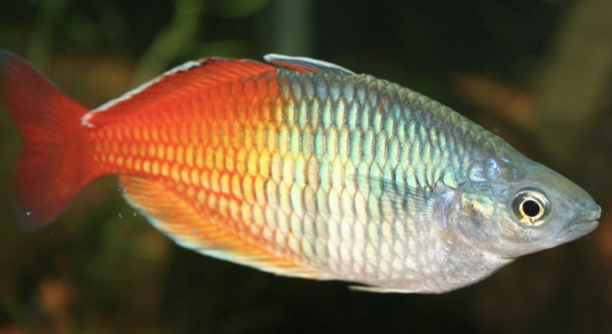
Rainbow fish are popular in home aquariums, known for their bright colors and active nature. As fish owners, we often wonder how different factors, like vibrations, may affect the behavior of our aquatic pets.
Rainbow fish can react to vibrations in their environment. These fish have sensitive lateral lines that help them detect changes in their surroundings, including vibrations in the water. This ability allows them to respond to movements and disturbances.
Understanding how tank vibrations influence rainbow fish can help you create a better environment for them. Exploring this behavior will also give you insight into how they interact with their surroundings and react to changes in their habitat.
How Rainbow Fish Detect Vibrations in Their Environment
Rainbow fish, like many other aquatic species, have an advanced sensory system. Their lateral line is a key feature that allows them to detect vibrations and movements in the water. This system consists of specialized cells along their bodies that can sense slight changes in water pressure. The lateral line helps the fish detect nearby objects, predators, or other fish, even in dark or murky water. It’s a crucial tool for navigation and communication. In the case of tank vibrations, rainbow fish can pick up on disturbances caused by movements outside the tank or equipment running inside the aquarium.
These vibrations are not always harmful, but they can impact the behavior of the fish. In an aquarium setting, any sudden or continuous disturbances can stress the fish, leading to erratic swimming patterns or hiding. However, it’s important to note that they can also adapt to routine vibrations, like those from aquarium filters or air pumps.
Fish rely heavily on their environment for safety, and if vibrations become too intense or constant, the stress may lead to a weakened immune system. By keeping vibrations to a minimum, you can help maintain the health and wellbeing of your rainbow fish.
How Aquarium Equipment Influences Rainbow Fish
The most common sources of vibrations in an aquarium come from equipment like filters, air pumps, and even tank heaters. These devices are necessary for maintaining water quality and temperature, but they can create constant vibrations. While fish can usually adapt, the intensity and frequency of these vibrations are important. Excessive or sudden vibrations, especially when combined with other stressors like poor water quality or high noise levels, can cause discomfort for your fish.
Maintaining proper equipment is essential for ensuring that the vibrations in the tank are not overwhelming for your rainbow fish. Regular checks can prevent malfunctioning filters or air pumps from creating erratic movements in the water that could stress your fish. Another factor is the placement of these devices. Positioning equipment near the bottom of the tank or away from areas where the fish frequently swim can help reduce the intensity of vibrations they experience.
If you notice that your rainbow fish become more stressed when certain equipment is running, consider adjusting the placement or even investing in quieter models to minimize the impact of vibrations. Maintaining a peaceful environment is key to supporting your fish’s health and happiness.
Effects of Tank Vibrations on Fish Behavior
Tank vibrations can cause rainbow fish to act out of character. They may swim erratically or hide, which is a clear sign of stress. Fish rely on stability for comfort, and constant or intense vibrations disrupt that calm. When they detect unusual movements, they may feel threatened, even if the source isn’t immediately obvious.
While occasional vibrations, like those from aquarium filters, are generally harmless, excessive shaking can lead to behavioral issues. Rainbow fish may start to exhibit nervousness, staying in one spot or hiding in corners. Stress can also affect their eating habits, leading to a decreased appetite. In some cases, consistent exposure to tank vibrations may cause long-term health issues, such as a weakened immune system. Keeping vibrations at a moderate level helps reduce these risks and maintain normal behavior.
Ways to Reduce Vibrations in the Aquarium
To reduce vibrations, one of the easiest solutions is to ensure all equipment is functioning properly and quietly. Filters, air pumps, and heaters should be regularly maintained to ensure they are not overworking or malfunctioning.
Additionally, the placement of equipment matters. Keeping devices like filters or air stones away from areas where your fish frequently swim can help minimize the vibrations they experience. You can also look into getting quieter models of equipment to reduce unnecessary noise and vibrations. Ensuring the tank is set on a stable surface also helps; any wobble in the stand can make vibrations worse. By addressing these factors, you can help provide a more comfortable environment for your fish.
Can Vibrations Affect Rainbow Fish Health?
Excessive vibrations can lead to physical stress, making rainbow fish more susceptible to illness. Prolonged exposure to disturbances can cause their immune systems to weaken. If vibrations continue over time, the risk of disease increases due to the added stress on their bodies.
Fish are sensitive to changes in their environment, and when the water vibrates constantly, it can interfere with their natural behavior and biological processes. This can lead to a reduction in overall health and longevity. Reducing the vibrations in the tank can minimize this risk and help maintain the fish’s wellbeing, ensuring a healthy, thriving environment.
Observing Stress in Rainbow Fish
Rainbow fish can show various signs of stress when exposed to persistent vibrations. Changes in swimming patterns, such as darting around the tank or hiding, are common indicators. If the fish seem nervous or more aggressive than usual, it may be a response to the vibrations.
Other signs include reduced feeding, as stressed fish may lose their appetite or be less willing to come out for food. Additionally, fish might exhibit signs of physical distress, such as faded colors or visible injuries from erratic movements. It’s important to monitor these behaviors and make adjustments to reduce stress factors.
Adjusting the Tank Environment
Creating a balanced environment can go a long way in reducing vibrations. Positioning the tank on a sturdy, level surface is key. A wobbly stand can make small vibrations more noticeable. Keep the tank away from high-traffic areas to avoid additional external movements.
Even something as simple as adjusting the filter flow can help. Filters with adjustable settings can allow you to control the intensity of water movement, which can help reduce vibration in the tank.
FAQ
How do rainbow fish detect vibrations?
Rainbow fish use their lateral line to detect vibrations in the water. This sensory system consists of specialized cells that can pick up changes in pressure, helping the fish sense movement and disturbances around them. This is how they can detect nearby objects, other fish, or even threats like predators. In an aquarium, vibrations from the tank’s equipment or from external movements can be picked up by the fish, allowing them to respond accordingly.
Are vibrations in the tank harmful to rainbow fish?
Constant or excessive vibrations can be harmful to rainbow fish. While they can adapt to routine vibrations, such as those caused by filters or air pumps, vibrations that are too strong or frequent can cause stress. Stress in fish can lead to health issues, including reduced immunity, erratic behavior, and a decrease in appetite. It’s important to minimize unnecessary disturbances to keep the fish comfortable and healthy.
How can I tell if my rainbow fish are stressed by vibrations?
Rainbow fish show several signs when stressed. If they become more aggressive, swim erratically, or stay hidden for long periods, these are indicators that something in their environment is bothering them. Stress from vibrations might also cause the fish to stop eating or exhibit faded colors. If you notice these signs, it may be a sign to adjust the tank environment, including the equipment causing vibrations.
What types of tank equipment cause vibrations?
Tank equipment that causes vibrations includes filters, air pumps, heaters, and any devices that create water movement. Filters are the most common source, as they continuously run and can produce vibrations. Air pumps also cause slight movements in the water, which the fish can detect. While these devices are necessary for maintaining the tank environment, their vibrations should be kept to a minimum.
Can I reduce vibrations without changing my tank equipment?
Yes, reducing vibrations does not always require replacing equipment. You can place your aquarium on a sturdy, level surface to prevent wobbling, which can amplify vibrations. Ensuring that equipment like filters or air pumps is properly maintained and doesn’t produce excessive noise or movement will also help. Placing these devices away from the main swimming areas of the tank can reduce the impact on your fish. Additionally, checking for any loose parts or malfunctioning equipment can help reduce unwanted vibrations.
Do rainbow fish adapt to tank vibrations over time?
Rainbow fish can adapt to mild and consistent vibrations over time, such as those caused by a filter running in the background. If the vibrations are not too intense and the fish can adjust to the movement, they may show fewer signs of stress. However, if the vibrations are excessive or vary in intensity, it’s less likely the fish will fully adjust, and the stress could impact their health in the long run.
Should I invest in quieter aquarium equipment for my rainbow fish?
Investing in quieter aquarium equipment can help reduce unnecessary vibrations. Quieter filters, air pumps, and heaters can provide a calmer environment for your rainbow fish. This can minimize the stress caused by loud or constant vibrations, allowing the fish to thrive. If you notice your fish reacting negatively to the current equipment, quieter alternatives may be worth considering.
How do vibrations affect rainbow fish’s immune system?
Vibrations, when causing stress over time, can weaken a fish’s immune system. Stress activates the fight-or-flight response in fish, and chronic stress can suppress their immune function, making them more vulnerable to diseases. Ensuring a calm environment with minimal vibrations helps to keep the fish in a more stable state, promoting better health and stronger immunity.
What is the best way to set up my tank to minimize vibrations?
To minimize vibrations, start by placing your tank on a stable, solid surface. Avoid placing it on wobbly furniture or areas where it may be exposed to sudden movements. Positioning equipment like filters and air pumps away from areas where the fish swim most frequently can reduce their exposure to constant disturbances. If possible, use adjustable settings on equipment like filters to control the water flow and reduce unnecessary movement. Regular maintenance of equipment will also help prevent malfunctioning parts from creating extra vibrations.
Can vibrations from external sources affect my aquarium fish?
Yes, vibrations from external sources can affect your aquarium fish. If your tank is located near a busy area, such as a walkway or a room with frequent traffic, the movement of people or objects could cause vibrations. Similarly, loud noises from outside the room can cause vibrations that the fish can detect. If you notice your fish acting stressed due to external disturbances, it may be helpful to move the tank to a quieter area of your home.
Is it possible to monitor tank vibrations?
There are specialized devices available that can measure vibrations in your aquarium. These tools can help you determine if your tank is subject to excessive vibrations, either from equipment or external sources. Monitoring the vibrations can help you make adjustments to improve your fish’s environment. If you’re concerned about vibrations, looking into such devices could give you a clearer understanding of what your fish are experiencing.
Final Thoughts
Rainbow fish are sensitive creatures, and their ability to detect vibrations plays a significant role in their daily lives. The lateral line system helps them sense even the slightest movements in the water. This allows them to detect predators, navigate their environment, and interact with other fish. However, when tank vibrations become too frequent or intense, it can cause them stress. Understanding how vibrations affect their behavior and health is essential for any aquarium owner who wants to create the best possible environment for their fish.
If you want to keep your rainbow fish healthy and happy, it’s crucial to be mindful of the vibrations in their tank. Small disturbances caused by filters, pumps, or heaters are normal, but excessive or constant vibrations should be avoided. Fish that are exposed to too many vibrations may show signs of stress, such as erratic swimming, hiding, or refusing to eat. Long-term exposure to vibrations can weaken their immune system, making them more susceptible to illness. By monitoring and adjusting the equipment in your tank, you can reduce these negative effects and help your fish thrive.
Creating a calm and stable environment for your rainbow fish involves more than just reducing vibrations. Regular maintenance of your tank and equipment is key to ensuring everything is functioning properly. By placing your equipment thoughtfully, keeping it well-maintained, and avoiding unnecessary disturbances, you can provide a peaceful home for your fish. A stable environment helps rainbow fish feel secure, which can lead to better health, improved behavior, and a more enjoyable aquarium experience for both you and your pets. With the right care and attention, you can create a space where your fish are comfortable and stress-free.

Hello,
If you enjoy the content that we create, please consider saying a "Thank You!" by leaving a tip.
Every little bit helps us continue crafting quality advice that supports the health, happiness, and well-being of pets around the world, for pets of all shapes, sizes, and species.
We really appreciate the kindness and support that you show us!