
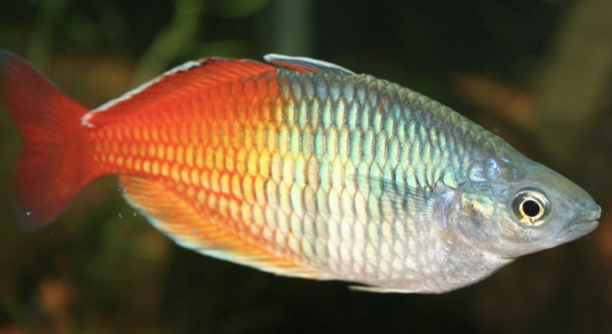
Are your rainbow fish always hovering in one corner, leaving the rest of the tank empty and bare? This can be a common sight for many fish owners and can feel a bit concerning.
Rainbow fish tend to stay in the corner due to stress, poor water conditions, or lack of stimulation in their environment. These factors affect their natural behavior and can lead to inactivity, making them appear withdrawn or uninterested.
Understanding how small changes in their tank setup or routine can improve their comfort is key to helping them feel more at ease.
Common Reasons for Corner-Hugging Behavior
Rainbow fish may stay in the corner because they feel unsafe or uncomfortable. This can happen when there are sudden changes in their environment, like new tank mates, noisy surroundings, or a lack of hiding spots. Poor water quality is also a major factor. Ammonia, nitrate, and pH levels that are off balance can make fish feel unwell and stressed. Water that’s too warm or too cold can do the same. Lighting also matters—too bright or too dim can throw off their comfort. Another reason is lack of stimulation. If the tank is bare, or if the fish don’t have enough space to swim, they may stay in one spot. Some rainbow fish are naturally more shy and need time to adapt to new tanks. It’s important to observe them carefully and look for other signs like rapid breathing or color changes to better understand what’s going on.
Stress causes rainbow fish to act differently. They may avoid movement, hide more often, or become less social.
Try making small adjustments before worrying. Changing too many things at once can overwhelm your fish. Start by checking water levels, then consider adding more plants or decorations. Give them time to feel secure again.
How to Make Their Tank Comfortable
Tank comfort starts with water quality. Use a water test kit to make sure everything is balanced. Fix any problems slowly to avoid shocking your fish.
Rainbow fish need a clean, stable, and interesting environment. Aim for a tank size that gives them space to swim freely. They are active swimmers and prefer to stay in schools, so having at least six of them helps reduce anxiety. Add live or artificial plants for cover, but leave space in the middle for open swimming. Avoid strong currents or filters that push them around. Keep the lights on a regular schedule and avoid turning them on and off suddenly. Feeding on a schedule also adds stability. When introducing new tank mates, choose peaceful species that won’t chase or nip at them. Watch for signs of bullying, like damaged fins or one fish always hiding. A quiet room without loud noises helps them feel safe. When rainbow fish feel secure, they return to swimming actively and show their full colors.
Signs Your Rainbow Fish Is Stressed
When rainbow fish are stressed, they often stop swimming around like they normally do. You might see them hiding more, eating less, or staying in one corner of the tank without moving much. Their colors can also fade or appear duller than usual.
Another sign of stress is rapid breathing. If your rainbow fish is constantly opening and closing its mouth quickly or spending a lot of time near the surface, it could mean the water doesn’t have enough oxygen. Flashing, which means rubbing their body against objects, can show irritation or illness. Watch for damaged fins or missing scales, which might mean other fish are bothering them. Also, notice how they behave during feeding. If they suddenly lose interest or become aggressive, that change could be linked to stress. These small signs help you act early and keep your fish feeling well in their space.
It’s helpful to keep a notebook where you track changes in behavior, tank conditions, and feeding. If something seems off, go back and see what changed. This can show patterns and help you adjust things calmly. Sometimes it’s just a noisy room, a strong filter current, or a small temperature shift that throws off their comfort. Keep things steady and watch closely.
Fixing the Problem Step by Step
Start with a water test. Check ammonia, nitrite, nitrate, and pH levels. A clean tank with balanced water is the base of a healthy setup.
After checking the water, take time to observe how your fish act throughout the day. Do they avoid certain areas? Are they being chased or bothered? Rearranging the tank can help—add more plants or decorations that break up open space and give them areas to hide. Use soft lighting and make sure the tank isn’t too noisy or in a spot with frequent movement. If the filter current is strong, try using a sponge filter or adjusting the flow. Feed them on a schedule using small amounts, and keep their tank mates peaceful. If all conditions seem fine and the fish still hides, just give them more time to adjust. Some rainbow fish take longer than others. Watching calmly and avoiding sudden changes can help them feel safe again.
Things That Can Make It Worse
Changing too much at once can stress rainbow fish even more. Sudden shifts in lighting, temperature, or decor may confuse or scare them. It’s best to make one small change at a time and give them space to adjust.
Overcrowding the tank can also make things worse. Rainbow fish like to swim freely and need space to move. Too many tank mates or aggressive species can lead to fights, hiding, and long-term stress. A peaceful setup helps them feel calm.
When to Consider Getting Help
If your rainbow fish keeps hiding or showing signs of stress even after you’ve fixed the tank conditions, it might be time to talk to a vet or aquatic expert. They can check for illness or deeper problems you might not notice. Some issues, like internal parasites or infections, need treatment that store products can’t fully solve. An expert can guide you on the right steps and suggest changes that work best for your fish’s specific needs. Don’t wait too long if things don’t improve—getting help early can make recovery much easier and quicker for your fish.
Final Thought for This Section
A calm, stable tank makes a big difference in how your rainbow fish behave. Small changes can bring real comfort.
FAQ
Why does my rainbow fish stay in the corner all day?
Rainbow fish often stay in the corner due to stress, poor water quality, or a tank setup that doesn’t meet their needs. When the water parameters are off, such as high ammonia or nitrite levels, fish become uncomfortable and tend to hide. Stress from sudden changes in their environment, strong filter currents, or the presence of aggressive tank mates can also cause this behavior. If the tank is too small, overcrowded, or lacks plants and hiding spots, fish may retreat to a corner to feel safe. Always rule out illness and test water conditions first.
Is it normal for rainbow fish to be shy at first?
Yes, rainbow fish can act shy when first introduced to a new tank. They need time to adjust to unfamiliar surroundings, water conditions, and tank mates. During this time, they may stay hidden or hover in one corner. This behavior usually fades within a week or two as they start feeling more secure. Providing a peaceful environment with gentle lighting, hiding places, and calm tank mates helps them feel safe faster. Avoid tapping the tank or making sudden changes during this period.
How can I tell if my rainbow fish is sick or just stressed?
It’s not always easy to tell the difference, but there are some clues. If your fish shows signs like rapid breathing, flashing (rubbing against objects), clamped fins, or faded color, they may be sick. Look for other symptoms like white spots, bloating, or ragged fins. Stressed fish may act shy or hide but will still eat and swim normally when they feel safer. Sick fish usually stop eating and may isolate themselves more. If you’re unsure, test your water and watch their behavior over several days.
Can tank mates cause rainbow fish to stay in the corner?
Yes, rainbow fish are peaceful and can be easily intimidated by aggressive or overly active tank mates. Fish that chase, nip, or dominate food can cause rainbow fish to retreat and hide. Even tank mates that aren’t aggressive but move too fast can create tension. It’s important to pair rainbow fish with calm, non-aggressive species that respect their space. Keeping rainbow fish in groups of six or more also helps reduce stress, as they feel safer in numbers.
Does tank size affect rainbow fish behavior?
Absolutely. Rainbow fish are active swimmers and need space to move around. A small tank can limit their activity and increase stress. For most species, a tank of at least 30 gallons is recommended, especially if you have a small school. When the tank is too crowded or narrow, they may stay in one corner because they don’t have enough room or don’t feel safe exploring. A larger tank with open swimming space and structured areas (like plants or driftwood) helps encourage natural behavior.
Why is my rainbow fish not eating and staying in one spot?
Loss of appetite combined with staying in one spot could be a sign of illness or serious stress. Poor water quality, sudden changes, or bullying by other fish can cause this. If food goes uneaten and this behavior lasts more than a day or two, test the water immediately and look for visible signs of illness. Sometimes, fish refuse food after a move or during changes, but they should bounce back quickly. If not, consider separating them for observation and possibly contacting a vet.
How long does it take for rainbow fish to adjust to a new tank?
It usually takes anywhere from a few days to two weeks. During this time, they may act shy or stay in corners as they get used to the new environment. Keeping lighting soft, avoiding sudden changes, and providing plants or hiding places helps reduce stress. Consistent feeding, regular schedules, and quiet surroundings can help them feel at ease sooner. Avoid adding new fish or changing decor during this time so they can settle without extra stress.
Are live plants necessary for rainbow fish to feel safe?
Live plants are not absolutely necessary, but they do help. Rainbow fish appreciate having places to hide and feel secure. Live plants provide natural shelter and break up the tank visually, which lowers stress. If you don’t want to use live plants, artificial ones can work too—just make sure they’re soft and safe for fish. Having some kind of cover, even driftwood or decorations, gives them a place to retreat when they need space.
What time of day are rainbow fish most active?
Rainbow fish are diurnal, meaning they’re most active during the day. They tend to swim around the most when the lights are on and usually settle down once the light fades. If your rainbow fish are hiding all day and not becoming more active at any time, it could be a sign of stress, poor lighting setup, or something off in the tank. A regular day-night cycle using a timer helps regulate their behavior.
Can lighting cause rainbow fish to hide?
Yes, lighting can have a big impact. If the tank light is too bright or turned on suddenly, rainbow fish may hide. Sudden lighting changes can startle them. It’s better to use a dimmer setting or ease into full brightness. Avoid placing the tank in direct sunlight or near loud areas. A consistent light schedule and soft lighting make a big difference in how comfortable they feel swimming around.
Final Thoughts
Rainbow fish are known for their bright colors and active behavior, so it can feel concerning when they stay in the corner of the tank. This type of behavior is usually a sign that something isn’t quite right in their environment. It doesn’t always mean they are sick, but it is a signal that they might be stressed or uncomfortable. Small things like a change in water quality, lighting, or new tank mates can affect how your fish feel and act. Watching your fish closely and checking your setup carefully can help you figure out what’s going on and what needs to be adjusted.
Making a few small changes at a time is usually the best way to help your rainbow fish feel better. Start with checking the water—test the pH, ammonia, nitrite, and nitrate levels. Clean the tank if needed, but avoid doing everything at once, as this can overwhelm the fish. Look at the layout of your tank. Rainbow fish like open swimming space, but they also need some places to hide and rest. Adding some plants or gentle decorations can help them feel more secure. Also, consider how many fish are in your tank. Crowded tanks can cause stress and make fish feel like they don’t have enough space to move.
Every fish is different, and some rainbow fish may take more time than others to feel comfortable. It’s normal for fish to be shy in a new tank or after a big change. If your rainbow fish is eating well, swimming around sometimes, and not showing signs of illness, they are likely just adjusting. Give them time and keep a steady routine. Feed them at the same time each day, keep the light consistent, and avoid making sudden changes. If nothing improves after a few weeks or if they start showing signs of illness like clamped fins, breathing fast, or not eating, it’s a good idea to ask an expert for help. With a little patience and care, your rainbow fish will likely start swimming more and return to their usual active self.

Hello,
If you enjoy the content that we create, please consider saying a "Thank You!" by leaving a tip.
Every little bit helps us continue crafting quality advice that supports the health, happiness, and well-being of pets around the world, for pets of all shapes, sizes, and species.
We really appreciate the kindness and support that you show us!