
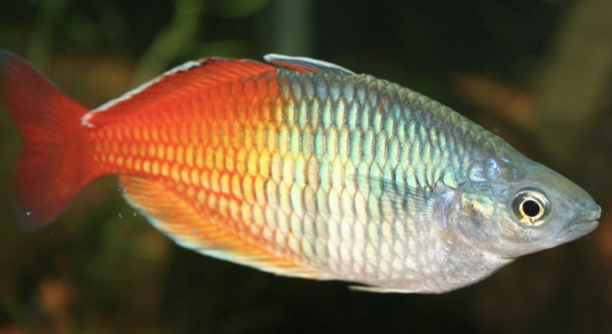
Rainbow fish are a popular choice for aquarium enthusiasts due to their vibrant colors and playful nature. They are often kept in tanks with specific feeding schedules to maintain their health and well-being.
Rainbow fish can learn a feeding schedule to some extent, as they develop routines based on consistency. Over time, they can anticipate feeding times, especially when the environment remains stable and predictable, such as through regular feeding intervals.
Understanding how your rainbow fish respond to feeding routines can help ensure they stay healthy and active. A consistent schedule plays a role in maintaining their overall behavior and health.
How Rainbow Fish Respond to Routine
Rainbow fish are known for their ability to adapt to feeding routines. Once you establish a regular feeding time, they begin to recognize the pattern and will often gather around their feeding area when they expect food. This behavior is a result of their memory and conditioning, which allows them to associate certain cues, like light or sound, with feeding time. In many cases, these fish may even get excited or more active right before you feed them. This is why it’s important to be consistent with the time and environment where you feed them.
A predictable feeding schedule can make it easier to manage your rainbow fish’s health. They thrive when given food at the same time every day, reducing stress and maintaining a healthy weight.
Over time, rainbow fish can also associate other environmental changes, such as the presence of certain objects or changes in light, with feeding. For example, if you always feed them when the aquarium lights are turned on, they’ll start expecting food at that time. Consistency in feeding helps maintain a routine that keeps them from feeling anxious or unsettled. Additionally, establishing a feeding routine can make it easier for you to monitor their eating habits and ensure they are receiving the correct amount of food.
Benefits of a Consistent Feeding Schedule
Consistency is key when it comes to feeding your rainbow fish. A predictable schedule helps them stay healthy.
Feeding them at the same time each day ensures that they know when to expect food, which can promote better digestion and overall health. Regular feeding also helps maintain stable water quality in the aquarium, as uneaten food can pollute the water and cause harm to the fish. In addition to helping the fish adapt, it provides you with a way to monitor any changes in their eating habits. If your rainbow fish begin eating less or more than usual, it could indicate health issues that need attention.
Impact of Overfeeding
Overfeeding rainbow fish can lead to health problems. If you give them too much food, leftover pieces can pollute the water, affecting the tank’s environment. This can also cause obesity in fish, making them more susceptible to diseases.
Fish tend to eat as long as food is available, but it’s important to regulate the portions. If overfed, rainbow fish may develop fatty liver disease or swim bladder issues. The best way to avoid this is to give them only as much as they can consume in a few minutes. Any excess should be removed to prevent water contamination. Overfeeding not only harms their health but also disrupts the water balance, which can affect the entire tank’s ecosystem.
It’s easy to feel tempted to give your rainbow fish more food, especially if they seem excited during feeding time. However, stick to the correct portion sizes. Over time, your fish will adjust to the schedule and portion size, which helps them maintain their weight and keeps your aquarium cleaner. This way, you can keep both the fish and tank in better condition.
Effects of Underfeeding
Underfeeding can be just as harmful as overfeeding. Rainbow fish need enough nutrients to stay active and healthy. If they don’t get the proper amount of food, they may become weak, stressed, or more prone to illness.
Not feeding them enough can lead to malnutrition. As active fish, rainbow fish require a balanced diet with the right amounts of protein, fat, and other essential nutrients. If their diet is lacking, they won’t have the energy they need to stay active or maintain healthy body functions. In addition, poor nutrition can lower their immune system, making it easier for them to get sick. Be sure to monitor their food intake and adjust as needed, especially if you notice changes in behavior or appearance. Keeping a consistent, adequate feeding schedule ensures they get all the nutrients they require for a long, healthy life.
Recognizing Healthy Feeding Behavior
Healthy rainbow fish are active and excited during feeding times. They gather near the feeding area, showing interest in the food. Their colors should remain bright, and they should have a healthy appetite. Regular, consistent feeding times can help maintain this positive behavior.
If your rainbow fish eat eagerly and without hesitation, it’s a sign they’re accustomed to their feeding schedule. When they start to swim actively around the tank at feeding time, it indicates that they are learning to expect food. This behavior shows their comfort and recognition of the routine, which is good for their overall well-being. If you notice a decrease in activity or interest at feeding times, it could be a sign of health issues or stress, requiring further attention.
Adjusting the Feeding Schedule
If you need to adjust the feeding schedule, make the changes gradually. Sudden shifts can stress the fish, especially if they’ve already adapted to a specific routine.
Try adjusting the time by small increments, rather than making a sudden change. This helps rainbow fish adjust without feeling unsettled. Be patient and allow time for them to adapt. If the new schedule still works well for you and your fish, stick with it. Keeping a regular feeding time is essential, but it’s okay to make slight adjustments to suit your lifestyle and the fish’s needs.
FAQ
How often should I feed my rainbow fish?
Rainbow fish should generally be fed once or twice a day, depending on their age and size. For adults, feeding them once a day is typically enough. Younger or smaller fish may require more frequent feeding, up to two times daily. It’s important to avoid overfeeding, as this can lead to water contamination and health issues. If you have a mix of ages in your tank, feeding twice a day might be necessary to ensure that everyone gets enough food. Always observe your fish and adjust the feeding schedule if needed.
Can rainbow fish eat flake food?
Yes, rainbow fish can eat flake food, but it’s important to choose high-quality flakes specifically designed for them. Flake food can be a convenient option for feeding, but it should not be the only source of nutrition. Offering a variety of food, such as frozen or live foods, will help ensure they receive a balanced diet with enough nutrients. Flakes should be used as a supplement rather than a sole food source to maintain the health of your rainbow fish.
What is the best food for rainbow fish?
Rainbow fish thrive on a varied diet, including high-quality flakes, pellets, and frozen foods like brine shrimp, bloodworms, or daphnia. Offering a mix of protein-rich foods along with plant-based options helps meet their nutritional needs. Some rainbow fish also enjoy algae wafers and small invertebrates. It’s important to offer different types of food to keep them healthy and active. Make sure the food is appropriate for the size of the fish to prevent choking or digestive issues.
How do I know if my rainbow fish are getting enough food?
If your rainbow fish are eating eagerly and maintaining bright, vibrant colors, it’s a good sign that they’re getting enough food. Healthy fish will have active behavior and a healthy appetite. You should also observe their body condition – if they are slim but not overly skinny, they’re probably eating well. If the fish seem lethargic or are not eating at all, they may not be getting enough food, or there may be an underlying health issue. Always check that the food is being consumed within a few minutes, and avoid leaving excess food in the tank.
Can rainbow fish survive without live food?
Rainbow fish can survive without live food, but it should not be their only source of nutrition. Live food offers variety and additional nutrients, which are beneficial for their health, but they can thrive on high-quality flake and pellet food. Offering a mix of food types ensures that they are getting all the necessary nutrients for growth and overall health. Live food is a nice supplement, but it’s not essential if the rest of their diet is well-balanced.
How do I prevent my rainbow fish from overeating?
To prevent overfeeding, give only as much food as the fish can eat in 2-3 minutes. Any leftover food should be removed to prevent pollution of the water. It’s also important to avoid feeding them out of habit when they’re not actively showing interest in food. Rainbow fish will eat whatever is given to them, so portion control is key to maintaining their health. Consistency in feeding times and portions also helps them develop a good routine without overindulging.
What should I do if my rainbow fish aren’t eating?
If your rainbow fish aren’t eating, check the water quality and temperature first, as poor water conditions can lead to loss of appetite. Make sure the tank is free from toxins or stress factors. If the water parameters are correct and the fish are still not eating, it might be a sign of illness or stress. Sometimes, changing the type of food or introducing live food can stimulate their appetite. If the problem persists, consulting with a vet or experienced aquarium keeper is recommended.
How can I tell if my rainbow fish are stressed?
Stress in rainbow fish can manifest in several ways. They may become lethargic, swim erratically, or hide more often than usual. Stress can also cause them to lose their vibrant colors, as healthy rainbow fish typically have bright hues. If there is a sudden change in behavior or appearance, check the water conditions and ensure the tank is not overcrowded. Aggressive tankmates or sudden environmental changes can also cause stress. Keeping the aquarium environment stable and providing proper care will help reduce stress in your rainbow fish.
Can rainbow fish be kept with other species?
Rainbow fish are generally peaceful and can be kept with many other species, including tetras, corydoras, and other community fish. However, it’s important to avoid aggressive or overly territorial fish, as they may cause stress or harm to the rainbow fish. Also, be mindful of tank size and make sure that there is enough space for all the fish to swim comfortably. Rainbow fish do best in groups, so it’s ideal to keep them in schools to reduce stress and encourage natural behavior.
How do I make sure my rainbow fish are getting enough oxygen?
Rainbow fish require good oxygen levels to thrive. To ensure this, keep your tank well-aerated, using an air pump or a filter with good water circulation. The oxygen levels in the tank should be checked regularly, especially in larger tanks or tanks with a lot of fish. Proper filtration and surface agitation also help oxygenate the water. If you notice the fish swimming near the surface or gasping for air, it may be a sign of low oxygen levels or poor water quality.
Final Thoughts
Establishing a consistent feeding schedule for rainbow fish is an important aspect of their care. By feeding them at regular times each day, you help them learn when to expect food, which can lead to healthier and happier fish. Consistency not only benefits the fish’s health but also helps maintain a cleaner aquarium environment, as it reduces the likelihood of overfeeding and water contamination. A predictable feeding routine makes it easier to manage the tank’s overall condition and ensures the fish get the right amount of food.
However, it’s crucial to pay attention to the specific needs of your rainbow fish. Factors like their size, age, and the types of food being offered can all affect how much and how often they should be fed. While some rainbow fish may thrive on one meal per day, others might need two. It’s also important to monitor their behavior and appearance to ensure they’re eating well and not under or overfed. If your fish are more active and their colors are vibrant, it’s likely they’re getting the right amount of food. If they’re lethargic or losing color, you might need to adjust their feeding schedule or check water conditions.
Taking care of rainbow fish means being aware of their behavior and adjusting their routine as necessary. A healthy feeding schedule plays a big role in their overall well-being. It’s a simple yet effective way to provide them with the best care possible, leading to longer, happier lives. By sticking to a regular feeding time and offering a variety of foods, you’ll create a positive environment for both your fish and your aquarium. Whether you’re new to fishkeeping or experienced, setting up a feeding routine is a key part of maintaining a balanced and thriving tank.

Hello,
If you enjoy the content that we create, please consider saying a "Thank You!" by leaving a tip.
Every little bit helps us continue crafting quality advice that supports the health, happiness, and well-being of pets around the world, for pets of all shapes, sizes, and species.
We really appreciate the kindness and support that you show us!