
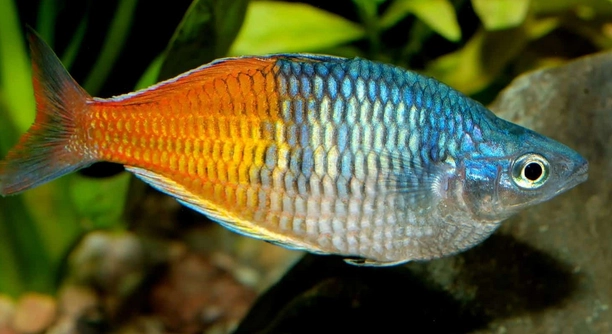
Do you ever find yourself watching your rainbow fish swim alone while the others group together in the tank?
Rainbow fish often avoid others due to stress, illness, or poor tank conditions. Inadequate water quality, overcrowding, or aggression from other fish can lead to isolation and unusual behavior.
Understanding the causes behind your fish’s behavior will help you make the right changes and support its well-being in the tank.
Common Reasons Your Rainbow Fish Is Keeping to Itself
Rainbow fish are usually active and social, so when one starts to keep to itself, something is likely off. A common cause is stress, which can come from sudden changes in the environment like temperature swings or noisy surroundings. Illness is another reason. Internal parasites, infections, or physical injuries can cause the fish to avoid others. Aggressive tank mates can also be a problem. If the fish feels threatened, it may hide to avoid getting hurt. Poor water quality is another major factor. Ammonia spikes, high nitrates, or incorrect pH can all stress your fish out. Overcrowding or too little hiding space may also make your fish feel unsafe. It’s important to look at your setup and behavior patterns to find out what might be wrong. Once the cause is clear, you can begin to adjust the conditions to support healthier behavior.
Look for physical signs like clamped fins, loss of color, or poor appetite.
Sometimes a fish that has been added recently needs more time to adjust. Give it a few days and observe carefully. It might not feel comfortable right away, especially if it came from a different environment. Also, make sure your lighting and water movement aren’t too intense.
How to Help Your Rainbow Fish Reconnect
Start with a water test.
If your rainbow fish is staying away from the group, one of the first things you should do is check the water parameters. Make sure the ammonia and nitrite levels are at zero, and keep nitrates low. The pH should be stable and suitable for rainbow fish, usually between 6.5 and 7.5. Once the water quality is confirmed, look at your tank layout. Provide plants or decorations that offer hiding spaces without overcrowding the swimming area. This helps shy fish feel secure while encouraging exploration. If aggression is the issue, observe how the other fish behave. Separate any that are chasing or fin-nipping. Feeding can also be a factor—make sure each fish is getting enough food, and try feeding in multiple spots to reduce tension. Lastly, consider the tank size. Rainbow fish need space to move around comfortably. A small or crowded tank can add unnecessary stress, so more space might help improve things.
Signs Your Rainbow Fish Might Be Stressed or Sick
Watch for signs like fading color, lack of appetite, or clamped fins. These usually mean something is wrong. Hiding more than usual, shaking, or erratic swimming can also point to stress or illness in your rainbow fish.
Stress often builds up quietly. If your fish is breathing heavily near the surface or swimming in place, it could be reacting to poor oxygen levels or chemical imbalances in the water. Flashing—rubbing its body against objects—can be a sign of parasites or irritation. Injuries like torn fins or white patches might mean it has been bullied or is fighting off a bacterial or fungal infection. Behavior changes are usually the first thing you’ll notice, so stay observant and check on them daily. These small clues help catch problems early before they get worse.
Sometimes, stress can come from things you wouldn’t expect. Loud noises near the tank, inconsistent lighting, or even sudden movement in the room can make your fish anxious. If the tank is near a TV or speakers, vibrations might be bothering them. Also, check if the filter is too strong—constant water flow can wear out smaller fish. Soft lighting and consistent daily routines can make a big difference in helping them calm down.
When to Consider Separating or Rehoming
If one fish keeps chasing or nipping at others, it might be time to separate them. Constant aggression can lead to stress, illness, or even injury. Watch the tank dynamics over a few days before deciding to make a change.
In some setups, certain fish just don’t get along. If you’ve tried everything—adjusting water conditions, rearranging decorations, and even increasing the tank size—but bullying or stress continues, it may be best to rehome the aggressive or isolated fish. Look for a peaceful tank setup or a new home with compatible species. Not all fish will thrive in the same environment, and forcing them to stay can do more harm than good. It’s okay to admit that your tank isn’t the right fit for every fish. Prioritizing their well-being is the most important thing, even if it means letting one go to a more suitable place.
Simple Changes That Can Make a Big Difference
Try dimming the lights slightly or adding floating plants to create gentle shade. A calmer environment can help your rainbow fish feel safer and reduce stress.
Add more hiding spots using rocks, driftwood, or leafy plants. These give your fish places to retreat when they feel overwhelmed.
How Feeding Habits Can Affect Behavior
Feeding time can either calm your tank or stir up tension. If food is dropped in one spot, dominant fish might take over, leaving others hungry and stressed. Spread the food in different areas or use slow-sinking pellets to make sure all your fish get a chance to eat. Feeding too much or too little can also affect behavior. Overfeeding affects water quality, which adds stress. Underfeeding leads to competition and aggression. Keep a regular feeding schedule, and offer high-quality food with a mix of flakes, pellets, and occasional treats like brine shrimp to support overall health and social balance in the tank.
The Role of Tank Mates
Peaceful, similar-sized fish help rainbow fish feel more comfortable and social. Avoid aggressive or much larger species that could create stress or fear.
FAQ
Why is my rainbow fish hiding all of a sudden?
Sudden hiding is usually linked to stress or environmental changes. This might be a result of a new tank mate, a sudden temperature shift, or even loud sounds nearby. Rainbow fish are sensitive to their surroundings. If something in their space changes quickly, they may react by hiding. Check the water parameters, tank temperature, and filter flow. Also, consider if there’s been a recent rearrangement of the tank or any new items added. These changes, even if small, can make your fish feel unsafe. Giving them time and restoring calmness often helps them return to normal.
Can one aggressive fish stress out the whole tank?
Yes, one aggressive fish can make the entire tank uncomfortable. Rainbow fish thrive in peaceful groups, and a bully can disrupt that balance. The others may start hiding, lose their appetite, or act anxious. If the aggression is constant, it can lead to injury and illness due to stress. Watch for signs like chasing, fin-nipping, or cornering. If this continues, it’s often best to isolate the aggressive fish or move it to another tank. Adding more plants or rearranging decorations can sometimes help reduce aggression by breaking up territory lines.
How many rainbow fish should I keep together?
Rainbow fish are schooling fish, which means they feel safer and more confident in groups. The ideal number is at least six of the same species. In smaller groups, they may feel insecure and hide more often. Larger groups help spread out aggression and promote natural behavior. If you only have two or three, consider gradually adding more to reduce anxiety and boost activity. Make sure the tank is large enough to support the added fish—around 20–30 gallons or more is a good starting point for a small school.
What are signs of illness in rainbow fish?
Look for dull or faded colors, clamped fins, a bloated belly, or labored breathing. Other signs include rubbing against objects, staying at the surface, or isolating from the group. White patches, red streaks, or spots could signal infections or parasites. If you notice any of these, test the water first, then consider a quarantine tank for treatment. Early signs are easier to manage, and most illnesses are treatable with quick action. Avoid using medications in the main tank unless necessary, especially if other fish are still healthy.
Should I use a hospital tank?
A hospital or quarantine tank is useful if you suspect illness. It helps protect your other fish from catching anything and gives the sick fish a calm space to heal. Keep it simple—just a heater, filter, and bare bottom for easy cleaning. This setup also makes it easier to dose medications properly. Move the sick fish gently and monitor its condition daily. Keep this tank cycled or ready to use when needed, especially if you regularly introduce new fish to your main tank.
How long should I observe a new fish before adding it to my main tank?
A two-week quarantine is recommended for any new fish. This time allows you to check for illness, parasites, or unusual behavior. Keep the new fish in a separate tank with clean, cycled water and monitor its eating, swimming, and appearance. If the fish stays healthy after two weeks, it’s usually safe to introduce it to your main tank. Skipping quarantine can lead to serious health issues for the whole tank, especially if the new fish brings something contagious.
What water conditions do rainbow fish need to stay healthy?
Rainbow fish prefer stable conditions. Keep the water temperature between 74–78°F (23–26°C), and maintain a pH between 6.5 and 7.5. Ammonia and nitrite levels should always be at zero. Nitrates should stay below 40 ppm. Regular water changes—about 25% weekly—help keep things clean and stable. Use a reliable heater and filter to maintain consistency, and always treat tap water with a conditioner before adding it to the tank. Clean your filter regularly, but avoid washing it in tap water, as that can kill beneficial bacteria.
Can rainbow fish recover from stress?
Yes, rainbow fish can bounce back if the source of stress is removed. Give them a peaceful environment, stable water, good food, and space to swim. If their behavior improves over a few days, it’s a good sign they’re feeling better. Some take longer, especially if they’ve been bullied or sick. Patience helps. Avoid changing too many things at once, and focus on creating a calm and steady routine. Watch for signs of recovery, like more activity, brighter colors, and interest in eating again. If these signs return, your fish is likely on the mend.
Final Thoughts
Caring for rainbow fish is not just about feeding them or keeping their tank clean. It’s also about paying attention to how they act. When one starts avoiding others, it usually means something is wrong. It could be something small like a change in light or something more serious like illness or poor water conditions. These little changes in behavior are the fish’s way of telling you that they need help. Watching closely and responding quickly can stop bigger problems from developing. It’s not always easy to tell what’s going on, but even simple changes can make a big difference.
Each rainbow fish is a little different. Some are more social, while others might be a bit shy. Still, it’s important to notice when something changes in their normal behavior. If your fish was once active and suddenly starts hiding or staying away from the group, it’s worth taking a closer look. Check the water, observe the other fish, and try to remember if anything has changed recently. Sometimes it’s just stress that will pass. Other times, you may need to separate a fish, change the tank setup, or even treat an illness. Keeping things calm and stable helps your fish feel more at ease.
The goal is to create a safe, balanced environment where your rainbow fish can thrive. That includes clean water, the right temperature, a peaceful group, and enough space to swim and explore. Good care takes time and patience, but it’s worth it when you see your fish healthy, colorful, and active. If one of your fish seems off, don’t ignore it. Trust what you see, take small steps to fix the problem, and always keep learning. Fish may not show emotions like people, but their actions speak volumes. When they swim freely, eat well, and stay active, it means they feel safe. That’s when you know you’re doing something right.

Hello,
If you enjoy the content that we create, please consider saying a "Thank You!" by leaving a tip.
Every little bit helps us continue crafting quality advice that supports the health, happiness, and well-being of pets around the world, for pets of all shapes, sizes, and species.
We really appreciate the kindness and support that you show us!